
Innovations in HVAC: How Honeywell Valves are Shaping Energy Efficiency
This article looks at how Honeywell valves are transforming HVAC systems to increase energy efficiency, improve comfort, and reduce environmental impact.
Introduction
In today's environment, where energy conservation and efficiency are more important than ever, the heating, ventilation, and air conditioning (HVAC) business is taking substantial steps toward sustainability. Honeywell, a global pioneer in automation and control systems, is one of the movement's most prominent contributors.
This article looks at how Honeywell valves are transforming HVAC systems to increase energy efficiency, improve comfort, and reduce environmental impact.
Understanding Honeywell Valves
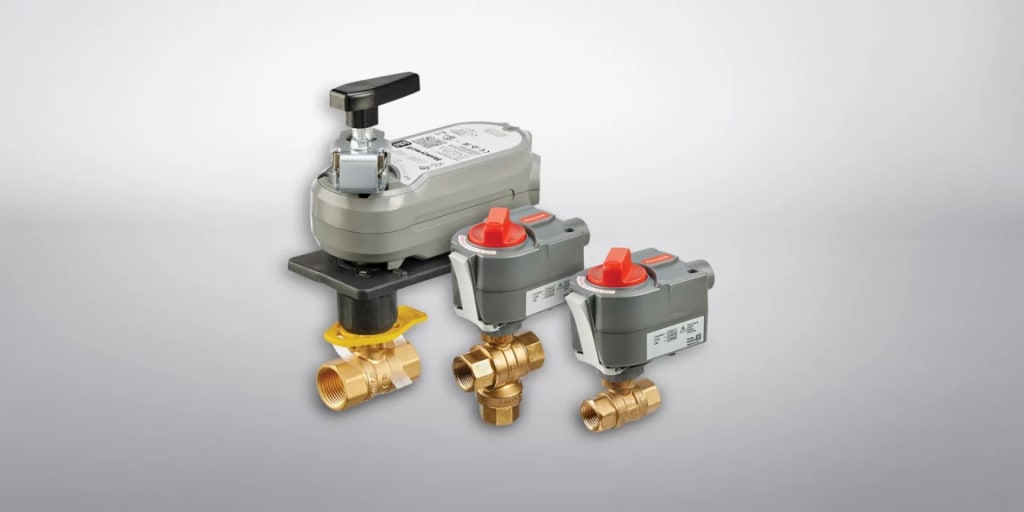
Honeywell valves play an important function in HVAC systems by controlling the flow of fluids like water and air. These valves ensure that heating and cooling systems run smoothly and efficiently by altering flow based on real-time demand. Honeywell provides a variety of valve types, including modulating, zone control, and electronic valves, all designed to improve performance in a variety of applications.
Key Innovations in Honeywell Valves:
1. Smart Technology Integration
One of the most significant developments in Honeywell valves is its integration with smart technology. Honeywell has created valves that can be remotely monitored and operated using smart devices as part of the Internet of Things (IoT). This technology enables building managers and homeowners to change settings in real time, optimizing energy use based on occupancy and environmental conditions.
For example, if a room is empty, the system can close the valves to avoid needless heating or cooling. This feature not only improves energy economy, but also increases occupant comfort.
2. Variable flow control
Honeywell valves include variable flow control, which allows for exact modification of fluid flow. HVAC systems can adjust to changing situations, such as variable temperatures or occupancy levels. The modulating valves allow the system to produce just the proper quantity of heating or cooling at any given time.
This innovation reduces energy waste by removing the need for the system to run at full capacity all of the time. Instead, it makes clever adjustments to maintain the ideal temperature, resulting in cheaper energy bills and a less carbon imprint.
3. Increased durability and reliability
Energy efficiency is more than simply how much energy is utilized; it is also about how well the systems perform over time. Honeywell valves are built to last, using high-quality materials that can withstand wear and tear. This dependability ensures that HVAC systems function properly without frequent breakdowns or maintenance difficulties.
Honeywell valve function effectively in a variety of settings thanks to innovative production methods and thorough testing. This lifespan translates to reduced downtime and fewer repairs, which improves total energy efficiency.
4. Increased Comfort and Indoor Air Quality
Honeywell valves play an important role in ensuring interior comfort and quality. These valves help to eliminate hot or cold areas in buildings by better managing airflow and temperature, resulting in a more constant and comfortable environment.
Furthermore, Honeywell valves can assist maintain ideal humidity levels, which is critical for indoor air quality, by controlling airflow more effectively. Proper humidity control can limit the formation of mold and allergies, resulting in a healthier living or working environment.
5. Energy Management Systems
Honeywell's commitment to energy conservation extends beyond individual valves to include entire energy management solutions. These systems use advanced analytics to track energy use patterns and deliver actionable information. Honeywell valves can help buildings attain higher levels of efficiency.
For example, data collected from smart valves can be used to determine energy usage trends. Building managers can then make informed decisions about HVAC system maintenance, upgrades, and modifications to increase efficiency.
The Future of Energy Efficiency in HVAC
As the demand for energy-efficient solutions grows, Honeywell continues to be at the forefront of HVAC innovation. The use of smart technologies, variable flow control, and robust energy management systems illustrates Honeywell's dedication to creating a more sustainable future.
Incorporating Honeywell valves into HVAC systems not only saves energy, but also makes the indoor environment more comfortable and healthier. As individuals and organizations become more aware of their energy consumption, embracing these innovative solutions will be critical.
Conclusion
To summarize, Honeywell valves are playing an important role in transforming the HVAC sector by increasing energy efficiency. Honeywell is raising the bar for comfort and sustainability with smart technology, variable flow control, durability, and comprehensive energy management solutions. As we seek ways to lessen our environmental impact and promote energy efficiency, Honeywell's technologies will definitely pave the road for a more sustainable future. Embracing these technology benefits not only individual buildings, but also future generations by making the world healthier.
About the Creator
Enjoyed the story? Support the Creator.
Subscribe for free to receive all their stories in your feed.
Comments
There are no comments for this story
Be the first to respond and start the conversation.