
If Renewables Are So Cheap, Why Are Our Bills Still High?
Producing electricity from wind turbines and solar panels is cheaper than ever before. So why are households across Europe seeing record amounts on their electricity bills?


Over the past decade, the levelised cost of solar power has fallen by roughly 90%, while onshore wind is now the cheapest source of electricity. Auction prices for new renewable projects frequently undercut fossil fuel generation. According to the International Renewable Energy Agency (IRENA), approximately 91% of newly commissioned utility-scale renewable capacity produces electricity at a lower cost than the cheapest new fossil fuel alternatives.
Yet for many European consumers, energy bills are still anything but cheap. Germany continues to have some of the continent's highest household electricity prices. In the United Kingdom, soaring energy bills between 2021 and 2023 triggered a cost-of-living crisis severe enough to require government intervention.
If renewable energy is so cheap, why are consumers still paying so much for power?
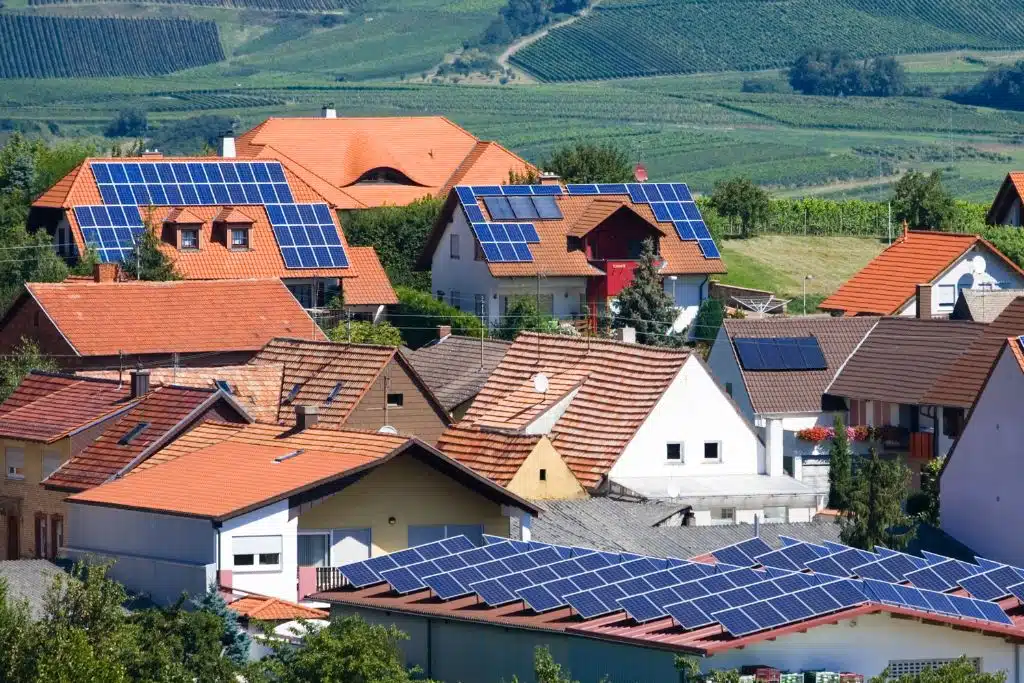
Renewables Are Pushing Wholesale Prices Down
Electricity markets in most countries operate on a "merit order" system: electricity generators are dispatched in order of running cost, from cheapest to most expensive, until supply meets demand. The price at which all electricity trades in any given period is set by the last and most expensive source called upon.
Once a wind turbine or solar farm is built, generating electricity costs very little. Unlike coal and gas plants, there is no fuel to buy. When renewable output is high, these low operating costs push more expensive generators out of the market, bringing wholesale electricity prices what suppliers pay before electricity reaches homes and businesses down with them.
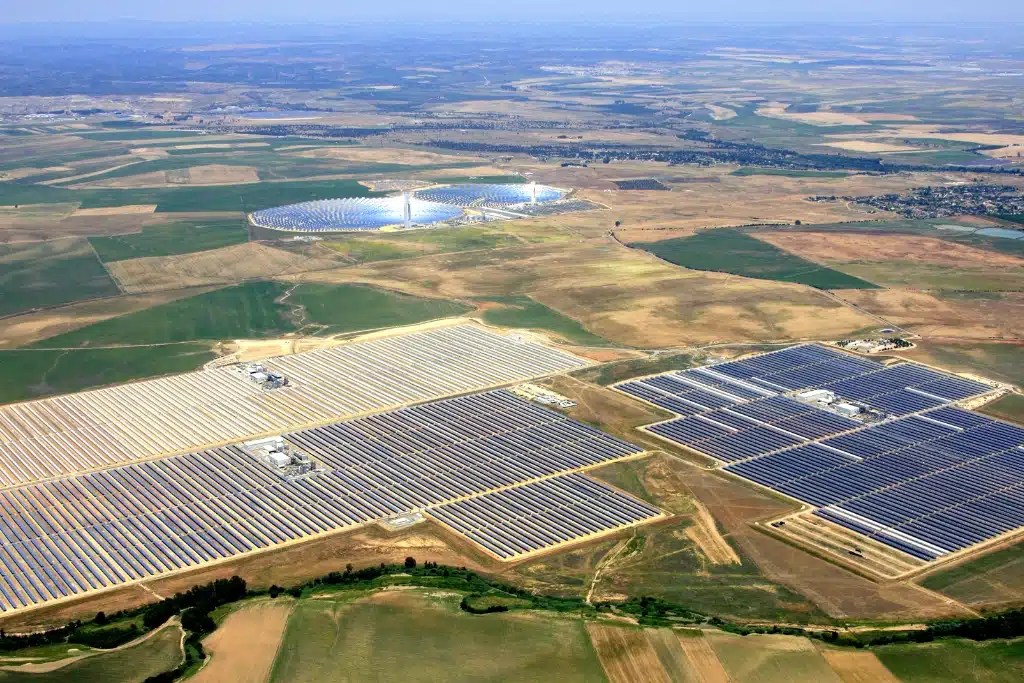
Spain is the clearest example of this. Renewables supplied more than half of the country's electricity in 2025, pushing average wholesale prices to some of the lowest in Western Europe. On the windiest and sunniest days, electricity prices even fell below zero as supply outpaced demand.
So why haven't energy bills fallen as well?
Wholesale Prices Are Not Retail Prices
Most consumers never buy wholesale electricity directly. Instead, they pay for the whole chain:
Electricity generation
Network costs
Taxes
Policy levies
Supplier margins
The ongoing expense of maintaining the grid
In many European countries, generation accounts for less than half of what consumers actually pay.
This is why retail prices can vary greatly even among countries with similar electricity mixes. Germany and Spain both generate a large share of their electricity from renewables, yet German households pay substantially more. Norway, which relies almost entirely on hydropower, has some of the cheapest household electricity prices in Europe, while Denmark's bills remain comparatively high even with its large wind capacity.
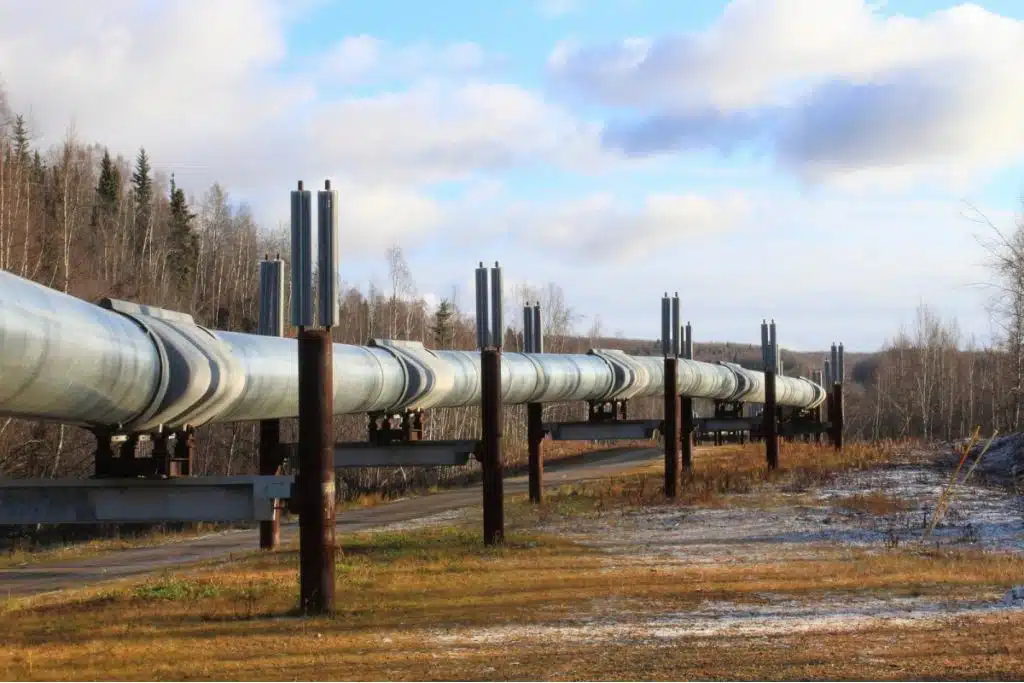
Connecting remote wind farms and solar parks to population centres requires significant investment in new transmission lines and grid upgrades. These are all costs that end up in bills, regardless of how cheap the underlying generation has become. Policy levies, taxes, and the lingering costs of earlier subsidy schemes also vary between countries.
The Gas Problem: When the Marginal Fuel Sets the Price
In much of Europe, the last generator called upon to balance supply and demand is still a gas-fired power station. Under the merit order system, that plant sets the price paid to every other generator on the grid. Even when renewables are supplying most of the electricity, if a gas plant is needed to meet the remaining demand, every wind farm and solar park receives the same price as the gas plant, regardless of how cheaply they generate their power.
This helps explain why gas prices have had such an influence on electricity markets in recent years. During Europe's energy crisis between 2021 and 2023, triggered by the invasion of Ukraine and subsequent reduction in Russian gas exports, soaring gas prices pushed up electricity prices across the continent, including in countries that generated large amounts of power from renewables.
Country Gas Price Influence on Electricity (Jan–Mar 2026)
Spain 15% of hours
Italy 89% of hours
Netherlands 42% of hours
Germany 40% of hours
Source: Ember
The flip side is also true. As countries reduce their reliance on gas, wholesale electricity prices become less exposed to fossil fuel volatility. Spain, once again, is a good case study. According to Ember, gas influenced electricity prices in just 15% of hours between January and March 2026, compared with 89% in Italy, 42% in the Netherlands, and 40% in Germany. Spain's wholesale electricity prices remained well below the European average as a result.
This is the mechanism often missing from debates about renewable energy and electricity costs. Renewables lower prices because they reduce the number of hours in which expensive gas-fired power plants are needed to set the market price.
Yet this exposes a deeper problem: electricity markets were designed for a world where most generators had significant fuel costs. As wind and solar come to dominate, that assumption no longer holds. The debate about whether market rules designed for the fossil fuel era are still fit for purpose is only just beginning.
The Hidden Costs of a Renewable Grid
Another reason why falling generation costs do not always translate into lower electricity bills is that while building turbines and solar panels may be getting cheaper, building the system that supports them remains expensive.
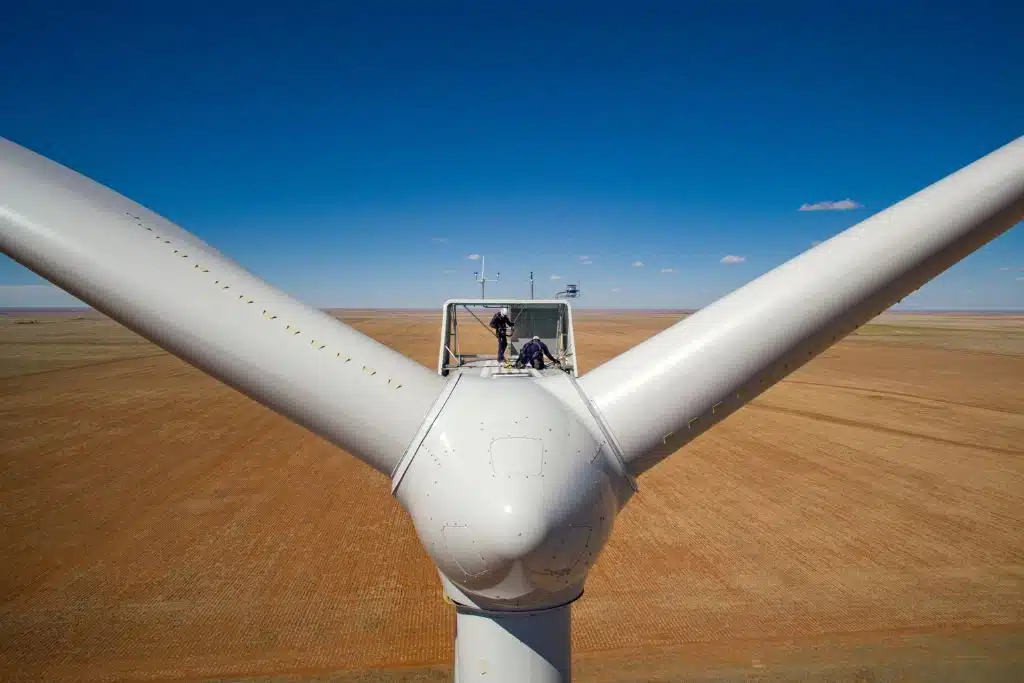
A gas-fired power station can increase output whenever demand rises. Wind turbines and solar panels cannot. They only generate electricity when weather conditions allow. Electricity systems with large renewable shares, therefore, need additional infrastructure to keep supply and demand in balance:
New transmission lines to connect remote generation to population centres
Grid services to manage fluctuations in supply
Storage capacity to hold excess generation and release it when demand peaks
Grid congestion in parts of California and Texas has occasionally forced renewable generators to curtail output, meaning electricity that could have been used simply goes unused because the network cannot transport it where it is needed.
These costs are sometimes cited as evidence that wind and solar are not as cheap as they appear. But many of these costs reflect electricity systems struggling to adapt to a changing energy mix, not an inherent flaw in renewable energy itself.
The Transition's Real Bottleneck
The technology side of the energy transition has, broadly, already been won. Clean electricity is cheap to generate, and getting cheaper. The harder question the one consumers actually care about is whether the systems built to deliver electricity can change fast enough to pass those savings on.
Metric Figure
Grid investment (2026, projected) $550 billion
Battery storage investment (2026, projected) $100 billion
Battery storage installed (2025) 112 GW
Stalled projects in grid connection queues 2,500 GW
Annual grid investment needed by 2030 +50% over current levels
Source: International Energy Agency (IEA)
The infrastructure gap, however, is beginning to close. Grid investment is on track to reach $550 billion in 2026**, up nearly 20% from last year, while investment in battery storage is expected to exceed **$100 billion for the first time, according to the IEA. 112 gigawatts of battery storage capacity were installed worldwide in 2025—10 times the amount built just four years earlier.
Yet the IEA estimates that 2,500 gigawatts of renewable, storage, and large-load projects currently sit stalled in grid connection queues worldwide, not because the technology isn't ready but because the infrastructure to connect it isn't there yet. Annual grid investment will need to increase by approximately 50% by 2030 to meet electricity demand, alongside improvements in grid supply chains and a better-trained workforce to build it.
That means reforming markets designed for a different era, replacing ageing infrastructure, and making decisions about who bears the costs along the way. It also means confronting policy challenges: instead of funding the energy transition, governments continue to disproportionately finance the fossil fuel industry through subsidies. In 2024, they collectively spent $920 billion in direct budgetary transfers and tax breaks supporting fossil fuel production and consumption.
None of these barriers is technical in the way that building a cheaper solar panel is. They are politically complex, which makes it harder.
Renewable energy is undeniably cheap to generate. But cheap generation does not automatically mean cheap electricity bills. The gap between wholesale prices and retail bills is filled by grid infrastructure costs, market design, policy choices, and the lingering influence of fossil fuels on price-setting mechanisms.
Fixing this will require more than just building more wind farms and solar parks. It will require reforming electricity markets, investing in grid infrastructure, and making politically difficult decisions about subsidies and taxes.
The technology is ready. The question is whether the systems and policies can catch up fast enough to pass the savings on to consumers.
About the Creator
Mark Lim
Hi I am mark an automotive student and a car, tech and food enthusiast ! Im gonna try and post daily & hope you enjoy what I write and do share my page with people you know. I would gladly appreciate it! Cheers
Enjoyed the story? Support the Creator.
Subscribe for free to receive all their stories in your feed.
Comments
There are no comments for this story
Be the first to respond and start the conversation.