
How to Prevent Your Phone from Overheating in the Car: A Complete Guide to Thermal Safety
How to Prevent Your Phone from Overheating in the Car: A Complete Guide to Thermal Safety

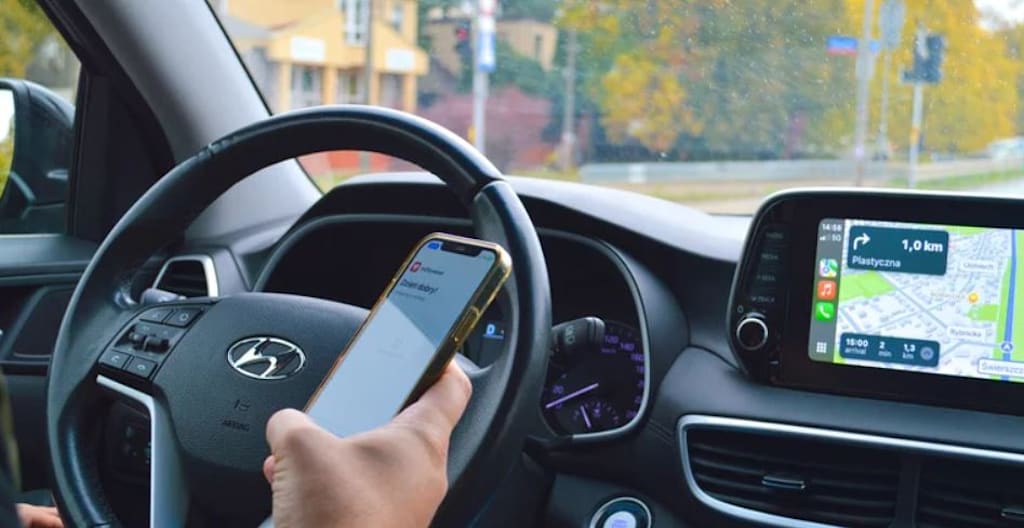
Few things are more alarming than reaching for your phone after a long summer drive and finding it too hot to touch. While often dismissed as a minor inconvenience, an overheating smartphone in a vehicle is a legitimate safety and hardware concern. At best, excessive heat degrades internal components, weakens adhesives (leading to screen or backplate separation), and accelerates battery aging. At worst, it can trigger thermal runaway, a catastrophic failure where the battery enters an uncontrolled exothermic reaction, potentially causing swelling (“spicy pillows”), fire, or explosion. Cars, essentially metal boxes exposed to direct solar radiation, create ideal conditions for such failures. Understanding how phones generate and dissipate heat is key to preventing disaster. Effective prevention falls into two categories: managing the external environment and reducing internal heat generation.
Cooling Your Phone Externally
The most pervasive mistake is mounting your phone on the dashboard in direct sunlight. Windshields act as magnifying lenses, turning dash surfaces into griddles that easily exceed 150°F (65°C) on sunny days. When combined with simultaneous charging, this creates a perfect storm for overheating. If navigation requires a mount, avoid charging altogether or position the device in front of an air vent. Directed A/C airflow mimics active cooling systems in laptops, efficiently drawing heat away. However, exercise caution: blasting cold air onto a hot phone in humid conditions risks internal condensation, which can corrode circuits permanently. Use moderate airflow, just sufficient to maintain safe operating temperatures without inducing rapid thermal shock.
Better yet, store your phone out of direct sun when not actively needed. Glove compartments, center consoles, or shaded cup holders offer significantly cooler microclimates. Also, remove protective cases while driving; silicone and plastic act as insulators, trapping heat against the chassis. Most critically, never leave your phone unattended in a parked car. Interior temperatures can soar past 140°F (60°C) within minutes, even with windows cracked. Treat your phone like a pet or child: if you wouldn’t leave them, don’t leave your device. This also deters theft.
Reducing Internal Heat Generation
Smartphones produce substantial heat during operation, especially when multitasking. Charging is a primary culprit; wireless charging generates significantly more waste heat than wired due to energy loss during induction. Combining wireless charging with GPS navigation, high screen brightness, and cellular data in a hot car virtually guarantees thermal stress. To mitigate this, disable nonessential functions: turn off Wi-Fi/Bluetooth when unused, lower screen brightness to minimum usable levels, and avoid CPU-intensive tasks like gaming or video editing while driving. For familiar routes, consider audio-only navigation to eliminate screen-on time entirely.
If your phone begins overheating mid-drive, act immediately: power it down completely and move it to a cool, shaded area. Do not attempt to “cool it faster” with ice or refrigerants; this risks condensation damage. Allow passive dissipation at room temperature. Persistent overheating despite precautions may indicate battery degradation or hardware fault; seek professional inspection before further use.
Why This Matters Beyond Convenience
Modern smartphones lack active cooling; they rely entirely on passive heat spreaders and chassis conduction. Automotive environments routinely exceed their designed thermal envelopes. Manufacturers test devices under controlled lab conditions—not real-world scenarios involving MagSafe pads baking on sun-drenched dashboards. User behavior bridges this gap. By aligning habits with thermal physics, you extend device lifespan and eliminate preventable hazards.
Ultimately, phone safety in cars isn’t about avoiding use; it’s about intelligent adaptation. Mount thoughtfully, charge judiciously, and respect environmental limits. Your smartphone is a powerful tool, but it remains bound by the laws of thermodynamics. In the confined, sun-exposed ecosystem of a vehicle, those laws demand respect. A few mindful adjustments ensure your device serves you reliably, safely, and without becoming an unintended science experiment in thermal failure. Stay cool, stay safe, and keep your tech intact for every mile ahead.
About the Creator
Mark Lim
Hi I am mark an automotive student and a car, tech and food enthusiast ! Im gonna try and post daily & hope you enjoy what I write and do share my page with people you know. I would gladly appreciate it! Cheers
Enjoyed the story? Support the Creator.
Subscribe for free to receive all their stories in your feed.
Comments
There are no comments for this story
Be the first to respond and start the conversation.