
How to Preserve Multiple Data While Converting OST Files to PST Format
Learn effective methods to preserve multiple data types, including emails, contacts, and attachments, while converting OST files to PST format. Ensure a smooth transition with our step-by-step guide.

Outlook data files (OST and PST) locally on your storage for varying uses, including offline access and archives, store Outlook user's mailbox data including emails, calendar items, and tasks. Working with IMAP, Exchange, or Microsoft 365 accounts, store a synchronized copy of user data using the Offline Storage Table (OST) to guarantee offline availability. Conversely, Personal Storage Table (PST) stores Outlook mailbox data as well as handles POP3 accounts. Unlike OST files, PST files are portable files used for backup, archiving, and data movement, though. This article will go over the circumstances whereby a user might have to translate OST into a PST file with all attachments and offer simple ways to do it.
Contextual Where You Might Need to Convert OST to PST Format Including All Attachments
The following are the situations whereby you might find it required to translate an OST file into a PST file:
- Reaching maximum size causes an OST file to become vulnerable to corruption and mistakes. In such a case, you may have to relocate your mailbox items to an archive PST to shrink the OST file size.
- Orphaned OST: The OST file linked to your email account becomes orphaned should your email account be deleted or disabled from the Exchange server.
- You could have to translate it into a PST file and import your mailbox items into Outlook since you cannot directly extract data from an OST file. Outlook.
- Under some circumstances, you might have to maintain a portable PST file as a backup to your significant mailbox data.
- Should your mail server fail, you lose access to your Outlook mailbox since the OST file becomes unavailability. In such a case, you could have to access your mailbox data by doing OST to PST conversion.
- Data migration: Under some circumstances, you could have to move mailbox data from one account to another. To proceed with the migration, you will have to translate your OST file into a PST file since it is linked to only one account and cannot be imported straight to another account.
Methods for Converting OST Files to PST Format
One can create a PST file from an OST file in several ways. These constitute:
01: Drag And Drop Emails To A Fresh PST file.
When you have to transfer a small quantity of files from your mailbox to a PST file, this approach is better. You will need to create a fresh PST from Outlook, then drag and drop each email one by one into the PST. These detailed directions will help you to accomplish this:
See Home > New Items > More Items > Outlook Data File.
- Choose a spot for the new PST file in the Create or Open Outlook Data File window, type a file name, and then click OK.
- Outlook will now show a blank PST file in its Navigation Bar.
- Start with the first email now and drag and drop each email separately to this PST file. Besides, using folders in this PST file will help you sort your emails.
If you want to move a lot of emails, this approach can be time-consuming, even if it is basic and easy to use for moving individual emails. Moreover, this approach fails in cases of orphaning of the OST file.
02: Apply Import And Export Wizard
Use the Import/Export Wizard on Outlook to replicate the OST file of your account in the form of a PST file if you can access your Outlook mailbox and the mail server is active. Here's how you do it:
- Starting at Outlook's main screen's top left corner, work to File > Open and Export.
- Choose Import or Export to launch the Export and Import Wizard.
- Choose Export to a file option in the wizard, then click next.
- Click next once you have Outlook Data File (.pst).
- Choose your profile name on the top of the folder list now, check Include subfolders, and then click next to export the entire mailbox. If you wish to move limited data to the new PST file, you could instead choose individual folders in your mailbox.
- Click Browse to choose the PST file location; click a suitable option from Options; then, click Finish.
You will have a choice to password-protect your PST after clicking Finish. Put a password or just click OK. This will start the mailbox data exporting and produce the new PST file.
The new PST file will be a replica of the OST linked with your Outlook account with all the attachments once the process ends.
03: Outlook Archive Capacity
As a workaround, Outlook's archive option—which helps to shrink PST—can also be used to move your files from OST to PST. Here's how to accomplish this:
- Open Outlook then select File > Info.
- Go to Clean up Tools > Archive if you run Outlook 2010 and 2013. File > Info > Tools > Clean up past items in Outlook 2016, 2019, and 2021.
- Choose the Archive from the folder and all sub-folder choices. You can choose the folder PST to export from.
- Enter a suitable date range now if you wish to move mailbox data from a particular period into the PST.
- Click Browse to choose a location to save the PST file; subsequently, click OK.
Note: This approach cannot be used to transfer Mailbox items other than emails, including calendar items or tasks, to the PST file.
Simple Steps to Converting OST Files to PST Format
The TrustVare OST to PST Converter Tool is an honest solution letting you solve any issues with your corrupted or inaccessible OST file. Our application preserves all email properties by smoothly turning OST files into Outlook PST format. To make sure none of the data is lost during the conversion process, we developed a tool to efficiently retrieve data from OST files and translate it to PST file format. This utility lets large Exchange OST files be readily converted into the PST file format without installing MS Outlook. We provide a means to convert OST files—accessible, abandoned, corrupted, or otherwise—into PST format.
The application provides a broad spectrum of sophisticated features that enable users to independently turn offline OST data into PST free of assistance. The program can translate from the OST file a broad spectrum of objects including emails, contacts, calendars, events, tasks, and attachments. One can test the free demo version of this OST to PST converter tool before deciding on a purchase of the complete edition. The first few emails from every folder can be freely converted into demos.
Follow the steps
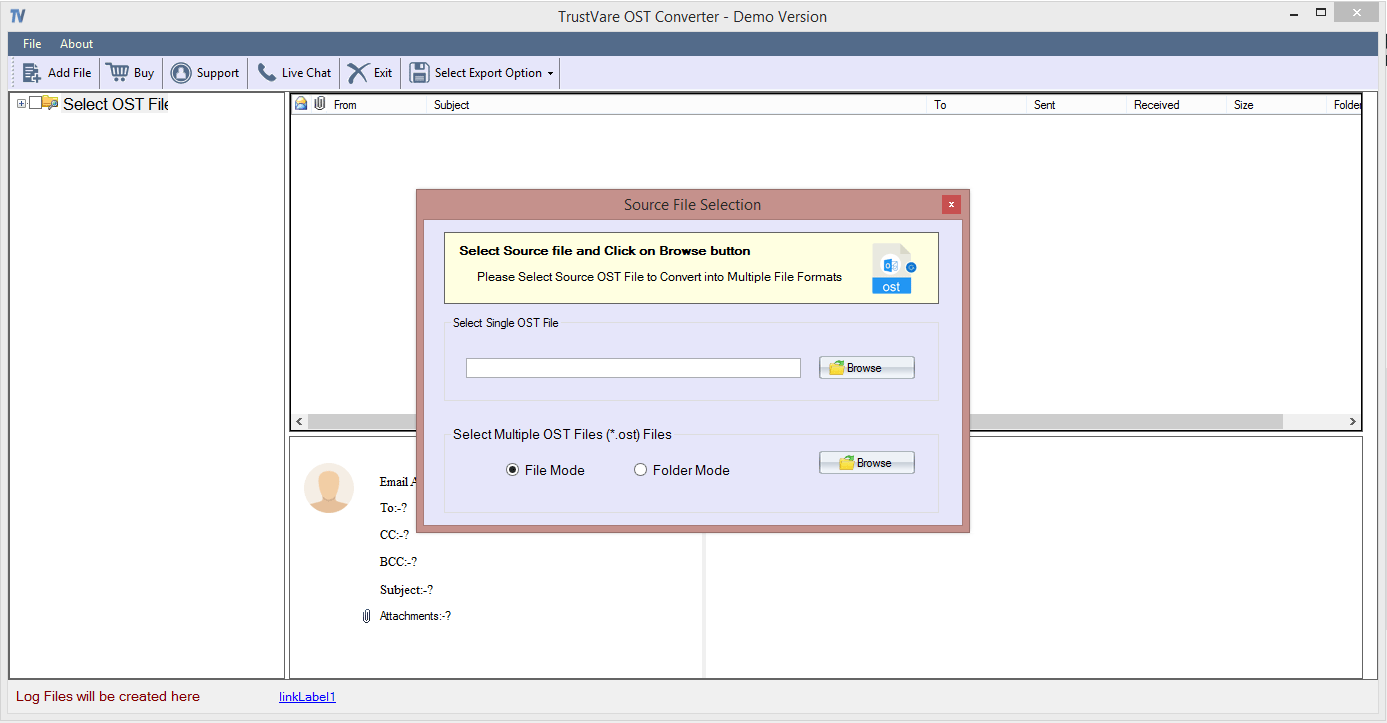
- Download and install the OST to PST converter tool.
- From browsing and choosing an OST file or folder
- Review the preview and choose those files you wish to convert.
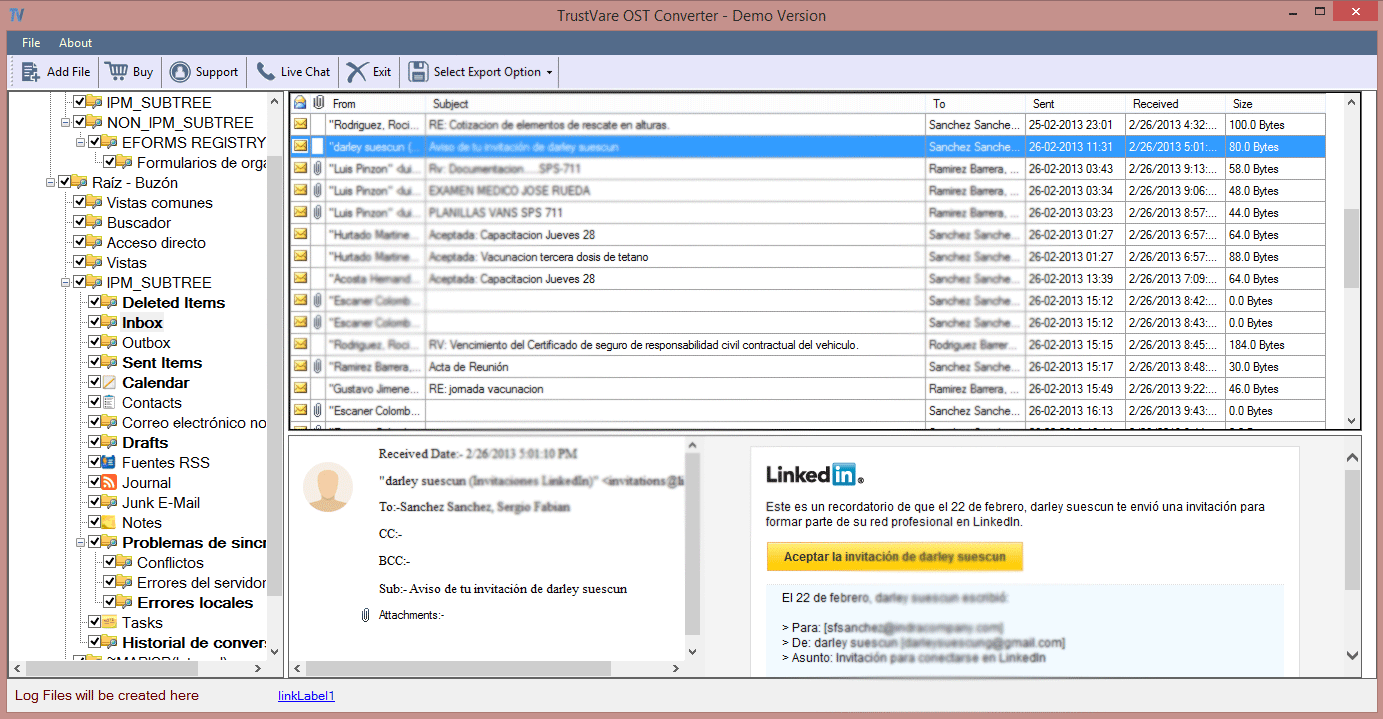
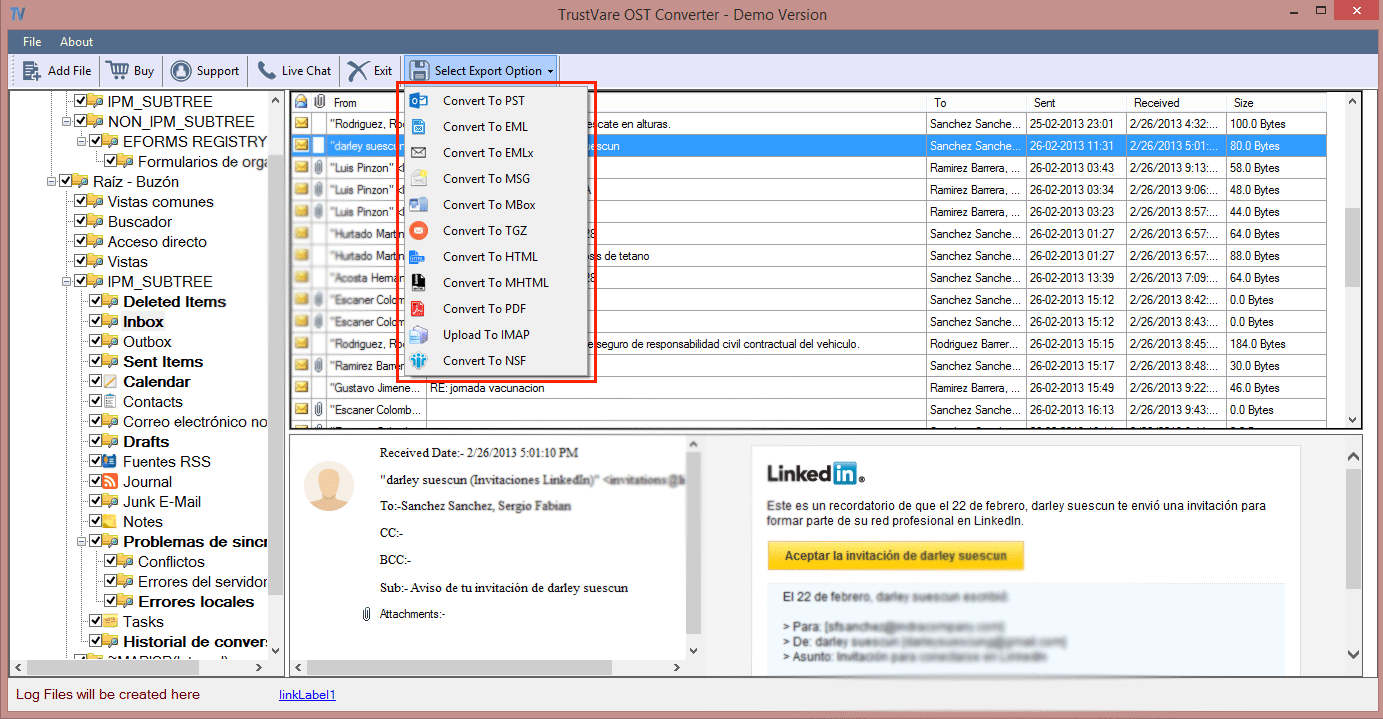
- From the exporting choices, go with PST.
- Select a route or destination to save the PST file
- Hit the Convert Now button.
Finally
An OST file can be transformed into a PST file, including all the attachments, in several ways. Should you have access to your Outlook mailbox, you can export the OST data to a new PST file using both the Outlook Archive tool and the Import/Export Wizard. TrustVare Converter allows you to extract mailbox data from the OST connected to your account, though, should you find yourself without access to your mailbox. Including all the attachments, it can extract mailbox items from an orphaned or inaccessible OST file and create a readily portable PST file.
About the Creator
Kevein Mark
I am a content writer. I like write blogs/ content related to technology.
Enjoyed the story? Support the Creator.
Subscribe for free to receive all their stories in your feed.
Comments
There are no comments for this story
Be the first to respond and start the conversation.