
How to Obtain a Business License in Dubai:
A Comprehensive Guide

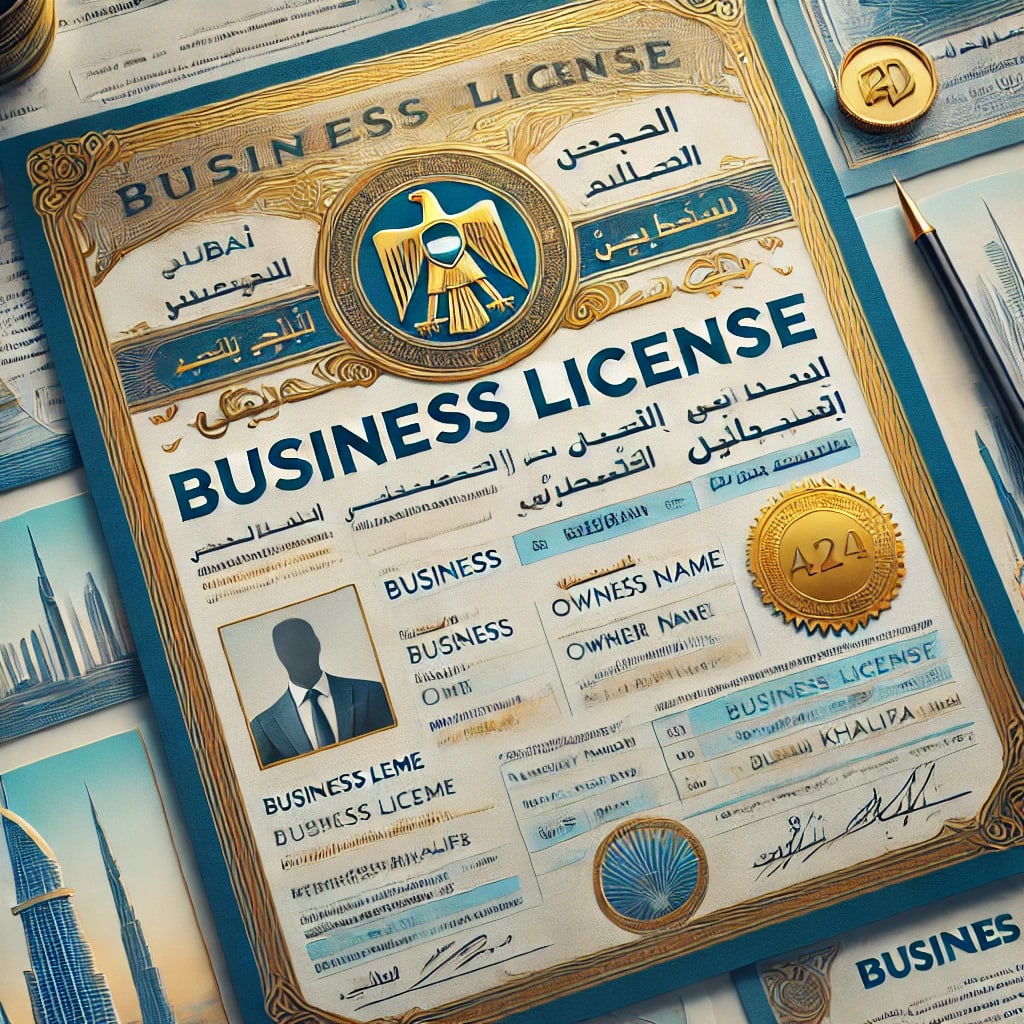
Dubai has established itself as a leading global business hub due to its strategic location, business-friendly environment, and progressive regulatory framework. For entrepreneurs and businesses looking to set up operations in Dubai, obtaining a business license is one of the most crucial steps. Whether you’re planning to launch a startup or expand your international operations, the process for securing a business license in Dubai is straightforward but requires careful planning and adherence to legal guidelines. In this guide, we'll break down the essentials you need to know about obtaining a business license in Dubai.
Why Dubai?
Dubai’s rapid economic growth and diversification make it an ideal location for both small and large businesses. The city is a gateway to the Middle East, Africa, and South Asia, providing access to millions of consumers. Moreover, its tax advantages, state-of-the-art infrastructure, and supportive business ecosystem attract foreign investors and entrepreneurs alike. But before launching a business, you'll need the proper business license to operate legally in Dubai.
Types of Business Licenses in Dubai
There are several types of business licenses available, depending on the nature of your business. The main categories are:
Commercial License
This license is for companies involved in the buying and selling of goods. It covers trading activities such as retail, import/export, and general trading. If you're planning to operate a trading business in Dubai, this is the license for you.
Professional License
A professional license is required for individuals and companies that provide professional services. This includes consultancy, IT services, legal advice, marketing, accounting, and more. Professional licenses are often granted to those who rely on intellectual talent and skills rather than capital or industrial inputs.
Industrial License
Companies involved in manufacturing, production, and any kind of industrial activity will need an industrial license. This applies to businesses that transform raw materials or manufacture products for distribution.
Freelance Permit
Dubai also offers a unique license for freelancers, known as the freelance permit. It is available in free zones and allows individuals to work as freelancers in areas such as media, IT, education, and design.
Free Zone vs. Mainland: Key Differences
When obtaining a business license in Dubai, one of the first decisions you'll need to make is whether to establish your business in a Dubai mainland jurisdiction or a free zone. The choice has a significant impact on the type of license you’ll apply for, the ownership structure, and operational flexibility.
1. Mainland License
A mainland license allows businesses to operate anywhere within the UAE, including Dubai itself. You can conduct business with the local market and government entities. However, mainland companies often require a local sponsor or partner, who holds 51% ownership, though recent changes have relaxed this rule in certain sectors. Mainland companies also have the flexibility to open branches across the UAE.
2. Free Zone License
Free zones are designated areas that offer unique advantages to businesses, such as 100% foreign ownership, tax exemptions, and simplified customs processes. Free zone businesses are not allowed to conduct direct business with the UAE local market unless they go through a local distributor or agent. However, the flexibility and lower costs make free zones attractive for companies focused on export or international operations.
Popular free zones in Dubai include Dubai Multi Commodities Centre (DMCC), Dubai Internet City (DIC), and Jebel Ali Free Zone (JAFZA).
Steps to Obtain a Business License in Dubai
Getting a business license in Dubai involves several steps, but with the right preparation, the process can be efficient.
1. Decide on the Business Activity
Before applying for a license, you need to decide what type of business activities your company will engage in. The Department of Economic Development (DED) in Dubai has a list of permitted activities, and your business license will be based on your choice.
2. Choose the Legal Structure
The legal structure of your business will determine the regulations you need to comply with. In Dubai, you can opt for various legal entities such as a Limited Liability Company (LLC), a sole proprietorship, or a branch of a foreign company. Each has its own requirements, benefits, and limitations.
3. Choose a Business Name
Your company name must adhere to the naming conventions set by the DED. Avoid using religious, political, or offensive terms, and ensure that the name is available and does not conflict with any registered trademarks.
4. Apply for Initial Approval
Once you have chosen your business activity and legal structure, you need to apply for initial approval from the DED. This approval certifies that the government has no objections to your business establishment.
5. Draft a Memorandum of Association (MOA)
For LLCs and partnerships, drafting a Memorandum of Association (MOA) is mandatory. This document outlines the responsibilities, ownership structure, and operations of the company. In mainland companies, the MOA will also specify the shareholding structure between local and foreign partners.
6. Secure Office Space
You’ll need to lease office space in Dubai, as the authorities require a tenancy contract to issue the business license. The space can be a physical office or a flexi-desk, depending on the nature of your business and location.
7. Obtain Approvals from Relevant Authorities
Certain business activities may require additional approvals from external departments. For example, food businesses require approval from Dubai Municipality, while financial firms may need clearance from the Central Bank of the UAE.
8. Submit License Application and Pay Fees
After obtaining all the necessary documents, you’ll submit your application to the DED (or the relevant free zone authority if applicable). You’ll also need to pay the required fees, which vary depending on the type of license and business activity.
9. Receive Your Business License
Once your application is processed and approved, you will receive your business license. This license will allow you to officially start your business operations in Dubai.
Costs Involved in Obtaining a Business License
The cost of obtaining a business license in Dubai varies depending on several factors, such as the business type, the office space you select, and any external approvals required. On average, expect to pay between AED 10,000 to AED 25,000 for a standard license. Free zones may offer packages that include office space and other services, which can be cost-effective.
Conclusion
Setting up a business in Dubai is an attractive proposition for entrepreneurs and established companies alike. The process of obtaining a business license, while systematic, requires attention to detail and adherence to local regulations. Whether you choose to operate in the mainland or a free zone, understanding the legal requirements, costs, and benefits of each option is essential for your success.
Dubai offers a vibrant business landscape, and with the right license, you can tap into the immense opportunities the city provides. Whether you’re offering services, trading goods, or manufacturing, a well-structured business license will set the foundation for a successful venture in this global economic hub.
About the Creator
Yana Pantelic
I'm excited to start my career in Dubai, a dynamic city known for innovation and opportunity. With a passion for growth and excellence, I'm ready to contribute my skills and embrace new challenges in this thriving environment.
Enjoyed the story? Support the Creator.
Subscribe for free to receive all their stories in your feed.
Comments
There are no comments for this story
Be the first to respond and start the conversation.