
How to Know if Your Roof Needs Repair After Installing Solar Panels
Roof Needs Repair After Installing Solar Panels
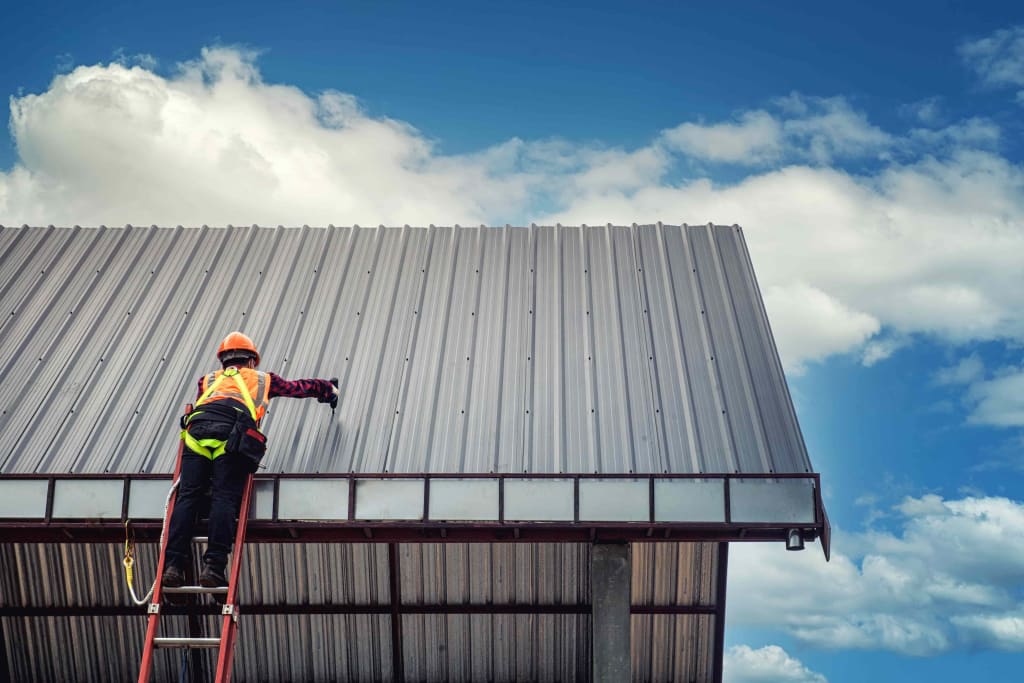
As the world is moving toward more sustainable energy solutions, solar panels have become a popular choice for homeowners looking to lower energy bills and reduce their carbon footprint. However, while solar panels offer many benefits, it is important to keep in mind that the installation process can sometimes impact the integrity of your roof. If you have recently installed solar panels, it is very important to know how to identify issues with your roof that could arise after installation. This roof inspection after installation is very important to root out any issues that could potentially increase over time.
Why Roofs Can Be Affected by Solar Panel Installations
The process of installing solar panels usually involves securing mounts or brackets to your roof to hold the panels in place. To do this, the installer often drills holes through your roof to attach these mounts. While professional installers are trained to minimize damage, the act of penetrating the roof can cause issues if not done correctly. Furthermore, the weight and structure of the solar panels can place additional stress on your roof, especially if it is an older or already compromised surface.
Although these problems do not always arise, it is wise to perform an inspection after installation to make sure the roof remains in good condition. Being proactive about spotting potential issues can save you a lot of money in the long run.
Signs That Your Roof Might Need Repair After Solar Panel Installation
There are a few signs you need to look out for to know if your roof needs to be repaired after the installation of solar panels. They are:
Water Leaks and Stains
Water leaks are one of the most common issues that can be seen after solar panel installation. If water gets through any gaps left around the mounting points or roof penetrations, it can cause significant damage to your home. Look for water stains on your ceilings, especially directly beneath the panels or where the mounting brackets are installed. If you notice any damp spots in your attic or the ceiling below the roof, it may be because of a leak caused by improperly sealed mounting points.
If you suspect a leak, it is important to act quickly, as water exposure can lead to mold growth and more roof damage.
Cracked or Missing Shingles
During installation, solar panel mounts are screwed into the roof, which can disturb shingles. If the installation was not handled carefully, it can cause shingles to crack, lift, or even go missing. Check for any damaged shingles around the areas where the mounts were installed. Shingles that are cracked, curled, or missing can lead to water penetration and reduce the efficiency of your roof’s protection.
In addition, keep an eye out for any debris such as broken shingle fragments around the base of the panels, which can be a sign of damage that needs attention.
Roof Sagging or Structural Damage
Another sign that your roof might need repair is noticeable sagging or dips. The weight of solar panels can be significant, and if your roof is older or has pre-existing issues, it may not be able to support the additional load. Look for areas of your roof that appear to be sagging or dipping. If you notice a significant shift in your roof’s shape, it could indicate underlying structural problems that may have been aggravated by the installation.
If you see any unusual dips or signs of structural weakness, it is important to have a professional roofer assess the situation to make sure your roof can handle the weight of the panels and remain safe.
Visible Damage Around Mounting Points
Take a closer look around the areas where the solar panels are mounted to your roof. Pay attention to the flashing, which is the material used to seal gaps around the mounts, and the sealant applied to prevent water from entering. Over time, the sealant can degrade or crack, especially if it was not applied properly during installation. Check for any visible gaps, loose flashing, or signs of wear that could lead to water infiltration. If the mounting points are improperly sealed, it can cause leaks and further damage to your roof.
What to Do If You Notice These Issues
Here are a few essential steps to address any concerns you might have with your roof after installing solar panels, starting with a roof inspection after installation to identify potential issues and ensure everything is in proper condition.
Schedule a Professional Roof Inspection
If you notice any of the signs mentioned above, it is important to schedule a professional roof inspection as soon as possible. A trained roofing expert will know exactly what to look for and can identify hidden issues that may not be immediately visible. They will be able to assess the damage, provide an estimate for repairs, and guide you on the next steps.
Contact Your Solar Installer
In some cases, the roof damage could have been caused by improper installation. If you suspect that the issue comes from the solar panel installation, do not hesitate to contact your solar installer. Many solar companies offer warranties or guarantees that cover damage caused by their work. If your roof issues are related to the installation, the installer may be responsible for fixing the damage.
Check Warranty Coverage
Before proceeding with repairs, review both your roof’s warranty and the solar panel warranty to see if you are covered for any necessary work. Some roof warranties may be voided if solar panels are installed, while others may offer coverage for repairs caused by installation errors. It is important to understand your coverage before spending money on repairs.
Final Words
While solar panels can improve the energy efficiency of your home, they can also introduce new challenges for your roof. Knowing the signs that indicate your roof may need repair is important to making sure of the well-being of both your roof and your solar panel system. By performing regular inspections and addressing any issues quickly, you can avoid costly repairs and make sure that your home remains protected for years to come.
About the Creator
Enjoyed the story? Support the Creator.
Subscribe for free to receive all their stories in your feed.
Comments
There are no comments for this story
Be the first to respond and start the conversation.