
How to Ensure Safety and Compliance When Buying Electrical Cables
Essential Tips to Help You Choose Safe, Certified, and Compliant Electrical Cables for Every Application

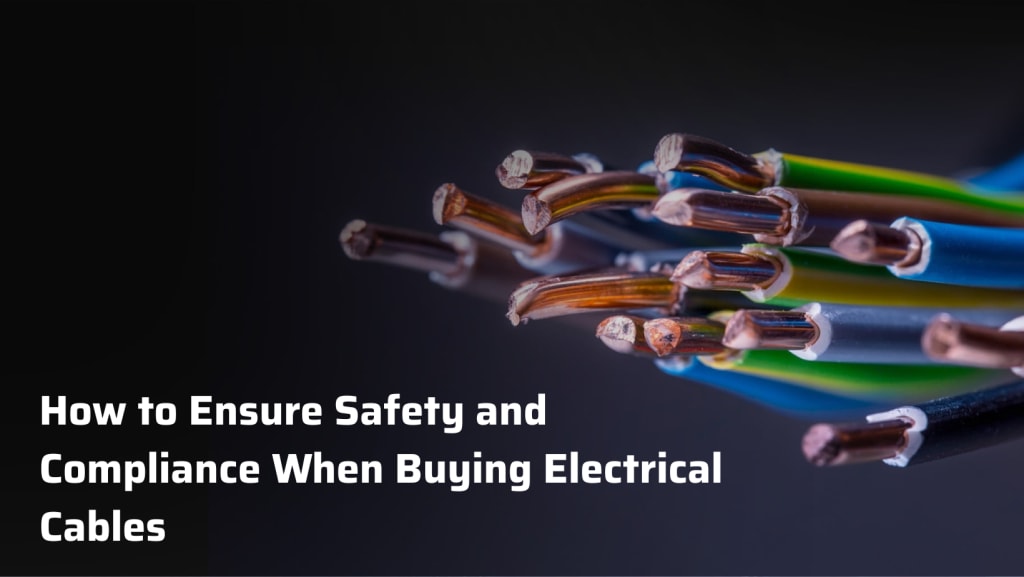
The process of choosing the appropriate electrical wires is crucial and requires great thought. The stakes are enormous because even one poor cable choice can result in disastrous failures, possible fire dangers, and serious safety problems. This in-depth manual will demonstrate how to choose electrical wires in a way that puts safety and compliance first.
Working closely with reliable cable and wire manufacturers ensures you get high-quality products that meet safety standards and regulatory requirements, reducing the risk of electrical hazards.
Knowing the Basics of Safety for Electrical Cables
The Vital Significance of Choosing the Correct Cable
Not every wire is made equally. Not only does the correct cable conduct electricity, but it also ensures optimal performance and protects people and property. Each choice of cable conveys a message about dependability or possible risk.
Interpreting Classifications of Electrical Cables
Electrical cables are far more complicated than they seem. They are designed to satisfy particular safety regulations, electrical loads, and environmental conditions. Every situation, from household installations to industrial manufacturing floors, requires a different wire solution.
Managing Certifications and Industry Standards
Important Regulatory Frameworks to Understand
An essential safety requirement is to comprehend industry standards. Important rules that guarantee cable performance and safety are provided by groups like the National Electrical Code (NEC), Underwriters Laboratories (UL), and the International Electrotechnical Commission (IEC).
Critical Certifications to Look For
- IEC 60227 for flexible cables
- IEC 60245 for rubber-insulated cables
- UL 62 for flexible cords and cables
- RoHS compliance for environmental safety
Interpreting Technical Specifications and Ratings
Technical specifications might seem like a maze of numbers and acronyms, but they’re a roadmap to safety. Voltage ratings, temperature tolerances, and insulation materials aren’t just technical details - they’re the first line of defense against potential electrical failures.
Comprehensive Cable Type Analysis
Matching Cables to Specific Applications
Choosing a cable is similar to picking the appropriate instrument for a specific task. Different wires are needed in industrial settings than in residential ones. When choosing the best cable, variables including mechanical stress, moisture content, ambient temperature, and possible chemical exposure are important considerations.
Cable Type Breakdown
- PVC Cables: Versatile and cost-effective
- Rubber Cables: Excellent for flexible applications
- Silicone Cables: High-temperature resistance
- Polyurethane Cables: Superior mechanical durability
Read Also: Exploring the Different Types of Electrical Cables and Their Uses
Understanding Conductor Materials and Insulation
Copper remains a primary conductor material for most applications, with aluminum finding its place in specific scenarios. The conductor’s purity, cross-sectional area, and the insulation material are critical safety parameters.
Supplier Evaluation and Risk Mitigation
Red Flags and Due Diligence in Supplier Selection
A reputable supplier is crucial. Look beyond price - examine their quality control processes, certifications, and track record. A slightly higher cost can translate to significantly reduced risk.
Documentation and Traceability
Always request comprehensive documentation. Certificates of conformity, test reports, and material traceability aren’t bureaucratic paperwork - they’re insurance against potential failures.
Safety Testing and Quality Assurance
Essential Testing Protocols
Electrical cables undergo rigorous testing protocols that simulate real-world conditions. Voltage withstand tests, insulation resistance measurements, and flame retardancy evaluations are not optional - they’re mandatory for ensuring safety.
Continuous Monitoring and Maintenance
Safety doesn’t end at purchase. Regular inspections, periodic testing, and understanding cable aging mechanisms are crucial. Cables that appear perfectly fine externally might be compromised internally.
Environmental and Sustainability Considerations
Beyond Electrical Performance
Modern cable selection isn’t just about electrical performance - it’s about environmental responsibility. RoHS compliance, recyclability, and reduced environmental impact are increasingly critical considerations.
Long-Term Cost of Ownership
A cheaper cable might seem attractive initially, but the long-term costs of potential failures, replacements, and safety risks far outweigh initial savings. Cable selection should be viewed as an investment in safety and reliability.
Practical Purchasing Recommendations
Comprehensive Checklist for Cable Selection
When purchasing, arm yourself with knowledge. Understand specific requirements, request comprehensive documentation, and never compromise on safety certifications.
Final Thoughts on Cable Safety
Every well-informed choice matters, and safety is a shared adventure. By being aware of the nuances involved in electrical cable selection, one may guarantee peak performance and avert possible disasters.
There are no minor errors in the field of electrical systems—only possible dangers that need to be reduced.
About the Creator
Suyog Electricals Limited
Suyog Electricals Limited is one of India’s leading cable manufacturers, supplying high-quality cables to central and state government projects, as well as private sector companies.
Enjoyed the story? Support the Creator.
Subscribe for free to receive all their stories in your feed.
Comments
There are no comments for this story
Be the first to respond and start the conversation.