
How to Choose the Right Military Sewing Thread for Tactical Gear
A practical guide to understanding thread specifications, material composition, and environmental factors that determine performance and longevity in military and tactical applications.
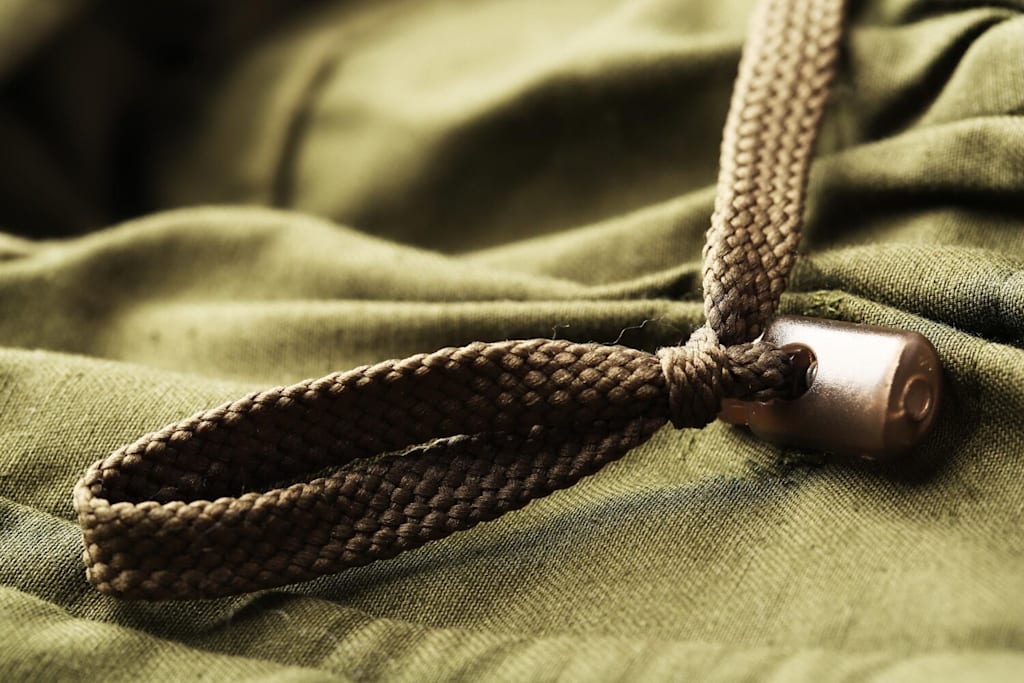
When it comes to tactical gear, most attention goes to the outer materials — the fabrics, the hardware, the construction methods. The thread holding everything together rarely gets the same consideration. That is a mistake. In military and tactical applications, the thread stitching a piece of equipment together is not a minor detail. It is a load-bearing component, and choosing the wrong one can compromise the integrity of gear that operators depend on in genuinely high-stakes situations.
Selecting the right military sewing thread is a decision that requires understanding a specific set of technical criteria — not just grabbing whatever is available and assuming it will hold. This guide covers what those criteria are and how to apply them practically.
Why Thread Specification Matters More Than Most People Realize
The gap in performance between a standard commercial thread and a purpose-built military-grade thread is significant. According to ASTM International standards, high-quality military threads can endure up to fifty percent more stress than standard alternatives before failure. In practical terms, that difference can determine whether a load-bearing strap holds under pressure or gives way at the worst possible moment.
Thread specifications cover several distinct properties, each of which matters in different ways depending on the application. Tensile strength describes how much force a thread can withstand before breaking — the most fundamental measure of whether a thread is suitable for a given load. Abrasion resistance determines how well the thread holds up when subjected to repeated friction, which is particularly relevant for gear that moves constantly against surfaces or other materials during use.
UV resistance is a consideration that is easy to overlook but significant for equipment used outdoors over extended periods. Prolonged sun exposure degrades many synthetic materials, weakening thread over time even when it appears intact from the outside. Quality military-grade threads are formulated to resist this degradation, maintaining strength across seasons of outdoor use.
Chemical and moisture resistance round out the core specification requirements. Gear used in field conditions encounters rain, sweat, cleaning agents, and in some environments, fuel and other chemicals. Thread that absorbs moisture or degrades under chemical exposure introduces a point of failure that is difficult to detect until it becomes a problem.
Material Composition and What It Means in Practice
The three materials that dominate military and tactical thread applications are polyester, nylon, and Kevlar. Each has a distinct performance profile, and the right choice depends on the specific demands of the gear being constructed.
Polyester is the most widely used material in outdoor and military applications for good reason. It combines high tensile strength with excellent resistance to stretching, and its hydrophobic nature — meaning it resists water absorption — makes it particularly well suited to wet environments. Gear used in rain, near water, or in high-humidity conditions will generally perform better with polyester thread than with alternatives that absorb moisture and swell or weaken as a result.
Nylon offers a different balance of properties. Its elasticity is higher than polyester, which makes it better suited to applications where some degree of flex or movement is expected in the stitching. It also has strong abrasion resistance, making it a solid choice for heavy-duty stitching in areas of high wear. The trade-off is that nylon absorbs more moisture than polyester, which can be a disadvantage in consistently wet environments.
Kevlar occupies a specialized position in tactical thread applications. Its tensile strength and heat resistance are exceptional — properties that matter in gear exposed to extreme temperatures or potential fire hazards. Body armor components, fire-resistant clothing, and gear designed for environments where thermal exposure is a genuine risk are the primary applications where Kevlar thread is worth its additional cost. For standard tactical gear without those specific requirements, polyester or nylon typically offers better value.
Environmental Conditions and Long-Term Performance
Tactical gear does not operate in controlled conditions, and the thread used in its construction needs to reflect that reality. Temperature extremes, humidity, saltwater exposure, and UV radiation all affect thread performance over time, and selecting a thread without accounting for the specific environment it will operate in is a shortcut that tends to create problems later.
Maritime and coastal environments present a particular challenge. Saltwater accelerates corrosion and degradation in many materials, and threads that perform well in dry or freshwater conditions may deteriorate significantly faster when exposed to salt. For gear intended for naval, coastal, or amphibious applications, saltwater corrosion resistance should be treated as a non-negotiable specification requirement rather than an optional consideration.
Temperature range is equally important. Thread that maintains its structural integrity across the full range of temperatures a piece of gear is likely to encounter — from extreme cold in high-altitude or arctic environments to intense heat in desert or tropical conditions — is essential for gear that needs to perform reliably regardless of where it is deployed. Thermal cycling, the repeated expansion and contraction that occurs as temperatures rise and fall, places its own stresses on stitching that lower-quality threads may not withstand over time.
For anyone sourcing thread for serious tactical or military applications, working with a supplier that understands these specifications in depth makes a meaningful difference. The right military sewing thread for a given application is one that has been selected against specific performance criteria — not simply the strongest or most expensive option available, but the one whose properties align with the actual demands of the gear and the environment it will operate in.
Making the Right Choice
Thread selection for tactical gear ultimately comes down to matching material properties to application requirements. Polyester for wet or outdoor environments where moisture resistance is the priority. Nylon for applications requiring elasticity and strong abrasion resistance. Kevlar for specialized gear facing extreme heat or ballistic considerations.
Beyond material, the specification criteria that matter most are tensile strength, abrasion resistance, UV stability, and resistance to the specific environmental conditions the gear will face. Verifying these properties against recognized standards — rather than relying on general product descriptions — is what separates thread selection that holds up under operational conditions from thread selection that looks adequate on paper.
Tactical gear is only as reliable as every component that goes into it. The thread is not the most visible part, but in the field, it is often the most tested one.
About the Creator
Enjoyed the story? Support the Creator.
Subscribe for free to receive all their stories in your feed.
Comments
There are no comments for this story
Be the first to respond and start the conversation.