
How to Build White Label Crypto Exchange on Bybit: Cost and Tech Stack in 2026
A Complete Guide to Costs, Technology, and Launch Strategies for Building a Bybit-Based Crypto Exchange in 2026

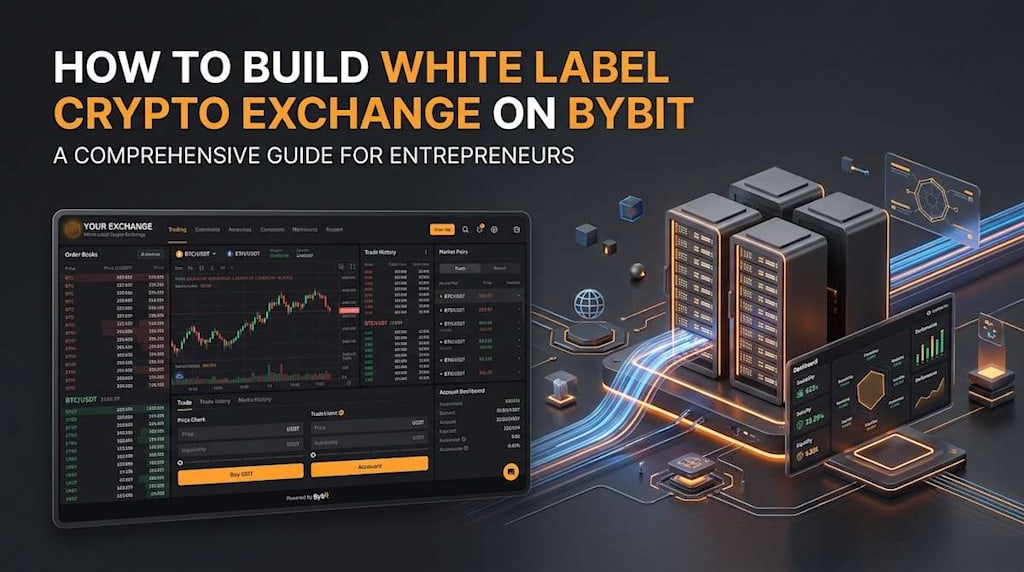
The cryptocurrency exchange industry continues to evolve at an extraordinary pace in 2026. As digital assets become increasingly integrated into mainstream finance, businesses, fintech startups, brokerage firms, and even traditional financial institutions are seeking faster ways to enter the crypto market. Building an exchange from scratch can take years of development and require millions of dollars in investment. As a result, many entrepreneurs are turning toward white-label solutions, particularly those built around established ecosystems like Bybit.
Bybit has emerged as one of the world's leading cryptocurrency exchanges, serving millions of users across numerous markets and offering advanced trading infrastructure, liquidity, derivatives, spot trading, and API connectivity. For businesses looking to launch a crypto exchange quickly and efficiently, leveraging Bybit's infrastructure through a white-label model presents a compelling opportunity.
This article explores how to build a white-label crypto exchange on Bybit in 2026, the technology stack required, estimated costs, and the critical factors businesses should consider before entering this highly competitive market.
Understanding the White-Label Crypto Exchange Model
A white-label crypto exchange is a ready-made trading platform that can be customized and branded according to a company's requirements. Instead of developing an exchange from the ground up, businesses license an existing infrastructure and focus on branding, customer acquisition, and business growth.
A White Label Crypto Exchange Platform provides:
- Pre-built trading engines
- Wallet infrastructure
- User management systems
- Liquidity integrations
- KYC and AML compliance tools
- Security frameworks
- Administrative dashboards
The primary advantage is speed-to-market. A company can launch a fully functional exchange in a few weeks or months instead of spending years developing proprietary technology.
The demand for white-label solutions has grown significantly. According to various industry reports, the global cryptocurrency market is expected to exceed $10 trillion in total market capitalization by the end of the decade, creating enormous opportunities for niche exchanges serving regional markets, specific industries, or institutional customers.
Why Bybit is an Attractive Foundation for White-Label Exchanges
Since its launch, Bybit has built a reputation for high-performance trading infrastructure and deep liquidity. The platform processes billions of dollars in daily trading volume and supports hundreds of digital assets.
Several factors make Bybit particularly attractive for white-label exchange development.
Strong Liquidity
Liquidity remains one of the biggest challenges for new exchanges. Users avoid platforms where spreads are high and order execution is poor. By leveraging Bybit's liquidity pools and API integrations, new exchanges can offer competitive trading experiences from day one.
Advanced Trading Features
Bybit supports:
- Spot trading
- Margin trading
- Futures and perpetual contracts
- Copy trading
- Automated trading systems
- Institutional trading solutions
These features allow new businesses to offer sophisticated products without developing complex infrastructure internally.
Scalable Infrastructure
The platform's matching engine is capable of processing a massive number of transactions per second. This scalability is critical during periods of high market volatility when trading volumes can surge unexpectedly.
Security and Reliability
Building secure exchange infrastructure is both expensive and technically challenging. Bybit's security architecture includes:
- Multi-signature wallets
- Cold storage systems
- Advanced encryption
- Risk management tools
- Real-time monitoring systems
These capabilities significantly reduce operational risks for new entrants.
Key Components of a White-Label Crypto Exchange on Bybit
Launching an exchange involves much more than simply creating a website and connecting APIs. Several technological and operational components must work together seamlessly.
Trading Engine Integration
The trading engine is the heart of any exchange. It handles:
- Order matching
- Trade execution
- Order books
- Market data processing
- Risk calculations
Bybit's API infrastructure allows white-label providers to integrate robust trading functionality without building a proprietary engine.
Liquidity Management
Liquidity determines the quality of user experience. Exchanges connected to Bybit can aggregate liquidity across multiple markets, ensuring tighter spreads and faster order execution.
Wallet Infrastructure
Cryptocurrency custody remains a critical concern. Modern exchanges require:
- Hot wallets
- Cold wallets
- Multi-chain support
- Deposit and withdrawal systems
- Asset management tools
Most white-label providers integrate secure custodial solutions to simplify operations.
- User Management System
- A comprehensive user management system includes:
- Registration and authentication
- KYC verification
- Account management
- Transaction history
- Support ticket systems
- Referral programs
These features directly impact customer retention and user experience.
Compliance Infrastructure
Regulatory scrutiny has intensified globally. Therefore, compliance systems are no longer optional.
Modern exchanges require:
- Know Your Customer (KYC)
- Anti-Money Laundering (AML)
- Transaction monitoring
- Sanctions screening
- Risk scoring systems
Many businesses integrate third-party compliance providers to meet jurisdictional requirements.
The Technology Stack Required in 2026
Building a successful exchange on Bybit requires a modern and scalable technology architecture.
Front-End Technologies
The front-end must provide high performance and real-time responsiveness.
Common technologies include:
- React.js
- Next.js
- TypeScript
- Vue.js
- WebSocket integration
React and Next.js have become industry standards due to their performance and developer ecosystem.
Backend Technologies
The backend handles business logic and API management.
Popular choices include:
- Node.js
- Go (Golang)
- Python
- Java
- Rust
Many exchanges are increasingly adopting Golang because of its exceptional concurrency and efficiency in handling high-frequency trading operations.
Database Infrastructure
Exchanges generate enormous volumes of transactional data.
Common database solutions include:
- PostgreSQL
- MongoDB
- Redis
- Cassandra
Redis is particularly useful for caching and real-time data processing.
- Cloud Infrastructure
- Most exchanges deploy using cloud-native architectures.
- Popular cloud providers include:
- AWS
- Microsoft Azure
- Google Cloud Platform
Containerization technologies such as Docker and Kubernetes have become standard for achieving scalability and high availability.
Blockchain Infrastructure
A modern White Label Crypto Exchange Platform must support multiple blockchain networks.
These often include:
- Bitcoin
- Ethereum
- Solana
- BNB Chain
- Polygon
- Avalanche
Multi-chain support allows exchanges to attract a broader customer base and accommodate emerging digital assets.
Security Technologies
Security remains the single most important investment area.
- Critical technologies include:
- Hardware Security Modules (HSM)
- Multi-factor authentication
- DDoS protection
- Encryption protocols
- SIEM monitoring systems
- Penetration testing tools
The increasing sophistication of cyber threats makes enterprise-grade security essential.
Estimated Cost of Building a White-Label Crypto Exchange on Bybit in 2026
The cost of launching an exchange depends heavily on customization, regulatory requirements, and operational scale.
Basic White-Label Solution
A standard exchange with limited customization may cost:
$20,000 to $50,000
This typically includes:
- Basic branding
- Spot trading
- User management
- Wallet integration
- Standard support
- Mid-Level Exchange Platform
A more advanced exchange generally costs:
$50,000 to $150,000
Features may include:
- Mobile applications
- Staking services
- Advanced analytics
- Multi-language support
- Enhanced security systems
- Liquidity integrations
- Enterprise-Level Exchange
Institutional-grade exchanges can cost:
$200,000 to $500,000 or more
These platforms often include:
- Derivatives trading
- AI-powered risk management
- Institutional custody
- Custom APIs
- Regulatory compliance frameworks
- Dedicated infrastructure
- Additional Operational Costs
Technology development represents only one part of the total investment.
Businesses should also budget for:
Regulatory Licensing
Licensing costs vary significantly by jurisdiction and can range from:
$20,000 to over $500,000
Security Audits
Professional audits generally cost:
$10,000 to $100,000
Marketing and Customer Acquisition
Successful exchanges often allocate substantial budgets to:
- Digital advertising
- Community building
- Influencer campaigns
- Referral programs
- Content marketing
Customer acquisition frequently becomes the largest recurring expense.
Ongoing Maintenance
Annual maintenance costs usually represent:
15% to 25% of the original development budget
These expenses include:
Infrastructure management
- Software updates
- Security monitoring
- Technical support
- Compliance updates
Development Process: Step-by-Step Approach
Step 1: Define the Business Model
Determine whether the exchange will target:
Retail traders
Institutional investors
Specific geographic markets
Niche asset categories
A clearly defined niche often improves market positioning.
Step 2: Choose the White-Label Provider
Evaluate providers based on:
Security standards
API capabilities
Liquidity partnerships
Customization options
Regulatory support
Step 3: Design the User Experience
User experience has become a major competitive differentiator. Exchanges with intuitive interfaces generally experience higher retention rates.
Step 4: Integrate Compliance Systems
Regulatory compliance should be built into the platform from the beginning rather than added later.
Step 5: Conduct Security Testing
Security testing should include:
Penetration testing
Vulnerability assessments
Stress testing
Smart contract audits where applicable
Step 6: Launch and Scale
Successful exchanges continually improve products based on user feedback and market demand.
Real-World Examples of White-Label Exchange Success
Several successful exchanges have demonstrated the viability of the white-label approach.
Regional exchanges in Asia, Africa, and Latin America have leveraged existing liquidity providers and exchange infrastructure to launch platforms tailored to local markets. These businesses focused less on building proprietary technology and more on solving regional challenges such as fiat on-ramps, local payment methods, and regulatory compliance.
This strategy significantly reduced development costs while accelerating market entry.
Many industry experts now believe that the future of cryptocurrency exchanges will increasingly involve modular and white-label architectures rather than fully custom-built systems.
Conclusion
Building a crypto exchange on Bybit through a White Label Crypto Exchange Platform offers a faster and more cost-effective way to enter the digital asset market in 2026. With access to proven trading infrastructure, deep liquidity, and advanced security features, businesses can launch quickly without the challenges of developing an exchange from scratch. However, long-term success depends on regulatory compliance, strong security, and a clear market strategy. As demand for specialized crypto trading platforms grows, a well-executed white-label exchange can provide a strong foundation for sustainable growth in the evolving cryptocurrency industry.
About the Creator
Alexei
A blockchain token development specialist skilled in Solidity and Rust, building secure, compliant, and scalable digital assets, with strong experience in smart contracts, security audits, and DApp integration.
Enjoyed the story? Support the Creator.
Subscribe for free to receive all their stories in your feed.
Comments
There are no comments for this story
Be the first to respond and start the conversation.