
How to Build Predictive Analytics Systems
Discover development of predictive analytics systems. Read about potential challenges, approximate costs, and key features.

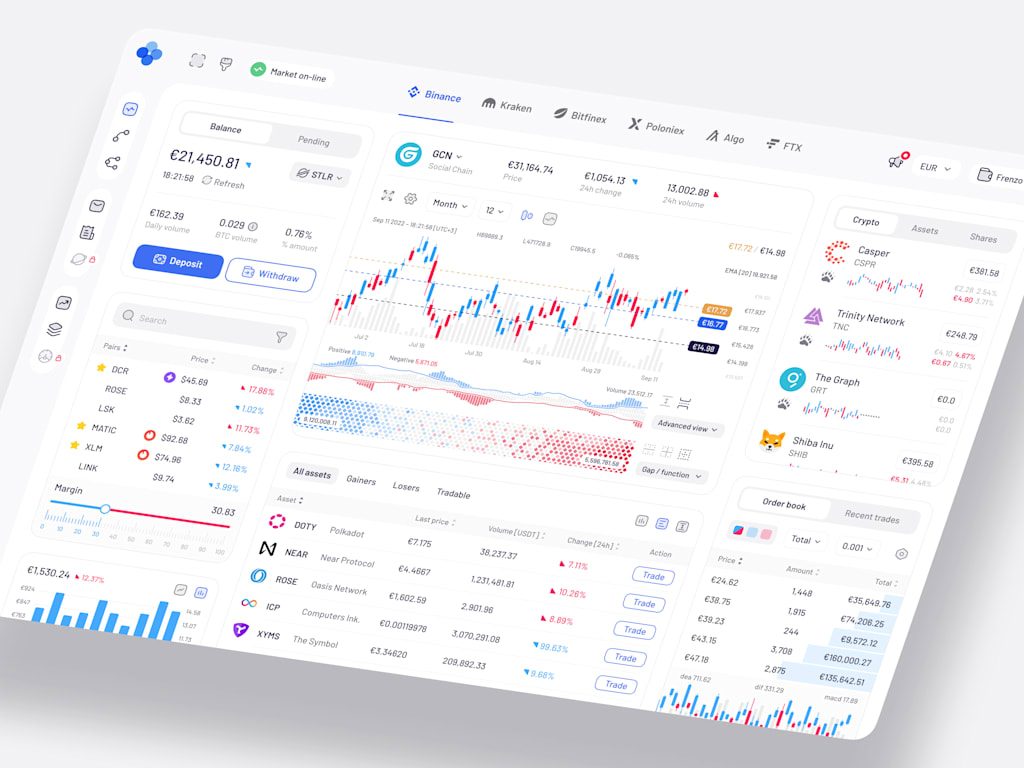
Various departments monitor distinct metrics: sales professionals pursue potential clients, product managers observe user interactions, finance experts monitor income streams, exposure levels, and market fluctuations, while customer service agents log every grievance, bottleneck, and recurring inquiry. The core issue is seldom a lack of information; rather, it is that most available data only illuminates past events.
Predictive analytics shifts the focus from hindsight to foresight. Rather than relying on retrospective monthly summaries, organizations can anticipate upcoming trends. This includes identifying clients at risk of departing, forecasting seasonal demand, spotting emerging financial vulnerabilities, or pinpointing users who require intervention before they disengage.
While this concept appears straightforward in theory, successful implementation demands thoughtful product design. A forecast buried in an ignored spreadsheet offers no value, nor does a dashboard cluttered with ambiguous metrics. Effective systems must seamlessly integrate data sources, analytical models, operational processes, and human decision-making.
Defining Predictive Analytics Systems
These are software solutions that leverage both historical records and real-time inputs to project future scenarios. They may utilize statistical methods, machine learning algorithms, predefined business logic, or a combination of these approaches.
IBM defines predictive analytics as the application of historical data, statistical modeling, data mining techniques, and machine learning to forecast outcomes. While this provides a solid technical foundation, it requires a practical product framework to be truly effective in a corporate environment.
In a business context, such tools should address specific inquiries, such as:
- Who is most likely to cancel their subscription?
- Which financial activities appear suspicious?
- What volume of demand should we prepare for in the coming month?
- Which sales prospects require additional attention?
- Which equipment or infrastructure components are nearing failure?
- Which customers are poised to buy, upgrade their plan, or require assistance?
It is also important to distinguish predictive analytics from related disciplines:
The Four Analytical Categories
- Descriptive Analytics: Reveals what has already occurred.
- Diagnostic Analytics: Clarifies the reasons behind those events.
- Predictive Analytics: Projects what is likely to happen in the future.
- Prescriptive Analytics: Advises on the best course of action to take.
Highly effective platforms often incorporate elements from all four categories. For instance, a comprehensive sales forecasting tool might display previous performance figures, analyze bottlenecks in the sales pipeline, project future revenue, and suggest specific deals that require immediate follow-up.
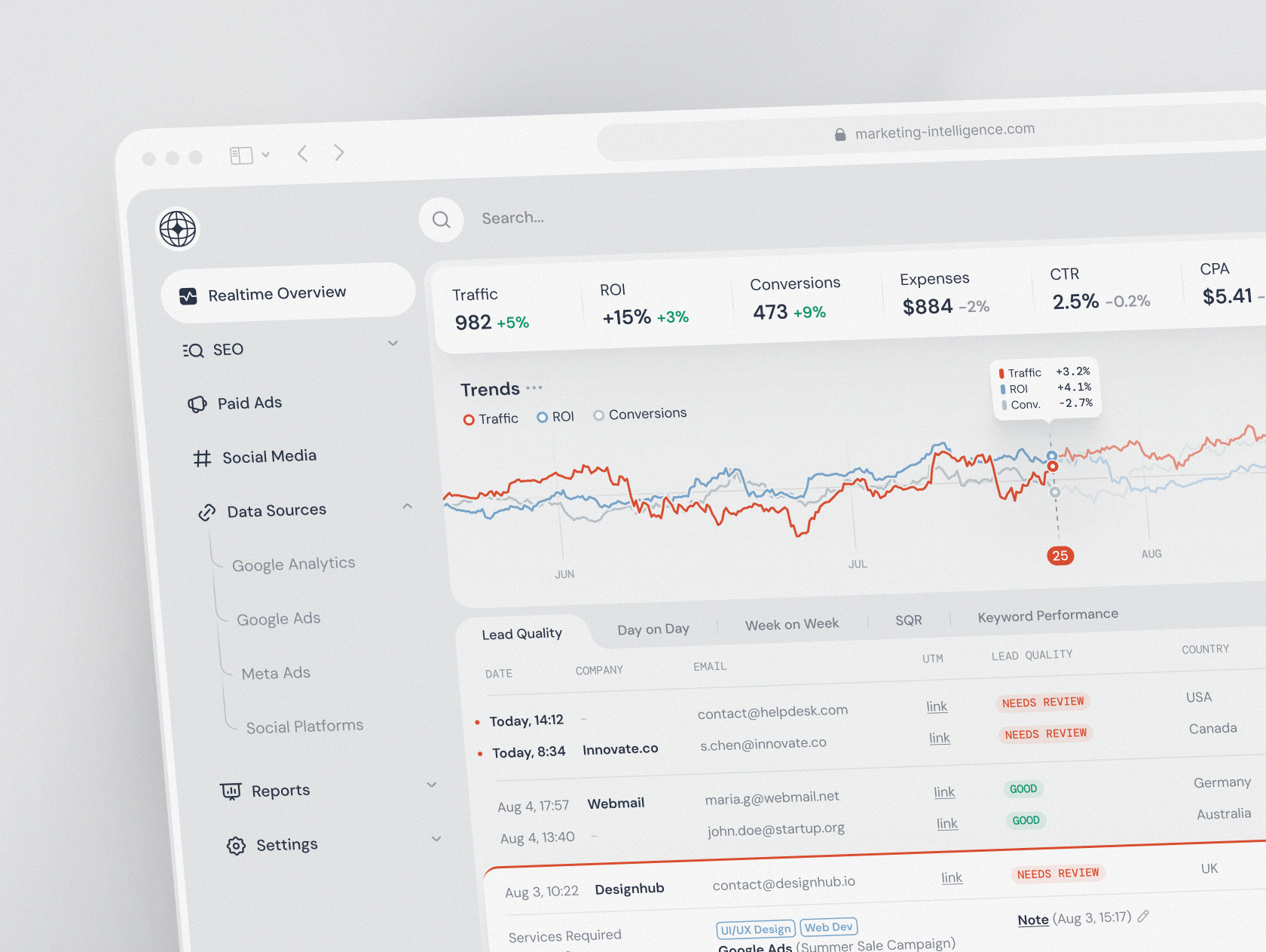
Essential Components of Predictive Analytics Platforms
Building an effective predictive tool requires more than just algorithms and visualizations; it must facilitate the entire journey from raw information to actionable decisions. A robust system typically incorporates the following elements:
Data Ingestion Capabilities
The platform must be able to aggregate information from diverse sources, including customer relationship management (CRM) systems, enterprise resource planning (ERP) software, payment gateways, product usage trackers, spreadsheets, live market data, Internet of Things (IoT) sensors, and internal databases.
Data Preparation and Standardization
Poor-quality input leads to unreliable output. Issues such as duplicate entries, incomplete records, inconsistent terminology, and outdated definitions can silently undermine the accuracy of the entire system. Therefore, rigorous cleaning and normalization processes are essential.
Analytical Modeling Framework
This layer houses the core logic for forecasting, categorizing data, detecting anomalies, scoring risks, or generating recommendations. While some applications require sophisticated machine learning techniques, others may function effectively with basic statistical models or predefined business rules.
Output Generation Engine
The system must translate complex calculations into understandable formats for users, such as probability scores, risk ratings, confidence intervals, ranked lists, or future projections.
Insightful Dashboards
Effective dashboards go beyond simple number displays. They should help users interpret shifts in data, understand the significance of those changes, and identify appropriate next steps.
Proactive Alerting Systems
Timeliness is critical for many predictions. Automated notifications ensure that teams are immediately informed when specific thresholds are crossed, such as a spike in churn risk, suspicious transaction activity, or significant forecast deviations.
Granular Access Controls
Different stakeholders—from executives and analysts to managers and frontline operators—require different levels of detail. Role-based permissions are crucial, particularly in regulated industries like finance, healthcare, and insurance, to ensure data security and relevance.
Transparency and Audit Trails
When predictions influence critical business, operational, or customer-facing decisions, it is vital to maintain a clear record of how those conclusions were reached and when they were updated. Explainability builds trust and ensures accountability.
Seamless Workflow Integration
The most valuable tools embed themselves directly into existing processes. For example, a predicted customer departure could automatically generate a task in a CRM, a fraud alert might initiate a manual review process, or a demand forecast could directly update inventory planning systems.
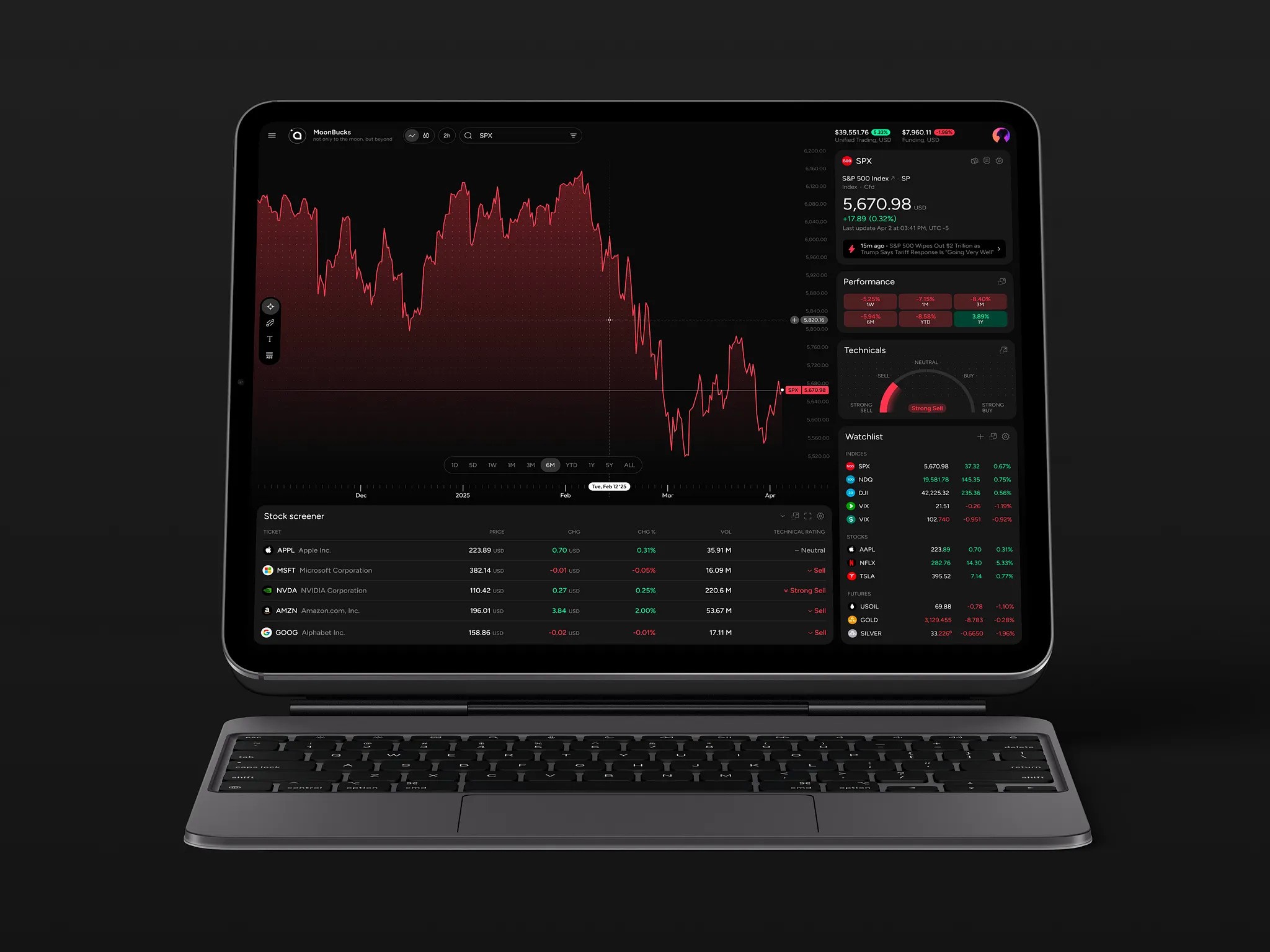
Structural Framework of Predictive Analytics Systems
While specific implementations vary by product, most predictive platforms follow a consistent architectural pattern.
1. Data Ingestion
The process begins with aggregating information from diverse origins. Common inputs include user activity logs, client profiles, transaction records, sales histories, customer support interactions, financial data streams, and operational system logs.
2. Data Processing and Preparation
Once ingested, the raw data undergoes rigorous refinement. This stage involves sanitizing fields, reconciling disparate records, eliminating duplicates, addressing gaps in data, and converting raw inputs into structured features suitable for analytical modeling.
3. Storage Infrastructure
The choice of storage depends heavily on scale and complexity. Options range from data warehouses and lakehouses to relational databases and specialized feature stores. While minimal viable products (MVPs) may utilize simpler configurations, enterprise-grade solutions often find that data architecture constitutes a significant portion of their infrastructure costs.
4. Modeling Core
This layer executes the predictive logic, employing techniques such as time-series forecasting, regression analysis, classification, clustering, anomaly detection, or recommendation engines. Crucially, the system must include mechanisms for regularly retraining models to adapt to evolving data patterns.
5. API and Business Logic Layer
An application programming interface (API) serves as the bridge between the predictive models and external systems or user interfaces. This layer also houses business rules. For instance, while a model might calculate a churn probability, the business logic determines the threshold at which an alert is triggered or a warning is displayed.
6. User Interface (Frontend)
The final layer translates complex analytics into actionable insights for humans. Effective design prioritizes decision-making over data dumping, utilizing tables, visualizations, filters, risk indicators, scenario planners, and reports that guide users toward specific actions.
7. Cross-Cutting Security and Monitoring
Security and oversight are integrated throughout the entire stack rather than added at the end. Given that these systems often process sensitive personal or proprietary business information, robust access controls, encryption, audit logging, and compliance measures are fundamental requirements.
The Critical Role of Dashboard Design
Even the most sophisticated mathematical model can fail if presented through a poorly designed interface.
A common pitfall is displaying predictions without sufficient context. If a user sees a metric like “Customer Risk: 78” without explanation, the data is meaningless. They are left guessing: Is this score high? What drove the change? Which specific behaviors contributed to it? Should they intervene with a discount, escalate the issue, or take no action?
Effective dashboard design addresses four key inquiries:
- What is the projected outcome?
- How certain is the system about this prediction?
- What factors influenced this result?
- What steps should the user take next?
Furthermore, the interface must clearly communicate uncertainty. Since forecasts are estimates rather than absolute facts, displaying confidence intervals, ranges, trend lines, and explanatory notes helps users build trust in the tool without viewing it as infallible magic.
In this context, user experience (UX) design is not merely aesthetic; it is a functional component of the analytics system. For complex applications in sectors like fintech or operations, clarity and usability are defining features of the product’s value.

A Strategic Approach to Developing Predictive Analytics Solutions
Effective development begins by focusing on the desired business outcome rather than the underlying technology.
1. Clarify the Core Objective
Vague goals like “implementing AI” are ineffective. Instead, define a precise target, such as “identifying customers at high risk of cancellation within the next month.” A well-defined question simplifies the selection of relevant data, modeling techniques, interface designs, and key performance indicators.
2. Evaluate Data Readiness
Before committing resources to development, assess the availability, location, quality, and legal compliance of your data. It is common for projects to encounter delays during this phase due to data gaps or governance issues, so thorough preparation is essential.
3. Map the Operational Workflow
Consider the human element: Who will act on these insights? How frequently will they check them? What specific actions will they take based on the predictions? Additionally, plan for scenarios where predictions may be incorrect. These considerations directly influence the product’s design and utility.
4. Select an Appropriate Technical Strategy
Complex machine learning is not always necessary from the start. Initial versions can often rely on simpler methods, such as rule-based logic, basic scoring systems, or straightforward forecasting models. As the team gathers feedback and strengthens the data infrastructure, the system can gradually incorporate more advanced algorithms.
5. Develop a Focused Minimum Viable Product (MVP)
An effective MVP targets a single, high-value use case. It should include reliable data ingestion, a functional prediction pipeline, an intuitive user interface, and basic monitoring tools to track performance and accuracy.
6. Validate with End Users
While technical accuracy is important, user adoption is critical. If stakeholders do not understand, trust, or find value in the outputs, the system will fail regardless of its mathematical precision. Early testing helps ensure the tool aligns with user needs and expectations.
7. Launch, Monitor, and Iterate
Predictive models are not static; they degrade over time as market conditions and customer behaviors evolve. Successful deployment requires continuous monitoring, regular model retraining, and ongoing product improvements to maintain relevance and accuracy.
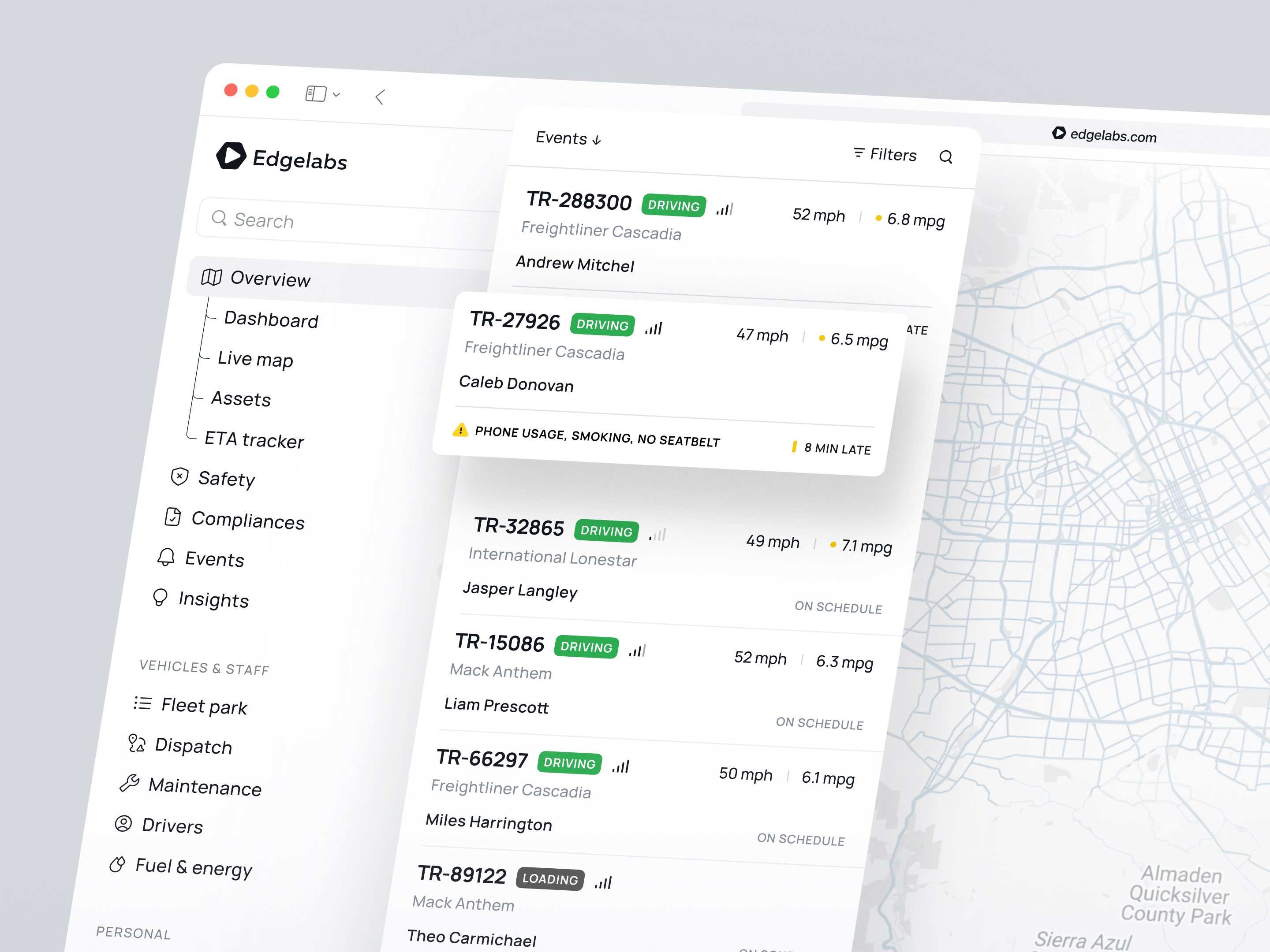
The Value of Partnering with Experts for Predictive Analytics
Developing a predictive analytics solution is often more complex than it initially appears.
While the end result may seem like a simple combination of algorithms and visualizations, the underlying effort spans multiple disciplines: backend engineering, data pipeline construction, interface design, cybersecurity, third-party integrations, user experience research, cloud infrastructure management, and ongoing system maintenance.
Engaging a specialized development team helps mitigate risk by ensuring the product is strategically sound before significant resources are committed. This partnership aids in defining a realistic MVP scope, validating data feasibility, designing interfaces that drive decision-making, and establishing a scalable technical foundation.
This level of rigor is particularly critical when the software will be relied upon daily by internal teams, clients, or executives. While internal prototypes can tolerate imperfections, production-grade applications require stability, reliability, and polish to remain viable.
Conclusion
The true worth of predictive analytics lies not in its technological sophistication but in its ability to empower users to act sooner and with greater certainty.
Success depends on more than just the algorithm. It requires high-quality data, an architecture that supports operational workflows, clear and explanatory dashboards, user trust, and a clear understanding of subsequent business actions.
The most effective approach is to start by targeting a single, high-impact decision. Build a solution around that specific need, then expand the system’s capabilities as your data matures, user feedback accumulates, and the business case strengthens.
About the Creator
Shakuro
We are a web and mobile design and development agency. Making websites and apps, creating brand identities, and launching startups.
Enjoyed the story? Support the Creator.
Subscribe for free to receive all their stories in your feed.
Comments
There are no comments for this story
Be the first to respond and start the conversation.