
How to Build a Startup Brand
Discover everything you need to know to create a branding for your startup.

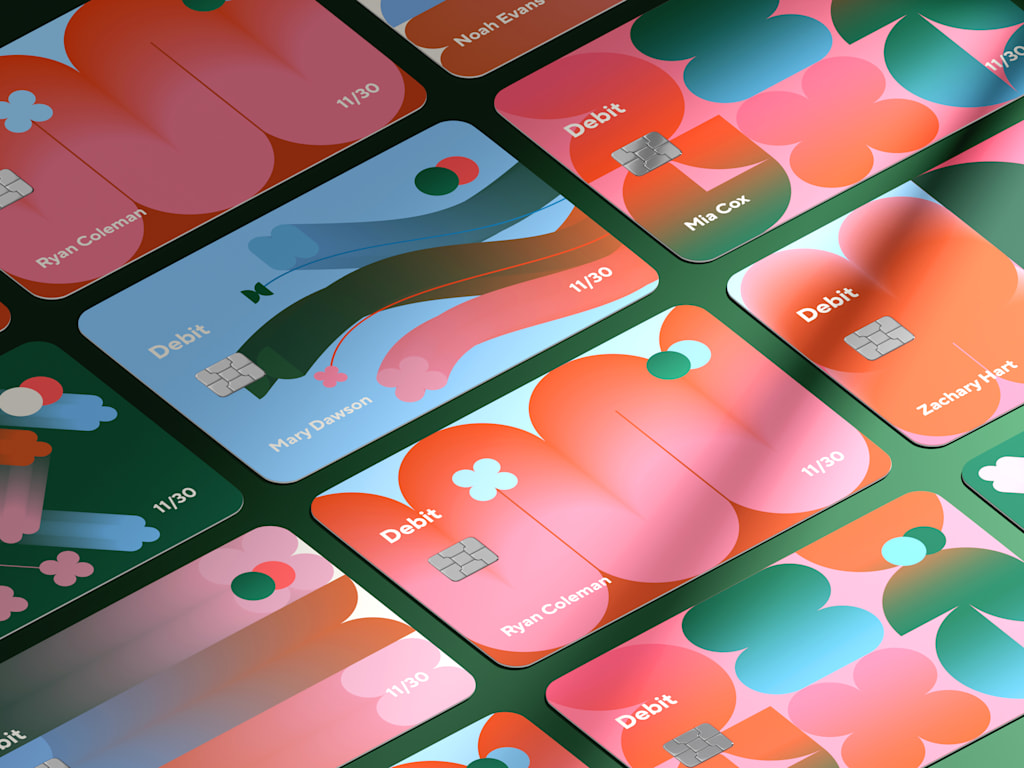
You are nearing the completion of your initial concept, perhaps even possessing some foundational frameworks. Yet, prior to seeking funding, a critical inquiry arises: “What is our true identity? What distinguishes us?” The stark reality is that superior technology alone is insufficient; if your name evokes no emotional response, you remain unnoticed. While launching a venture demands significant effort, and you may wish to avoid dedicating resources to “branding activities” that seem non-essential, establishing a solid brand foundation early on ultimately conserves time. Clarity regarding your core values, mission, and target audience simplifies decision-making and enhances your appeal to potential backers.
If you feel uncertain, burdened, or doubtful about the value of branding, continue reading. We will guide you through the process of constructing a meaningful brand.
The Importance of Branding for Emerging Ventures
Effective branding ensures recognizability. It involves embodying principles so distinctly that individuals immediately understand if your offering aligns with their needs.
When operating with limited resources and low visibility, every interaction matters. Whether it’s a social media post, a presentation slide, or an introductory message, each instance represents an opportunity for someone to determine, “Do I trust these individuals with my resources?” Inconsistent messaging creates hesitation and hinders progress.
Furthermore, in the early stages, branding can serve as a competitive edge. Established corporations struggle with agility due to bureaucratic structures, historical reputations, and stakeholder expectations. In contrast, new ventures can embrace boldness, uniqueness, and specificity, thereby cultivating a loyal following.
Appealing to Investors, Clients, and Prospective Employees
Consider this scenario: You are presenting to a potential investor who has reviewed numerous similar proposals recently. What captures their interest?
Beyond market size or financial metrics, it is their confidence in your team. This confidence stems largely from the clarity and assurance conveyed by your brand. Vague communication, amateurish design, or an inability to succinctly articulate your value proposition diminishes your credibility.
Investors seek evidence of momentum, which begins with perception. A well-defined brand strategy signals competence, audience understanding, and purposeful action, thereby lowering perceived risk.
Regarding customers, human connection is paramount. In the absence of testimonials or proven track records, your brand acts as a substitute for trust. Demonstrating empathy and a deep understanding of your clients’ challenges fosters strong relationships.
Recruitment is another critical area. As your venture grows, you will need skilled professionals. Why would talented individuals leave secure positions to join an unproven team? They research your online presence. If they encounter only technical jargon and silence, they will look elsewhere. A compelling employer brand attracts top talent.
Emerging Branding Directions for 2025
- Embracing Imperfection: Overly polished, sterile aesthetics are falling out of favor. Audiences prefer authenticity, such as candid founder communications, unedited video content, and transparent acknowledgment of limitations.
- Subtle Design, Strong Principles: Instead of flashy logos or aggressive marketing, brands are opting for minimalist visuals, clear language, and evident ethical commitments, including environmental responsibility and fair practices.
- Founders as Central Figures: Personal connection drives engagement. Founders who share insights through podcasts, honest social media posts, and direct interactions build trust more effectively than traditional advertising.
- Niche Communities Over Broad Appeal: Successful startups are fostering small, dedicated groups on platforms like Discord or specialized forums. The focus is on engagement and listening rather than direct sales, integrating the brand into ongoing discussions.
- Moving Beyond Hype: There is growing skepticism toward vague claims of artificial intelligence integration. Clearly explaining specific benefits, such as error reduction while maintaining human oversight, is more effective than generic labels.
- Dynamic Visual Elements: Incorporating subtle animations, flexible typography, and character-filled interface elements makes a brand feel vibrant and engaging.
- Prioritizing Communication Style: Authentic voice and tone have a lasting impact beyond visual design. The manner in which you communicate resonates more deeply than color palettes or logos.

Understanding the Essence of a Brand: A Primer for Startups
It is time to clarify the true definition of a “brand” and distinguish it from common misconceptions. Below are the fundamental concepts you need to grasp.
Defining Your Brand vs. Common Misconceptions
A brand encompasses the name, terminology, design, symbol, or any other attribute that sets your product or service apart from competitors. It represents the immediate intuition or gut reaction someone has toward your startup before they even interact with your offering—a cumulative pattern of impressions. Think of it as reputation, but more rapid and emotionally driven.
Core Elements of a Brand
- Identity: This comprises the visual and verbal markers, such as the name, logo, and design components, that make a company identifiable.
- Perception: A brand is the aggregate of all viewpoints held by customers, employees, and the general public regarding your business.
- Value: Robust brands generate equity, creating tangible benefits for clients, founders, and investors.
- Communication Strategy: These are the mechanisms—such as advertising, public relations, and outreach—used to influence how the brand is perceived.
- Emotional Resonance: Effective brands establish deep emotional bonds with their audience, fostering loyalty and trust.
What a Brand Is Not
- It is not just your logo: The icon is merely a symbol representing something deeper; it is not the entity itself. You can update your logo without altering your core brand identity, as seen in the transition from Twitter to X.
- It is not your website or color scheme: While these are expressions of your strategy, changing colors does not fundamentally change who you are, unless the previous aesthetic was inauthentic.
- It is not empty marketing rhetoric: Your brand is validated through actions. If customer support is slow, no amount of caring language will compensate for the poor experience.
- It is not a one-time launch: Brands are not released like software updates; they evolve gradually through consistent behavior over time.
- It is not solely for customers: Your brand influences internal culture, investor pitches, and how you handle criticism.
Visual Identity and Market Presence
Let’s delve into the components of visual identity, such as logos and typography, and their impact on your market positioning.
A logo serves as a signal. Complexity is unnecessary; in fact, the most effective logos remain clear even at favicon size. Consider Dropbox, Slack, or Airbnb, which utilize simple, instantly recognizable marks.
However, the logo must align with your startup’s nature. A whimsical mascot would feel inappropriate for a serious B2B security firm, just as a cold, industrial emblem would clash with a mental wellness application. Frequent redesigns are unnecessary; choose a durable design and test its legibility on mobile screens. If it appears indistinct, reconsider.
Colors carry cultural significance and set the emotional tone. For instance, a fintech company using neon pink might appear innovative or confusing, depending on the target audience. Accessibility is also crucial; aesthetically pleasing gradients should not compromise text readability, as this excludes users with visual impairments.
For example, Conceptzilla employed a restrained palette of greens and whites for a private golf club startup, ensuring elegance and clarity.
Typography plays a subtle yet powerful role. Fonts convey personality:
- Clean sans-serifs (e.g., Inter, SF Pro) suggest modernity, efficiency, and directness.
- Serifs (e.g., Georgia, Playfair) imply trustworthiness, editorial quality, and thoughtfulness.
- Handwritten or quirky fonts indicate casualness and creativity, though they may risk appearing unprofessional.
Consistency is key; select one or two typefaces and maintain them to build recognition.
Imagery is another area where startups often falter. Generic stock photos of people feigning joy at computers render a brand forgettable and inauthentic. Distinctive startups use genuine imagery, such as team photos, real user screenshots, hand-drawn illustrations, or even relevant memes.
The Relationship Between Branding and Marketing
A strong brand dictates your marketing strategy, not vice versa.
For example:
- If your brand voice is dry and witty (like Basecamp or Slack), your social media content can be sarcastic, minimal, and human.
- If your tone is warm and educational (like Notion or Duolingo), your content should focus on tutorials, empathy, and clarity.
- If your stance is bold and disruptive (like early Tesla or Stripe), your campaigns should feel ambitious and potentially polarizing.
You do not need to reinvent your tone for every feature release. Consistency allows audiences to recognize your unique character (“That’s so them”).
Furthermore, clear brand guidelines simplify marketing decisions:
- Target Audience: Already defined.
- Messaging: Derived from core values.
- Channels: Determined by where your audience spends time.
This eliminates guesswork and prevents following trends blindly (e.g., joining TikTok just because others are). Decisions become faster and more strategic.
Finally, branding establishes boundaries for marketing activities. If privacy is a core value, you will avoid invasive retargeting ads. If transparency is paramount, you will not hide pricing behind demo requests. Your brand principles guide what you will not do, ensuring integrity.

Fundamental Components of an Unforgettable Startup Brand
You understand the necessity of branding at various growth stages, but what specific ingredients create a lasting impression? Is there a formula for success? Here are the essential elements.
Logo: Minimalist, Versatile, and Mission-Aligned
While your logo is not synonymous with your entire brand, it is frequently the initial point of contact. Therefore, its design is critical.
Effective startup logos prioritize simplicity over extravagance. Companies like Dropbox, Notion, and Stripe avoid complex gradients, three-dimensional effects, or whimsical mascots. Instead, they utilize clean, distinct shapes that remain legible across all formats, from tiny favicons to business cards.
Crucially, the design must reflect your core mission. A lighthearted sketch might be perfect for a children’s application but would appear inappropriate for a cybersecurity platform.
Color Palette: Triggering Emotion and Perception
Colors play a pivotal role in visual identity because they evoke specific psychological responses. Consider why most financial institutions favor blue; it conveys stability, trust, and calmness.
Select a primary color, a secondary accent, and perhaps a neutral tone that aligns with the desired emotional impact. Always test these choices in real-world scenarios. A deep purple may look sophisticated on a high-end monitor but could appear muddy or black on certain mobile devices.
For example, Airbnb employs a warm coral hue to signify hospitality, humanity, and belonging. Slack’s multi-colored logo symbolizes connectivity and diversity.
Typography: Practical and Character-Driven
Fonts function like vocal inflections; they are often subconscious but significantly influence how your message is perceived. As previously noted, crisp sans-serif typefaces (such as Inter or SF Pro) project modernity and efficiency, making them ideal for tech tools or speed-oriented services. Using a sterile corporate font while attempting a warm, personal tone creates cognitive dissonance. Limit your selection to two fonts maximum: one for headings and one for body text.
Voice and Tone: Uniformity Across Platforms
Inconsistency confuses users. If your website is friendly and direct, but your social media presence is filled with jokes, and your support emails sound robotic, customers will struggle to identify your true personality. This fragmentation can lead to churn.
Your brand voice should be recognizable regardless of the channel. While the intensity may vary—more energetic on social media, more solemn during a crisis—the underlying character must remain consistent.
Mission Statement: Inspiring and Action-Oriented
This statement answers the question, “Why do we exist beyond profit?” Avoid vague corporate jargon like “leveraging synergies for innovation.” Such phrases lack meaning.
Instead, look to Patagonia: “We’re in business to save our home planet.” This clearly communicates purpose, scope, and values. Your mission should be something that motivates your team and resonates with your customers.
Naming and Tagline: Clarity and Memorability
Your name and tagline serve as your introduction. If potential clients mishear, misspell, or fail to understand them, you lose momentum. Steer clear of obscure puns or invented words that resemble typos. For instance, Notion’s tagline, “One workspace for everyone,” is straightforward and descriptive.
Effective names are:
- Easy to pronounce
- Simple to recall
- Available as a web domain (a practical necessity)
Brand Narrative and BHAG: Ambitious Goals Strengthen Identity
Humans connect through stories. However, your brand narrative should not read like a formal press release. It should address: Why did we begin? What problem frustrated us? Who are we serving? Share this story casually, as if speaking to a friend.
Pair this narrative with a BHAG (Big Hairy Audacious Goal)—a bold, long-term objective that pushes boundaries. For example, “We are building an internet for creators, not algorithms.”
When your story and vision are aligned, your brand acquires weight and significance.

A Practical Guide to Building Your Startup Brand
Phase 1: Reconnect with Your Origin Story
Gather your co-founders or core team for a focused session to answer four critical questions:
- Target Audience: Be precise. Instead of "business owners," try "freelance graphic designers frustrated by payment delays."
- The Pain Point: Describe the problem emotionally. Why is the current situation unacceptable? Does it cause stress, waste time, or feel disrespectful?
- Your Unique Angle: Why are you the right people to solve this? Perhaps you have personal experience with the issue or are dissatisfied with existing, overly complex solutions.
- Core Beliefs: What principles do you hold that challenge the status quo? For example, "Efficiency shouldn’t require an enterprise-level budget."
Phase 2: Establish Vision and Tone
Before creating a comprehensive style guide, define your brand’s personality using three descriptive adjectives. Examples include "approachable, straightforward, pragmatic" or "audacious, unconventional, humorous."
Test these descriptors by drafting sample content, such as a social media post, a customer support response, or a brief pitch. Ensure the tone aligns with your chosen words. Additionally, determine when to adjust your tone, such as adopting a more serious demeanor during service outages or sensitive discussions. Keep these guidelines accessible for regular reference.
Phase 3: Develop Core Messaging
Distill your insights into concise, reusable statements for use across your website, presentations, and communications. Avoid over-complication; draft multiple variations and select the strongest ones.
- Mission Statement: Clarify your purpose. (e.g., "We help [Audience] eliminate time wasted on [Problem].")
- Tagline: Create a catchy, memorable phrase to accompany your logo. (e.g., "Invoicing made simple.")
- Elevator Pitch: Summarize your value in one sentence: Product + Target Audience + Key Differentiator. (e.g., "A streamlined time-tracking solution for remote development teams tired of cumbersome project management tools.")
Phase 4: Select Visual Foundations
Professional design expertise isn’t immediately necessary; consistency is key.
- Color Palette: Choose 1–2 primary colors using tools like Coolors.co or Adobe Color. Ensure they reflect your desired vibe (warm tones for friendliness, cool tones for professionalism). Avoid neon shades unless they specifically suit your industry.
- Typography: Utilize free resources like Google Fonts. Select a clean sans-serif typeface (e.g., Inter, Open Sans, Manrope) for both headlines and body text to maintain uniformity.
- Imagery Style: Decide on a visual approach—real photography, illustrations, screenshots, or informal memes. Establish clear rules, such as avoiding generic stock photos of people pretending to work. Document these choices to ensure adherence.
Phase 5: Create a Minimalist Logo
Use design tools like Figma, Canva, or Sketch, or commission a simple design via platforms like Fiverr. Consider these formats:
- Wordmark: Your company name styled distinctively.
- Lettermark: An initial or icon combined with the name.
- Symbol: A standalone icon (riskier for new brands but viable if confident).
Design Rules: Ensure the logo works in black and white, remains legible at small sizes, and avoids gradients, shadows, or 3D effects. Simplicity enhances recognition.
Phase 6: Establish a Basic Online Presence
Create a consistent digital footprint:
- Landing Page: Use platforms like Carrd, Webflow, or Framer to build a simple site featuring your name, tagline, value proposition, and a contact or waitlist option.
- Social Profiles: Set up LinkedIn or X (Twitter) accounts using your established colors and voice.
- Email Signature: Standardize your email footer.
- Founder's Note: Optionally, include a brief two-paragraph story explaining your motivation, which can appeal to early investors.
Phase 7: Validate with Real Feedback
Present your brand elements to five trusted individuals who will provide honest critiques. Ask them:
- What do you think our company does?
- Who is our target customer?
- How would you describe our personality? (e.g., friendly, serious, technical)
If responses vary widely, revisit Phase 1. If most participants understand your message, you are on the right path.
Phase 8: Document and Expand
Compile all decisions into a single reference document for your team. This ensures consistency across all materials. Share this guide with new hires and consult it when designing features or writing copy.
As your startup grows, you can refine these elements, develop formal design systems, and adjust to emerging trends. However, starting with intentionality prevents chaotic rebranding efforts later on.

Pitfalls to Avoid in Startup Branding
Relying Too Heavily on External Agencies
Outsourcing your entire brand identity to an agency that lacks deep insight into your mission, user base, or operational pressures is risky. While agencies offer valuable technical expertise, excluding your team from defining the core voice, values, and purpose results in a polished but soulless brand. Instead, retain control over the strategic foundation yourself and hire agencies primarily for execution tasks like graphic design, video production, or web development.
Skipping Strategic Planning
Many founders bypass critical foundational questions in favor of immediate visual design. Without a clearly defined mission, target audience, and tone guidelines, messaging becomes disjointed, leading to internal confusion regarding culture and market positioning. Dedicate time to articulate who you serve, what you stand for, and how you communicate before investing in visuals.
Inconsistency Across Platforms
Disparate messaging across different channels undermines brand recognition. While users may not notice minor inconsistencies immediately, prolonged dissonance erodes trust. For instance, if your newsletter adopts a warm, friendly tone but your social media posts feel robotic and distant, customers will sense a disconnect. Maintain uniformity in fonts, colors, and voice across all touchpoints to build credibility.
Disregarding Customer Perception
Treating branding as a one-way declaration rather than a dialogue is a common error. If customers misunderstand your offering—for example, believing a paid tool is free, or misidentifying your workflow automation software as generic AI—it indicates a failure in communication. Regularly ask users what comes to mind when they hear your company name. Their perceptions are more valuable than your assumptions and should guide your messaging adjustments.
Overcomplicating the Message
In an effort to impress investors or appear sophisticated, founders often resort to jargon-heavy language. Phrases like “leveraging disruptive synergy for digital transformation” are meaningless to most audiences. If you cannot explain your product in one simple sentence, your message is too complex. Speak plainly, focusing on who you help and how, using clear, human language.
Neglecting the Overall Experience
Your brand is defined by the entire customer journey, not just visuals. Slow support responses, buggy software, confusing onboarding, or poor treatment of contractors all damage your brand reputation. If the actual experience contradicts your brand promise, aesthetic polish becomes irrelevant. Identify and resolve gaps between your promised value and the delivered experience, even in areas invisible to the public.
Refusing to Evolve
Locking your brand identity in stone early on can hinder growth. As your company scales from a small startup to an enterprise-facing business, your brand must adapt. Clinging to an “edgy” early-stage vibe or ignoring cultural shifts makes your brand appear out of touch. Review and refine your brand strategy every six to twelve months, ensuring it remains relevant while staying true to your core values.

Assessing Brand Performance for Emerging Ventures
Indicators of Brand Visibility
Early signs that your brand is gaining traction include:
- Direct Web Traffic: An increase in users typing your URL directly or accessing bookmarked pages indicates genuine recognition. This data is typically found under “Acquisition > Direct” in analytics platforms.
- Brand Search Volume: Monitor tools like Google Trends or Search Console to see if searches for your company name are rising. Growth here suggests increasing word-of-mouth visibility.
- Unprompted Social Mentions: Use monitoring tools to track references that do not tag your official account. If users describe your product by its distinctive features (e.g., “the app with the yellow icon”) and refer to you, it demonstrates strong mental availability.
- Endorsements from Credible Sources: Features in reputable newsletters or invitations to speak at events serve as trust signals, enhancing your perceived authority.
- Organic Discovery: When surveying new users, an increase in responses like “I’ve noticed you around” rather than “I saw an advertisement” confirms that organic awareness is building.
Website Engagement and Conversion Rates
User behavior on your site reveals whether your branding is effective. Key metrics to monitor include:
- Session Duration and Bounce Rate: Extended visit times suggest your messaging resonates, while high bounce rates may indicate confusion or a mismatch in tone.
- Conversion Actions: High rates of waitlist sign-ups or free trial initiations without aggressive incentives point to strong emotional alignment with your audience.
- Content Consumption: Tools like Hotjar or Microsoft Clarity can reveal scroll depth, showing whether visitors engage with your narrative or leave after reading only the headline.
- Content Sharing: If your blog posts or newsletters are frequently shared, it indicates that your voice holds value for your audience.
Feedback from Investors and Clients
Pay attention to how investors describe your venture. Comments such as “You’re the team everyone is talking about” or “You have a distinct perspective” signal strong brand equity. Conversely, remarks like “You seem similar to [Competitor]” or “It’s unclear who this is for” indicate a lack of differentiation.
Ask clients simple questions like, “What is the first word that comes to mind when you think of us?” Their responses will reveal whether your core message is being received accurately or if it is getting lost in translation.

Final Thoughts: The Competitive Edge of Strategic Branding
In a landscape saturated with innovative concepts, constrained capital, and scarce attention, superior technology alone is insufficient for success. What distinguishes a thriving venture from one that disappears, despite having a better product? The answer lies not merely in timing, but in effective branding. It is the subtle yet powerful mechanism that transforms your startup from "just another option" into a distinct, compelling choice. A robust brand articulates your narrative proactively, fostering genuine connection and giving stakeholders a reason to care.
Action Plan: Cultivating a Lasting Identity
You do not need substantial resources or perfect conditions to begin. Start modestly and expand using the principles outlined above:
- Establish Consistency: Select your visual elements (colors, typography) and tonal voice, then adhere to them strictly.
- Leverage Founder Authenticity: Allow founders to drive the initial narrative, adding a human touch.
- Maintain Presence: Show up regularly, even if only on a single platform, to build familiarity.
- Iterate Based on Feedback: Listen to your users, adapt your approach, and remain authentic.
View branding not as a finite project but as an ongoing practice. It is the daily commitment to presenting your company in a way that resonates emotionally, addresses specific pain points, and delivers real solutions. By doing so, you create a brand that stands out by truly connecting with the people it serves.
About the Creator
Shakuro
We are a web and mobile design and development agency. Making websites and apps, creating brand identities, and launching startups.
Enjoyed the story? Support the Creator.
Subscribe for free to receive all their stories in your feed.
Comments
There are no comments for this story
Be the first to respond and start the conversation.