
How to Address Performance Problems in Electric Overhead Cranes
Effective Solutions for Common Electric Overhead Crane Performance Issues

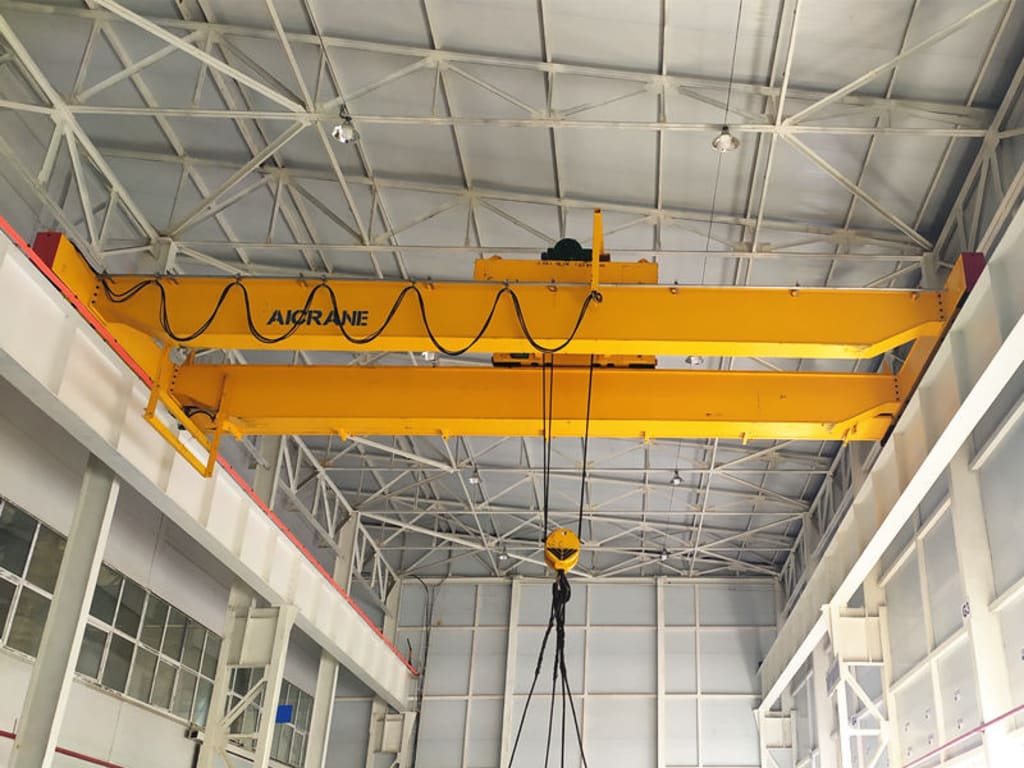
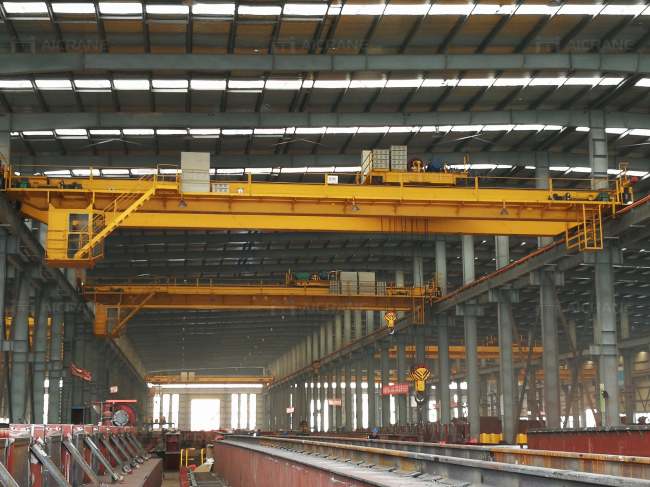
Electric Overhead Cranes (EOT Cranes) are essential tools in various industries, including manufacturing, construction, and logistics. They are designed to handle heavy lifting and material handling tasks, making them invaluable in environments that require precision and safety. However, like any complex machinery, EOT cranes are susceptible to performance issues that can affect their efficiency, safety, and lifespan. Recognizing and addressing performance problems in electric overhead cranes is crucial to maintaining productivity and minimizing downtime.
In this article, we’ll explore common performance problems in electric overhead cranes and how to address them effectively.
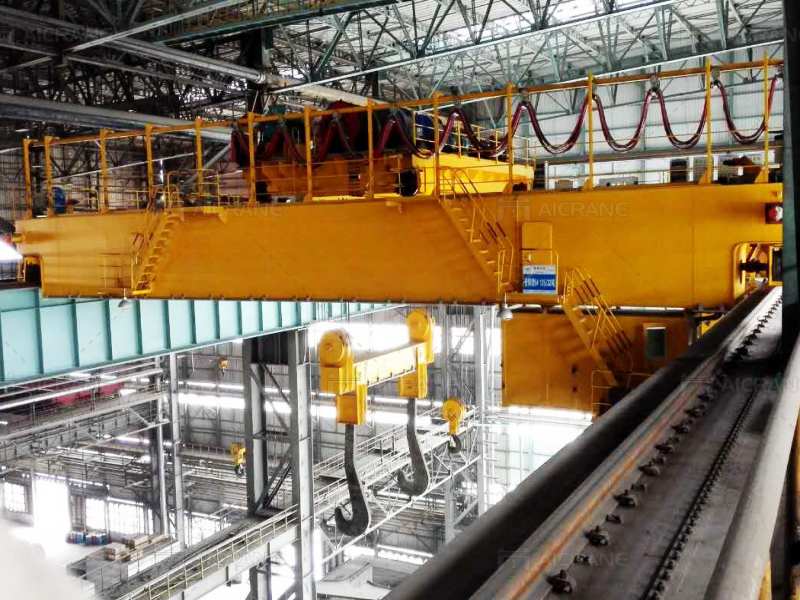
1. Slow or Inconsistent Movement
One of the most common performance problems with electric overhead cranes is slow or inconsistent movement, whether in the hoist, trolley, or bridge. This issue can be caused by various factors, including electrical problems, mechanical wear, or insufficient power supply.
Possible Causes:
Worn-out motor brushes or damaged motors.
Low voltage or irregular power supply.
Faulty control systems or switches.
Issues with the crane’s gearbox or drive system.
How to Address:
Inspect the Electrical System: Check the power supply to ensure that the crane is receiving the correct voltage. Inconsistent power can affect motor speed and cause erratic movement.
Examine the Motor and Brushes: Inspect the motor for wear and tear. Replacing worn-out motor brushes or repairing damaged motors can restore normal performance.
Check the Gearbox and Drive System: Regularly inspect the gearbox for any signs of wear, such as grinding noises or difficulty in motion. Ensure that the drive system is well-lubricated and functioning properly.
Control System Calibration: Verify the functionality of the crane’s control system. Sometimes, issues with speed and movement are linked to miscalibrated or malfunctioning controls, which may require recalibration or replacement of faulty components.
2. Overloading or Unbalanced Load
Another frequent issue is overloading or improper load distribution, which can strain the crane and lead to performance problems. When the load exceeds the crane’s lifting capacity or is not balanced properly, the system can experience increased stress, leading to slower movements, mechanical damage, or even accidents. Either single girder or double girder overhead crane, overloading is danger and forbidden.
Possible Causes:
Lifting loads beyond the crane’s rated capacity.
Improperly distributed or unbalanced loads.
Faulty load sensors or limit switches.
How to Address:
Monitor Load Limits: Always adhere to the crane’s specified load capacity. Overloading not only damages the crane but also creates safety risks. Use load indicators or overload protection systems to prevent exceeding the crane’s capacity.
Ensure Proper Load Distribution: Before lifting, make sure the load is evenly distributed on the hook. Uneven loads can cause swaying or instability during lifting, which can affect crane performance and safety.
Inspect Load Sensors and Limit Switches: Regularly check the load sensors and limit switches to ensure they are functioning correctly. Malfunctioning sensors can cause incorrect readings and lead to overloading.
3. Frequent Stops and Starts
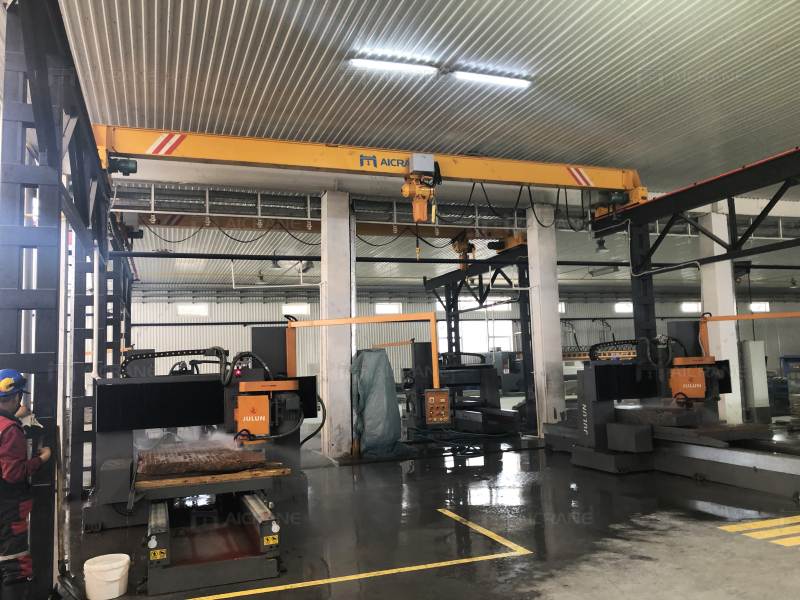
Frequent stops and starts during crane operation can cause undue wear on the components, leading to performance issues. If the crane is constantly pausing or hesitating while moving, this can result in mechanical strain and reduced efficiency.
Possible Causes:
Inconsistent power supply.
Worn-out brakes or clutches.
Faulty control systems.
Electrical or wiring issues.
How to Address:
Check the Electrical Components: Inspect the electrical system for any signs of intermittent power supply or wiring issues. Faulty connections can cause the crane to lose power, leading to unexpected stops.
Examine the Brakes and Clutches: Worn-out brakes or clutches can cause jerky movements and frequent halts. Regularly inspect and replace these components to ensure smooth operation.
Control System Diagnostics: The crane’s control system should be calibrated to ensure smooth starts and stops. If the system is malfunctioning, recalibration or replacement of damaged parts may be necessary.
4. Excessive Noise or Vibrations
Unusual noise or excessive vibrations can indicate underlying mechanical issues in the crane. Grinding, squealing, or knocking sounds typically point to problems with the crane’s moving parts, such as the hoist, gearbox, or trolley wheels. Excessive vibrations can cause stress on the crane’s frame and components, leading to premature wear and operational inefficiency.
Possible Causes:
Lack of lubrication in moving parts.
Worn-out bearings or gears.
Misaligned components or structures.
Loose bolts or hardware.
How to Address:
Lubricate Moving Parts Regularly: Ensure that all moving parts, including gears, bearings, and rollers, are properly lubricated. Lack of lubrication can lead to friction, which causes noise and excessive wear.
Inspect Bearings and Gears: Worn-out bearings or gears often result in grinding or rattling noises. Replace any damaged components immediately to prevent further damage.
Check for Misalignment: Misalignment of the crane’s structure or components can lead to vibrations. Regularly inspect the crane for any misalignment and correct it by adjusting or realigning the parts.
Tighten Loose Bolts: Loose bolts or hardware can contribute to vibrations and noise. Ensure that all bolts and fasteners are tightened properly during routine inspections.
5. Electrical Failures and Short Circuits
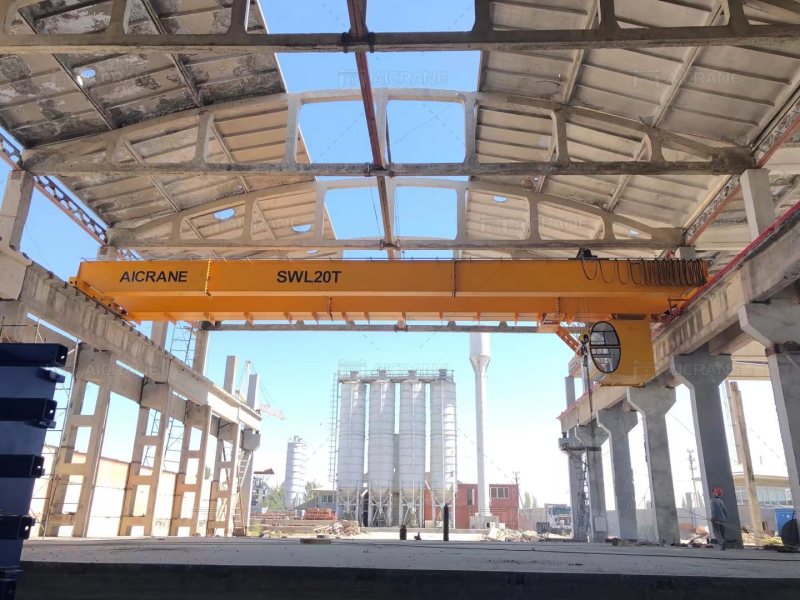
Electrical issues can cause a range of problems, from intermittent operation to total system failure. Short circuits, blown fuses, or damaged wiring can lead to a loss of control, erratic movements, or even complete shutdowns of the crane.
Possible Causes:
Damaged or frayed wiring.
Faulty fuses or circuit breakers.
Short circuits in the electrical system.
Moisture or corrosion affecting electrical components.
How to Address:
Inspect Wiring and Electrical Connections: Regularly inspect the crane’s wiring for any signs of damage, wear, or fraying. Replace any faulty wiring immediately to prevent electrical shorts.
Check Fuses and Circuit Breakers: Ensure that all fuses and circuit breakers are functioning properly. Blown fuses or tripped breakers can lead to power loss and electrical failures.
Moisture Protection: Ensure that the crane’s electrical components are protected from moisture or corrosion, particularly in outdoor or harsh environments. Consider using protective coatings or covers to shield sensitive parts.
6. Poor Crane Positioning
Crane positioning problems can lead to inefficiencies in material handling and unnecessary stress on the crane’s components. If the crane is not properly aligned with the load or operating area, it can cause delays, uneven load distribution, and mechanical strain.
Possible Causes:
Incorrectly positioned rails or tracks.
Misalignment of the crane bridge or trolley.
Faulty limit switches or sensors.
How to Address:
Check Rail and Track Alignment: Ensure that the crane’s rails or tracks are properly aligned to facilitate smooth movement. Misaligned tracks can cause the crane to become stuck or move erratically.
Inspect the Bridge and Trolley: Regularly check the crane’s bridge and trolley for any misalignment. Misalignment can cause uneven lifting or unnecessary wear on the mechanical parts.
Verify Limit Switches and Sensors: Ensure that limit switches are properly calibrated to control the crane’s movements and prevent it from running off its track or overextending.
Conclusion
Addressing performance problems in electric overhead cranes requires a proactive approach to maintenance and troubleshooting. By identifying the root cause of common issues such as slow movement, overloading, electrical failures, and noise, you can take steps to restore the crane to its optimal performance. Regular inspections, preventive maintenance, and timely repairs are crucial to extending the crane’s lifespan and ensuring safety and efficiency in operations. Properly addressing performance issues not only reduces downtime but also contributes to smoother, safer, and more reliable material handling in your facility.
About the Creator
Aicrane Group
Aicrane is a professional fabrication and trade integration enterprise in Overhead Crane, Gantry Crane, Rubber Tire Gantry Crane, Boat Lift, Steel Structure Workshop, Construction Winch, Marine Winch,etc.
Enjoyed the story? Support the Creator.
Subscribe for free to receive all their stories in your feed.
Comments