
How the Business Events Industry Is Evolving Through Strategic Event Management
How the Business Events Industry Is Shaping the Future of Global Conferences
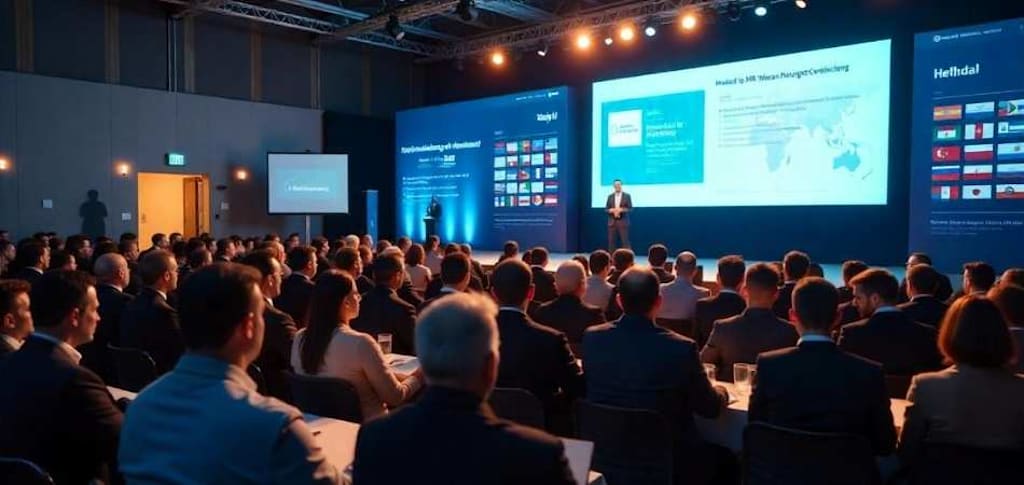
The global events landscape has undergone significant transformation over the past decade. Organizations no longer view conferences, congresses, exhibitions, and corporate meetings as standalone gatherings. Instead, these events have become strategic platforms for networking, education, business development, and innovation. As attendee expectations continue to evolve, organizers must embrace smarter planning methods, advanced technologies, and collaborative partnerships to deliver exceptional experiences.
At the center of this transformation is the Business Events Industry, which plays a vital role in driving economic growth, facilitating knowledge exchange, and strengthening international collaboration. From healthcare and technology to finance and education, business events bring professionals together to share expertise, build partnerships, and shape the future of their industries.
The Growing Importance of Business Events
Business events have become much more than networking opportunities. They create environments where ideas are exchanged, innovations are introduced, and long-term relationships are built. Whether hosting an international congress or an industry-specific conference, organizations now focus on delivering measurable value for attendees, sponsors, exhibitors, and stakeholders.
Several factors have contributed to the increasing importance of business events:
- Rapid globalization
- Advances in event technology
- Greater demand for professional education
- Hybrid and virtual participation
- Sustainability initiatives
- Data-driven decision-making
As a result, the Business Events Industry continues to expand, creating opportunities for destinations, event organizers, hospitality providers, and local economies.
Why Strategic Event Planning Matters
Successful events don't happen by chance. Every aspect—from venue selection and program development to attendee engagement and post-event analysis—requires careful planning.
Strategic event management begins with defining clear objectives. Organizers must identify whether the event aims to educate members, launch products, attract investors, encourage collaboration, or influence policy discussions.
Once goals are established, planners can align every decision with those objectives. This includes selecting speakers, designing educational sessions, implementing networking opportunities, and integrating digital technologies that enhance the attendee experience.
Data also plays an increasingly important role. Registration trends, engagement metrics, attendee feedback, and sponsor performance all provide valuable insights for continuous improvement.
The Value of Professional Congress Organisers (PCOs)
Managing a large conference involves countless operational responsibilities. Registration systems, accommodation management, sponsorship coordination, financial planning, logistics, speaker management, marketing campaigns, and compliance all require specialized expertise.
This is where Professional Congress Organisers (PCOs) become invaluable partners.
PCOs bring years of experience in planning complex association meetings, scientific congresses, and international conferences. Their structured approach helps organizations minimize risks while maintaining consistent event quality.
Instead of focusing solely on operational tasks, experienced PCOs also contribute strategic guidance. They understand attendee expectations, industry trends, supplier management, budgeting, and event technology, enabling organizations to deliver more impactful events.
Their ability to coordinate multiple stakeholders often results in smoother execution and better outcomes for both organizers and participants.
Creating Meaningful Attendee Experiences
Today's attendees expect far more than traditional presentations. They seek interactive learning opportunities, personalized agendas, networking sessions, workshops, panel discussions, and practical takeaways they can apply in their professional lives.
Technology has become essential in meeting these expectations.
Mobile event applications provide personalized schedules and instant communication. Artificial intelligence recommends networking opportunities based on attendee interests. Live polling, question-and-answer sessions, and digital engagement tools encourage active participation throughout the event.
Accessibility has also become a priority. Hybrid formats enable participants from around the world to join without traveling, increasing both reach and inclusivity.
The most successful events combine technology with meaningful human interaction, ensuring participants leave with valuable knowledge and lasting professional connections.
Developing an Effective Association Meetings Strategy
For membership organizations, conferences represent one of the most valuable opportunities to strengthen relationships with members.
An effective Association Meetings Strategy focuses on aligning every event with the organization's long-term mission. Rather than simply organizing annual meetings, associations develop experiences that encourage member engagement, professional development, advocacy, and collaboration throughout the year.
Key elements of a successful strategy include:
- Understanding member expectations
- Delivering relevant educational content
- Encouraging networking and collaboration
- Measuring event performance
- Building long-term partnerships
- Leveraging technology to improve engagement
When meetings support broader organizational objectives, they become powerful tools for member retention and sustainable growth.
Choosing the Right Destination
The location of an event influences attendance, accessibility, sponsorship opportunities, and overall participant satisfaction.
Destinations today compete aggressively to attract international congresses and conventions because these events generate substantial economic benefits for local communities.
Successful Conference Destination Marketing goes beyond promoting attractive venues. It highlights transportation infrastructure, accommodation options, cultural experiences, safety, sustainability initiatives, local expertise, and government support.
Many destinations now collaborate closely with convention bureaus, tourism organizations, universities, and industry associations to position themselves as ideal hosts for specialized conferences.
Selecting the right destination can significantly improve attendance while creating memorable experiences that encourage future participation.
Innovation Is Transforming Event Delivery
Technology continues to reshape how conferences are planned and experienced.
Artificial intelligence assists with personalized recommendations, automated scheduling, and customer support. Event management platforms simplify registration and communication. Virtual reality creates immersive exhibition experiences, while advanced analytics provide valuable insights into attendee behavior.
Sustainability has also become a driving force.
Many organizers now prioritize:
- Paperless registration
- Digital event materials
- Sustainable catering
- Waste reduction
- Carbon-conscious travel planning
- Eco-friendly venues
These initiatives not only reduce environmental impact but also reflect the growing expectations of attendees and sponsors.
Innovation should always serve a purpose: improving attendee satisfaction while increasing operational efficiency.
Building Long-Term Industry Partnerships
Large-scale conferences rely on collaboration among multiple stakeholders.
Associations, sponsors, exhibitors, venue operators, technology providers, local governments, and suppliers all contribute to event success.
Organizations that establish long-term relationships with Professional Congress Organisers (PCOs) often benefit from greater consistency, improved financial planning, and more efficient operational processes.
Long-term partnerships also foster innovation because trusted collaborators gain a deeper understanding of organizational goals and audience expectations over time.
Rather than reinventing processes for every event, organizations can continuously improve based on previous experiences and performance data.
Measuring Event Success
Attendance figures alone no longer determine whether an event has been successful.
Modern organizers evaluate a wide range of key performance indicators, including:
- Attendee satisfaction
- Learning outcomes
- Sponsor retention
- Revenue generation
- Networking effectiveness
- Digital engagement
- Membership growth
- Media coverage
- Social media interactions
Post-event surveys and analytics provide valuable insights that help refine future planning while demonstrating return on investment to stakeholders.
Continuous evaluation ensures each conference builds upon previous successes.
The Future of the Business Events Industry
The future of the Business Events Industry will be shaped by innovation, sustainability, personalization, and global collaboration.
Artificial intelligence will continue enhancing attendee experiences through smarter recommendations and automated services. Hybrid formats will remain an important option for organizations seeking broader participation. Sustainability will influence venue selection, supplier partnerships, and operational decisions.
At the same time, the importance of face-to-face interaction will remain unchanged. Business relationships are still built through trust, meaningful conversations, and shared experiences that cannot be fully replicated online.
Organizations that successfully balance digital innovation with authentic human engagement will be better positioned for long-term success.
Conclusion
Business events have evolved into strategic platforms that drive education, collaboration, economic growth, and professional development. Delivering exceptional experiences requires careful planning, strong partnerships, and a commitment to continuous improvement.
As the Business Events Industry continues to expand, organizations must embrace innovation while maintaining a clear focus on attendee value. Working with experienced event professionals, adopting modern planning strategies, selecting the right destinations, and measuring performance effectively all contribute to successful outcomes.
Whether organizing association meetings, international congresses, or industry conferences, strategic event management enables organizations to create lasting impact, strengthen professional communities, and remain competitive in an increasingly dynamic global events landscape.
About the Creator
Enjoyed the story? Support the Creator.
Subscribe for free to receive all their stories in your feed.
Comments
There are no comments for this story
Be the first to respond and start the conversation.