
How secure are transactions in real estate asset tokenization platforms?
Understanding Blockchain Security, Smart Contracts, and Risk Factors in Real Estate Asset Tokenization Platforms

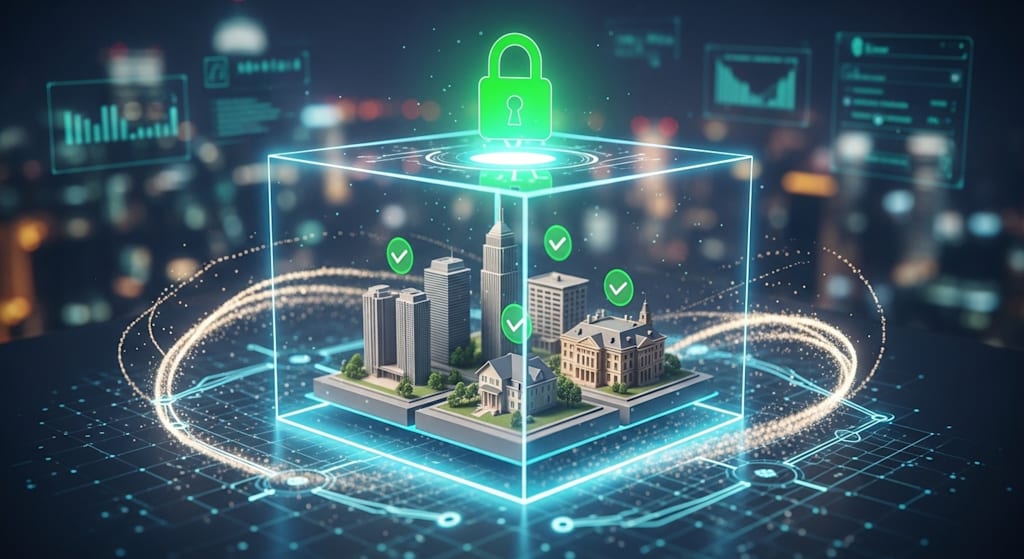
Digital ownership models are gaining attention in property markets, and real estate asset tokenization is one of the most discussed developments in this space. It allows physical property to be divided into digital units that can be bought, sold, or held by multiple investors. While the concept brings flexibility and access, one question often comes first: how secure are the transactions happening inside these platforms?
Security is not a single feature. It is a combination of technology, legal structure, operational controls, and user behavior. When evaluating Real Estate Tokenization, it is necessary to understand how each layer contributes to protecting funds, ownership records, and transaction data.
This article explains how transaction security works in these platforms, what methods are used, what risks still exist, and how a Real Estate Tokenization company approaches safety in practical terms.
Understanding Transaction Flow in Tokenized Real Estate
Before discussing security, it helps to look at how a transaction takes place. In a typical real estate tokenization platform development setup, the process includes:
- Investor identity verification
- Wallet creation or connection
- Selection of property tokens
- Payment through fiat or cryptocurrency
- Token allocation recorded on a blockchain
- Ownership reflected in digital records
Each step involves different systems working together. Security depends on how well these systems communicate and how resistant they are to misuse.
Role of Blockchain in Transaction Security
At the heart of most Real Estate Tokenization Platform Development solutions is blockchain technology. It acts as a distributed ledger where transaction records are stored across multiple nodes instead of a single server.
Immutability of Records
Once a transaction is written into a blockchain, it cannot be altered easily. This reduces the chances of tampering with ownership records. If someone tries to modify a transaction, it would require control over a majority of the network, which is extremely difficult in well-established blockchains.
Decentralized Validation
Transactions are validated by multiple nodes rather than a central authority. This reduces the risk of single-point failure or internal manipulation. For investors, this adds a layer of confidence that records are not controlled by one entity alone.
Cryptographic Protection
Each transaction is secured using cryptographic signatures. Only the holder of a private key can authorize the transfer of tokens. This ensures that ownership transfers happen only with proper authorization.
Smart Contracts and Their Role
Smart contracts are programs that run on the blockchain and handle transaction logic. In Real Estate Tokenization Services, they manage tasks such as token issuance, transfer conditions, and dividend distribution.
Automated Execution
Once conditions are met, the smart contract executes automatically. This reduces reliance on manual processes, which can introduce errors or manipulation.
Predefined Rules
The contract contains fixed rules that cannot be changed without redeployment. This prevents sudden changes in transaction terms after investors commit funds.
Security Risks in Smart Contracts
While smart contracts improve reliability, they are not risk-free. Poor coding can lead to vulnerabilities. A Real Estate Tokenization Development company usually conducts audits and testing to reduce such risks.
Identity Verification and Access Control
Security is not only about technology. It also involves verifying who is allowed to participate.
KYC and AML Procedures
Most platforms require Know Your Customer and Anti-Money Laundering checks. This helps prevent fraud and illegal activities. It also creates accountability among participants.
Multi-Factor Authentication
Users often need to verify their identity using more than one method, such as passwords, OTPs, or biometric data. This reduces the chance of unauthorized access.
Role-Based Permissions
Different users have different access levels. For example, investors, administrators, and auditors may have separate permissions. This limits exposure if one account is compromised.
Wallet Security in Tokenized Transactions
Digital wallets are used to store and transfer property tokens. Their security is critical.
Private Key Management
The private key controls access to tokens. If it is lost or stolen, the assets may be at risk. Platforms may use custodial wallets where the platform manages keys, or non-custodial wallets where users control their own keys.
Hardware and Cold Storage Options
Some Real Estate Tokenization Services use offline storage methods for added protection. These reduce exposure to online attacks.
Recovery Mechanisms
Secure recovery systems are important. Without them, users could lose access permanently if credentials are misplaced.
Data Security Beyond Blockchain
While blockchain secures transaction records, other data such as user information and legal documents are stored off-chain.
Encrypted Databases
Sensitive information is stored in encrypted formats. Even if data is accessed without permission, it cannot be read easily.
Secure APIs
Platforms communicate through APIs. These must be protected to prevent unauthorized data exchange.
Regular Security Testing
Penetration testing and vulnerability assessments are conducted to identify weaknesses in the system.
Legal and Compliance Framework
Transaction security is also linked to legal compliance. A Real Estate Tokenization Development company must align with regional regulations.
Property Ownership Verification
Before tokenization, the property must be legally verified. This prevents disputes related to ownership.
Regulatory Oversight
Some jurisdictions require tokenized assets to follow securities laws. This adds a layer of monitoring and accountability.
Smart Contract Legality
Contracts must align with legal agreements. Digital ownership should correspond with real-world legal rights.
Risks That Still Exist
Even with multiple layers of protection, no system is entirely risk-free.
Smart Contract Bugs
Errors in code can be exploited. This is why audits are important but not a complete guarantee.
Phishing Attacks
Users may be tricked into revealing credentials. Education and awareness play a role in reducing this risk.
Platform-Level Risks
If a platform is poorly managed, it may face operational issues. Choosing a reliable Real Estate Tokenization company is important.
Regulatory Changes
New laws may affect how transactions are handled. Platforms must adapt to remain compliant.
Methods Used to Improve Security
Security is an ongoing process. Platforms apply several methods to maintain safety.
Code Audits
Independent experts review smart contracts and system code to identify vulnerabilities.
Bug Bounty Programs
Developers are encouraged to report issues in exchange for rewards. This helps find problems early.
Continuous Monitoring
Systems are monitored for unusual activity. Alerts are triggered if suspicious behavior is detected.
Backup Systems
Data backups prevent loss in case of system failure. This supports recovery and continuity.
Role of a Real Estate Tokenization Development Company
A Real Estate Tokenization Development company is responsible for designing and maintaining secure platforms. Their work includes:
Selecting suitable blockchain frameworks
- Writing and testing smart contracts
- Integrating compliance systems
- Setting up secure infrastructure
- Monitoring system performance
Their expertise directly affects the safety of transactions. A poorly developed platform can expose users to risks, while a well-designed system reduces vulnerabilities.
Comparing Traditional and Tokenized Transaction Security
Traditional real estate transactions rely on intermediaries such as banks, brokers, and legal offices. Each step involves paperwork and manual verification.
In contrast, real estate asset tokenization uses digital systems to record and verify transactions. This reduces dependency on intermediaries but introduces new technical risks.
Advantages
- Faster transaction recording
- Reduced manual errors
- Digital audit trails
Challenges
- Dependence on software quality
- Need for user awareness
- Regulatory uncertainty in some regions
User Responsibility in Security
Even the most secure system cannot protect against careless behavior.
Safe Password Practices
Users should use strong passwords and avoid sharing credentials.
Awareness of Scams
Phishing emails and fake platforms are common threats.
Regular Updates
Keeping devices and apps updated helps prevent security breaches.
Future Outlook for Transaction Security
As Real Estate Tokenization Services continue to develop, security methods are also improving.
Improved Smart Contract Standards
New frameworks aim to reduce coding errors and improve reliability.
Better Identity Systems
Digital identity solutions may reduce fraud and simplify verification.
Integration with Legal Systems
Closer alignment between digital records and legal frameworks can reduce disputes.
Conclusion
Transaction security in real estate asset tokenization platforms depends on multiple layers working together. Blockchain technology provides a reliable record of transactions, while smart contracts automate processes. Identity verification, wallet protection, and data security measures add further protection.
However, risks still exist, especially in areas such as smart contract coding and user behavior. This makes it important to choose a reliable Real Estate Tokenization Development company and follow safe practices as a user.
Real Estate Tokenization is still developing, and security methods are improving with time. When implemented carefully, these platforms can provide a secure way to handle property transactions in a digital format.
About the Creator
Ethan hunt
Ethan is a blockchain and Web3 specialist focused on building decentralized ecosystems that enhance transparency, security, and global accessibility.
Enjoyed the story? Support the Creator.
Subscribe for free to receive all their stories in your feed.
Comments
There are no comments for this story
Be the first to respond and start the conversation.