
How Real-Time Interactive Platforms Are Transforming Digital Entertainment
The Rise of Immersive User Experiences Across Online Entertainment

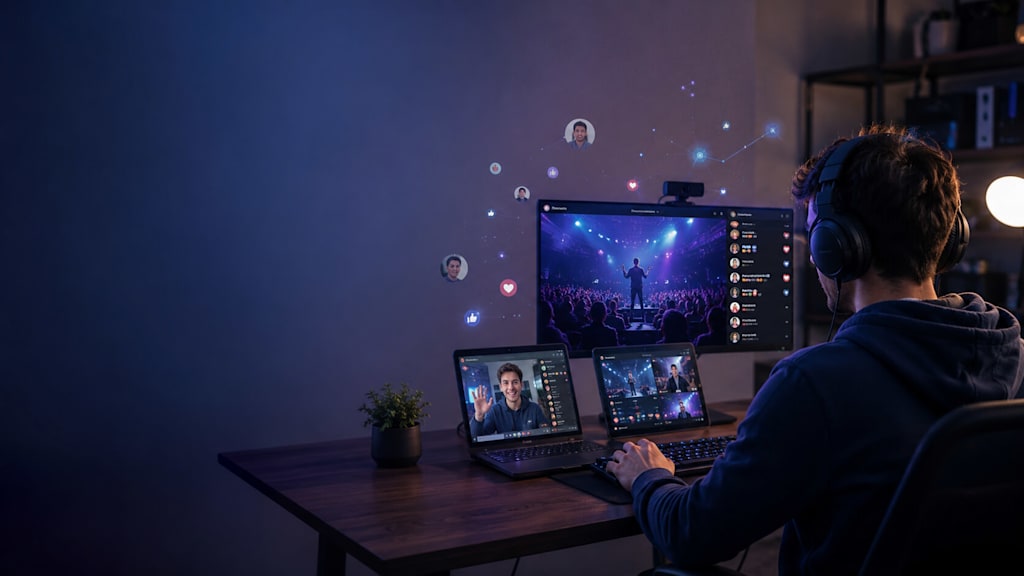
Digital entertainment has changed dramatically over the last few years. Audiences no longer want to sit back and consume content passively. They want to participate, react, influence outcomes, and engage with creators or communities in real time. This shift has changed how entertainment platforms are built, how creators connect with users, and how businesses monetize digital experiences.
From live streaming and multiplayer gaming to virtual concerts and interactive broadcasts, real-time engagement has become the foundation of modern entertainment ecosystems. Many businesses entering this space are also working with specialized live interactive platform providers to create faster, more immersive user experiences that keep audiences engaged for longer sessions.
The rise of real-time interaction is not limited to one industry. Streaming services, gaming companies, social platforms, sports broadcasters, and online entertainment businesses are all investing heavily in technology that allows instant communication and audience participation.
The Shift From Passive Content to Interactive Experiences
Traditional entertainment models were based on one-way communication. Television broadcasts, recorded videos, and pre-produced content allowed users to watch but not participate. Real-time platforms changed that model completely.
Today, audiences expect live chat, instant reactions, audience polls, multiplayer features, and personalized engagement during digital experiences. Platforms that fail to deliver interactive elements often struggle to maintain long-term user retention.
This trend is especially visible in live streaming. Modern streaming environments allow viewers to communicate with creators instantly through comments, reactions, voice interaction, and virtual gifting systems.
The demand for interactive experiences is also driven by younger audiences who value community participation more than passive entertainment. Real-time interaction creates a stronger emotional connection between platforms, creators, and viewers.
Why Real-Time Engagement Is Becoming Essential
Real-time engagement increases user attention and creates longer session durations. When users can actively participate in content, they feel more connected to the platform experience.
Several factors are accelerating this transformation:
Faster Internet Infrastructure
High-speed mobile networks and improved streaming technology have made low-latency communication possible across global audiences. Users now expect instant responsiveness regardless of device or location.
Growth of Creator-Led Entertainment
Content creators have become central figures in digital entertainment. Live interactions help creators build loyal communities rather than temporary audiences. Features like live chat, direct Q&A sessions, and subscriber interactions strengthen viewer retention.
Mobile-First User Behavior
Most digital entertainment traffic now comes from mobile devices. Interactive features such as touch-based engagement, live reactions, and real-time notifications work naturally within mobile ecosystems.
Demand for Personalized Experiences
Modern users expect content experiences tailored to their interests and behaviors. Interactive platforms can adjust recommendations, live events, and user participation dynamically based on audience activity.
Industries Being Reshaped by Interactive Platforms
Live Streaming Platforms
Live streaming has become one of the fastest-growing segments in digital entertainment. Streaming is no longer limited to gaming. Today, creators stream music performances, educational sessions, shopping experiences, sports commentary, and lifestyle content.
Platforms are introducing features like dual-format streaming, real-time audience reactions, and interactive overlays to increase engagement.
The success of live streaming comes from its unpredictability and authenticity. Unlike edited content, live interaction creates a sense of immediacy that keeps audiences engaged.
Online Gaming
Gaming has evolved into a highly social experience. Multiplayer systems, live tournaments, voice chat, and spectator interaction have transformed gaming platforms into digital communities.
Game developers now design experiences that encourage continuous interaction between players, creators, and viewers.
Virtual Events and Concerts
Virtual entertainment events gained significant momentum during global lockdown periods, but they continue to grow because of their accessibility and scalability.
Interactive concert platforms now include live audience participation, virtual fan communication, augmented reality effects, and real-time reactions.
These experiences create new monetization opportunities while removing geographic limitations.
Interactive Sports and Entertainment Broadcasting
Sports and entertainment broadcasts are becoming more immersive through real-time statistics, audience polls, synchronized live chats, and interactive viewing experiences.
The goal is to turn viewers into participants rather than spectators.
The Technology Behind Real-Time Platforms
Several technologies are enabling this transformation across digital entertainment.
Low-Latency Streaming
Low-latency infrastructure reduces delays between broadcasters and viewers. This creates smoother communication and makes real-time interaction possible.
Cloud Computing
Cloud-based systems help platforms manage massive traffic spikes during live events without performance issues.
Artificial Intelligence
AI-driven recommendation engines personalize content feeds and improve user retention by analyzing behavior patterns in real time.
Augmented and Virtual Reality
AR and VR technologies are adding immersive layers to entertainment experiences. Interactive virtual concerts and gaming environments are examples of how these technologies are changing audience expectations.
How Real-Time Platforms Improve Business Growth
Real-time interaction is not only improving user experiences but also driving stronger business performance.
Interactive platforms often achieve:
- Higher user retention
- Longer engagement sessions
- Better monetization opportunities
- Increased subscription conversions
- Stronger community growth
- More repeat visits
Businesses can also collect valuable behavioral data through interactive engagement systems. This helps platforms optimize recommendations, content strategies, and advertising performance.
The growth of microtransactions, subscriptions, live commerce, and digital gifting models also demonstrates how interactive engagement directly impacts revenue generation.
The Future of Digital Entertainment
The future of digital entertainment will likely be built around participation rather than passive viewing. Audiences increasingly want entertainment experiences that feel social, responsive, and personalized.
Several trends are expected to grow further:
- Interactive live commerce
- AI-powered live hosts
- Immersive virtual experiences
- Cross-platform digital communities
- Personalized live content
- Real-time audience-driven storytelling
Platforms that focus on speed, engagement, and community interaction will continue gaining market share as user expectations evolve.
The success of modern entertainment businesses will depend heavily on how effectively they create meaningful real-time experiences that keep users actively involved rather than simply watching content.
Conclusion
Real-time interactive platforms are redefining digital entertainment across streaming, gaming, live events, and online media. The industry is moving toward experiences where audiences are no longer passive consumers but active participants.
This transformation is creating stronger communities, better engagement metrics, and new revenue opportunities for digital entertainment businesses worldwide.
As technology continues to improve, real-time interaction will become an even more important part of how users experience entertainment online. Platforms that adapt to this shift early will be better positioned to build long-term audience loyalty and sustainable growth.
About the Creator
Krishan
I’m a tech enthusiast exploring the intersection of gaming and software development. I enjoy learning about how technology shapes digital experiences and sharing ideas that push the industry forward.
Enjoyed the story? Support the Creator.
Subscribe for free to receive all their stories in your feed.
Comments
There are no comments for this story
Be the first to respond and start the conversation.