
How Oxygen Enhances Exercise Performance: Benefits & Best Practices
Oxygen is essential for sustaining life, but its role in exercise performance is often underestimated.

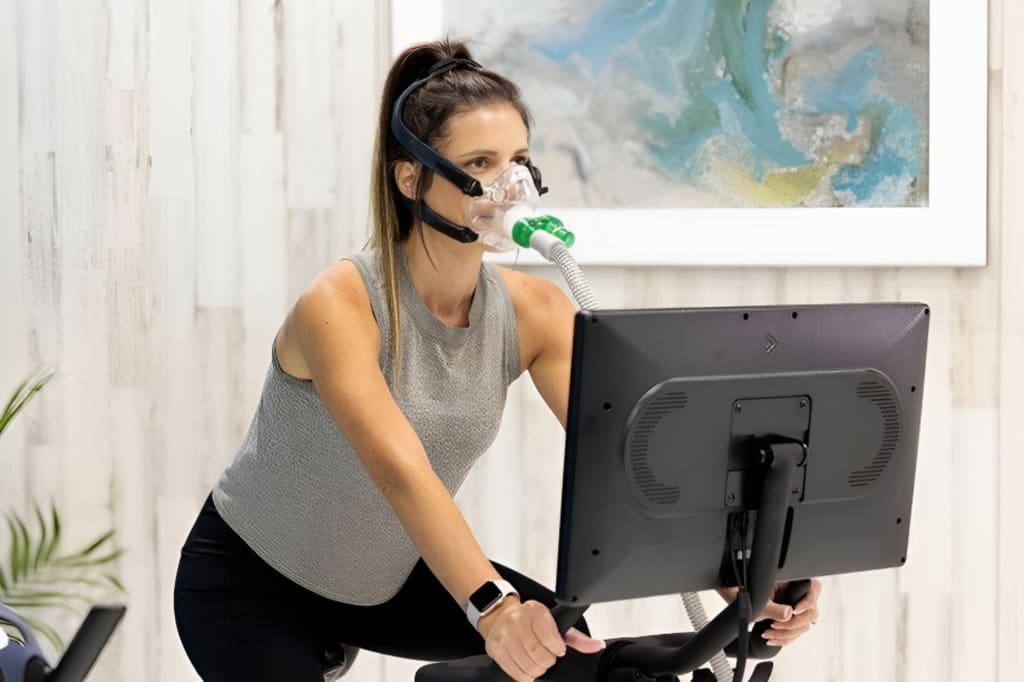
Introduction
Oxygen is essential for sustaining life, but its role in exercise performance is often underestimated. Whether you're an athlete or a fitness enthusiast, optimizing oxygen intake can significantly impact your stamina, endurance, and recovery. In this article, we will explore how oxygen enhances exercise performance, its benefits, and best practices for ensuring adequate oxygenation during workouts.
The Role of Oxygen in Exercise Performance
During physical activity, muscles require more oxygen to generate energy efficiently. The body delivers oxygen through the bloodstream, where it supports aerobic metabolism, allowing muscles to perform optimally. When oxygen levels are insufficient, performance declines, leading to fatigue and reduced endurance.
Key Functions of Oxygen During Exercise:
Energy Production: Oxygen is essential for aerobic respiration, which produces ATP (adenosine triphosphate), the energy currency of cells.
Muscle Efficiency: Adequate oxygen supply reduces lactic acid buildup, minimizing muscle fatigue.
Improved Endurance: Higher oxygen levels delay exhaustion and enhance overall performance.
Faster Recovery: Oxygen aids in muscle repair and reduces post-workout soreness.
Benefits of Optimizing Oxygen Levels for Exercise
1. Increased Stamina and Endurance
Efficient oxygen utilization enables longer and more intense workouts. Athletes engaged in endurance sports like running, cycling, and swimming benefit greatly from higher oxygen levels.
2. Enhanced Muscle Performance
Oxygen supports muscle contractions, allowing for better strength output and reduced chances of cramping.
3. Faster Recovery Time
Higher oxygen intake accelerates the removal of metabolic waste products such as carbon dioxide and lactic acid, aiding in quicker recovery post-exercise.
4. Improved Breathing Efficiency
Oxygen training techniques help strengthen the respiratory system, enabling better lung function and oxygen absorption.
5. Reduced Risk of Hypoxia
Low oxygen levels can lead to hypoxia, a condition where the body lacks sufficient oxygen to sustain physical activity, causing dizziness and muscle weakness.
Best Practices to Optimize Oxygen Intake During Exercise
1. Practice Proper Breathing Techniques
Diaphragmatic Breathing: Also known as belly breathing, this technique maximizes oxygen intake by engaging the diaphragm.
Rhythmic Breathing: Syncing breath with movement (e.g., inhaling for two strides while running and exhaling for two strides) can improve oxygen efficiency.
Nasal Breathing: Helps filter and warm air, improving lung efficiency.
2. Incorporate Oxygen-Boosting Exercises
Cardiovascular Training: Activities like running, swimming, and cycling enhance lung capacity and oxygen uptake.
High-Intensity Interval Training (HIIT): Boosts oxygen efficiency by challenging the body's aerobic and anaerobic systems.
Yoga and Pranayama: These breathing exercises improve lung function and oxygen circulation.
3. Consider Oxygen Therapy for Performance Enhancement
Some athletes use supplemental oxygen to improve endurance and recovery. Oxygen concentrators, used for medical and athletic purposes, help increase oxygen levels in the body.
Oxygen Concentrator: Key Warning Signs suggest that individuals experiencing frequent breathlessness or low oxygen levels should consult a healthcare provider before using supplemental oxygen.
4. Optimize Nutrition for Better Oxygen Utilization
Iron-Rich Foods: Iron helps in the production of hemoglobin, which carries oxygen in the blood.
Antioxidant-Rich Foods: Vitamin C and E improve oxygen transport and reduce oxidative stress.
Hydration: Dehydration reduces blood volume, limiting oxygen delivery to muscles.
5. Train at High Altitudes
High-altitude training forces the body to adapt to lower oxygen levels, improving oxygen efficiency when returning to normal conditions.
Oxygen for Exercise: The Importance of Monitoring Oxygen Levels
Monitoring oxygen saturation levels (SpO2) during exercise ensures optimal performance and prevents complications like hypoxia. Wearable pulse oximeters can track oxygen levels and help athletes adjust their breathing techniques accordingly.
Additionally, knowing the (Oxygen Concentrator: Key Warning Signs) can help individuals recognize symptoms of low oxygen levels that may require medical attention.
Conclusion
Optimizing oxygen intake is a game-changer for exercise performance, endurance, and recovery. By practicing proper breathing techniques, engaging in oxygen-boosting activities, and maintaining a balanced diet, individuals can maximize their workouts. Whether you’re an athlete or a fitness enthusiast, prioritizing oxygen for exercise can lead to significant improvements in stamina, strength, and overall well-being.
About the Creator
One Thousand Roads
Welcome to One Thousand Roads! We're here to boost your well-being with EWOT (Exercise with Oxygen Therapy) machines. Oxygen is a game-changer for health, and we're on a mission to help everyone live a healthier, happier life.
Enjoyed the story? Support the Creator.
Subscribe for free to receive all their stories in your feed.
Comments (1)
Oxygen is amazing and improves everything! Great work