
How Is Real Estate Tokenization Opening Doors for First-Time Investors?
Unlocking Affordable Property Investment Through Fractional Ownership and Global Access

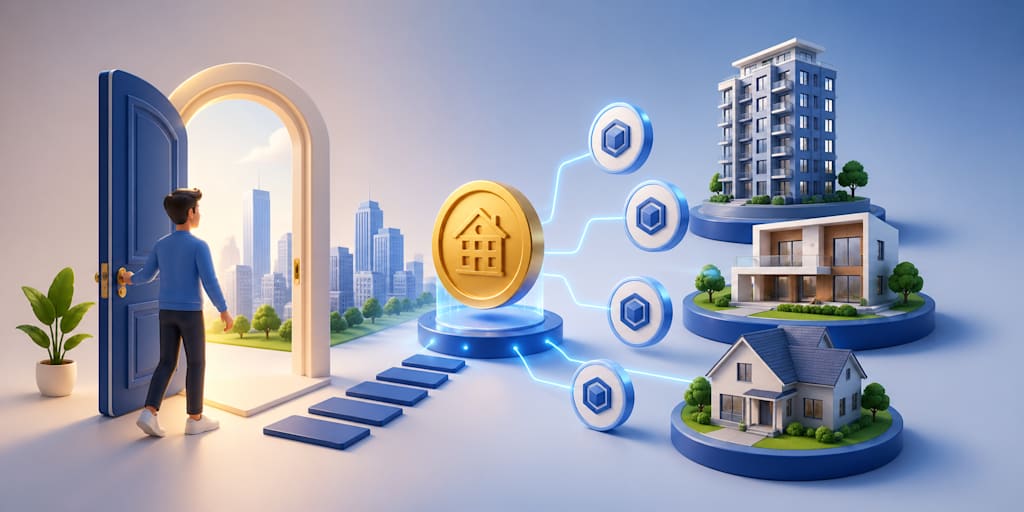
For decades, real estate has been one of the most reliable ways to build long-term wealth. Yet for many first-time investors, entering the property market has often felt out of reach. High upfront capital, complex paperwork, and limited access to premium properties have made real estate a difficult starting point.
In recent years, a new approach has started to change this situation. Real Estate Tokenization is creating a different path by allowing individuals to invest in property through digital tokens that represent fractional ownership. Instead of needing large sums to buy an entire property, investors can now participate with smaller amounts.
This shift is not just about technology. It is about access, flexibility, and inclusion. First-time investors, who once had to rely on savings for years or depend on loans, now have a way to step into the real estate market much earlier.
What Is Real Estate Tokenization?
Real Estate Tokenization refers to the process of converting ownership rights of a physical property into digital tokens stored on a blockchain. Each token represents a share of the property, allowing multiple investors to own fractions instead of the whole asset.
Through real estate asset tokenization, properties such as residential buildings, commercial offices, and even luxury developments can be divided into smaller units. These units are then offered to investors through digital platforms.
This method removes the traditional barrier of needing to purchase an entire property. Instead, investors can buy tokens based on their budget and investment goals.
Why First-Time Investors Struggle in Traditional Real Estate
Before understanding the benefits, it is important to see the challenges new investors face in the conventional property market.
High Capital Requirement
Buying real estate usually requires a large initial investment. Down payments, registration costs, and taxes can add up quickly. For someone just starting out, this often becomes the biggest obstacle.
Limited Access to Premium Assets
High-value properties in prime locations are usually controlled by wealthy individuals or institutions. First-time investors rarely get access to such opportunities.
Low Liquidity
Real estate is not easy to sell quickly. Finding buyers, negotiating prices, and completing legal processes can take months.
Complex Documentation
Legal paperwork, ownership verification, and compliance procedures can be overwhelming for beginners.
These challenges have kept many potential investors away from real estate. This is where tokenization begins to change the landscape.
How Real Estate Tokenization Lowers Entry Barriers
One of the most important contributions of Real Estate Tokenization is reducing the cost of entry.
Fractional Ownership
Instead of buying an entire property, investors can purchase small portions through tokens. This allows individuals to start investing with amounts that were previously considered too small for real estate.
For example, a property worth $1 million can be divided into thousands of tokens. An investor can buy just a few tokens and still gain exposure to that asset.
Affordable Participation
This model opens the market to students, young professionals, and first-time investors who want to begin building a portfolio without taking large financial risks.
Real Estate Tokenization Services make it easier to access these opportunities through user-friendly platforms where investments can be made in a few steps.
Access to a Wider Range of Properties
Tokenization platforms often list properties from different regions and sectors. This gives first-time investors options that were previously limited.
Global Investment Opportunities
An investor in one country can invest in properties located in another without needing to physically visit or manage the asset. This expands the scope of investment beyond local markets.
Diversification Made Simple
Instead of putting all money into one property, investors can spread their investment across multiple assets. This reduces risk and creates a more balanced portfolio.
Real Estate Tokenization Platform Development plays an important role here by providing marketplaces where various properties are listed and managed efficiently.
Improved Liquidity for Investors
Traditional real estate investments are known for being illiquid. Selling a property can take time and effort. Tokenization introduces a different approach.
Easier Buying and Selling
Tokens can be traded on digital platforms, allowing investors to buy or sell their shares more quickly compared to physical property transactions.
Partial Exit Options
Investors do not need to sell their entire investment. They can sell a portion of their tokens based on their financial needs.
This flexibility is especially useful for first-time investors who may need access to funds without completely exiting the market.
Transparency and Trust in Transactions
One of the concerns for new investors is trust. Real estate transactions often involve multiple intermediaries, which can create confusion.
With Real Estate Tokenization, blockchain technology records all transactions in a secure and verifiable manner.
Clear Ownership Records
Each token represents ownership, and this information is stored digitally. Investors can easily verify their holdings without relying on complex paperwork.
Reduced Intermediaries
By minimizing the role of middlemen, the process becomes more straightforward and less prone to errors.
Real Estate Tokenization Development Services focus on creating platforms where these records are maintained accurately and securely.
Lower Operational Complexity
Managing a property can be challenging, especially for someone with no prior experience.
Professional Management
Most tokenized real estate platforms handle property management on behalf of investors. This includes maintenance, tenant management, and rent collection.
Passive Investment Experience
First-time investors can earn returns without dealing with day-to-day responsibilities. This makes real estate more approachable for individuals who do not have the time or expertise to manage properties.
A Real Estate Tokenization company typically partners with property managers to handle these tasks efficiently.
Faster Investment Process
Traditional property transactions can take weeks or even months to complete. Tokenization reduces this timeline significantly.
Digital Onboarding
Investors can register, verify their identity, and start investing online without lengthy procedures.
Quick Transactions
Buying tokens is faster compared to traditional property purchases. This speed helps investors act on opportunities without delays.
Real estate tokenization development focuses on simplifying these processes through digital platforms that handle transactions smoothly.
Increased Financial Inclusion
One of the broader impacts of tokenization is financial inclusion.
Opening Doors for New Investors
People who were previously excluded due to financial constraints can now participate in real estate markets.
Equal Opportunity Access
Tokenization reduces the gap between large investors and individuals by offering similar opportunities to all participants.
This inclusive approach is gradually attracting a new generation of investors who want to diversify their income sources.
Role of Technology in Supporting Tokenization
Technology plays a central role in making this model work.
Blockchain Infrastructure
Blockchain ensures secure and tamper-proof records of ownership and transactions.
Smart Contracts
Smart contracts automate processes such as profit distribution and ownership transfer. This reduces manual intervention and errors.
Real Estate Tokenization Development company solutions often integrate these technologies to create reliable platforms for investors.
Risks First-Time Investors Should Consider
While tokenization offers many advantages, it is important to understand the risks involved.
Regulatory Uncertainty
Laws related to tokenized assets are still evolving in many regions. Investors should stay informed about local regulations.
Market Volatility
Like any investment, the value of tokenized real estate can fluctuate based on market conditions.
Platform Reliability
Choosing a trusted Real Estate Tokenization company is important. Investors should research platforms before investing.
Limited Awareness
Since this is a relatively new concept, not all investors fully understand how it works. Education and research are essential before making decisions.
How to Get Started as a First-Time Investor
For those interested in entering this space, the process is relatively straightforward.
Step 1: Research Platforms
Look for platforms offering Real Estate Tokenization Services with a good track record.
Step 2: Understand the Property
Review details about the property, including location, expected returns, and associated risks.
Step 3: Start Small
Begin with a small investment to understand how the system works.
Step 4: Monitor Performance
Track your investment and stay updated on market trends.
Step 5: Diversify
Spread investments across multiple properties to reduce risk.
Future Outlook for First-Time Investors
The adoption of real estate asset tokenization is expected to grow as more investors become aware of its benefits. As technology continues to improve and regulations become clearer, participation is likely to increase.
For first-time investors, this means more opportunities to enter the market with confidence and flexibility. The gap between traditional real estate and digital investment models is gradually narrowing.
Real Estate Tokenization Platform Development is likely to bring more refined platforms with better user experiences and broader property listings.
Conclusion
Real estate has always been seen as a reliable investment, but access has been limited for many. Real Estate Tokenization is changing that by offering a more accessible, flexible, and efficient way to invest.
First-time investors now have the chance to participate in property markets without the need for large capital or complex processes. From fractional ownership to improved liquidity and global access, the benefits are reshaping how individuals approach real estate investment.
While there are risks to consider, careful research and informed decisions can help investors make the most of this opportunity. As the ecosystem grows, more people are likely to see real estate not as a distant goal but as a practical starting point for building wealth.
About the Creator
Ethan hunt
Ethan is a blockchain and Web3 specialist focused on building decentralized ecosystems that enhance transparency, security, and global accessibility.
Enjoyed the story? Support the Creator.
Subscribe for free to receive all their stories in your feed.
Comments
There are no comments for this story
Be the first to respond and start the conversation.