
How installing solar panels increase home value in USA?
As of my last update in September 2023, installing solar panels can indeed increase home value in the USA.
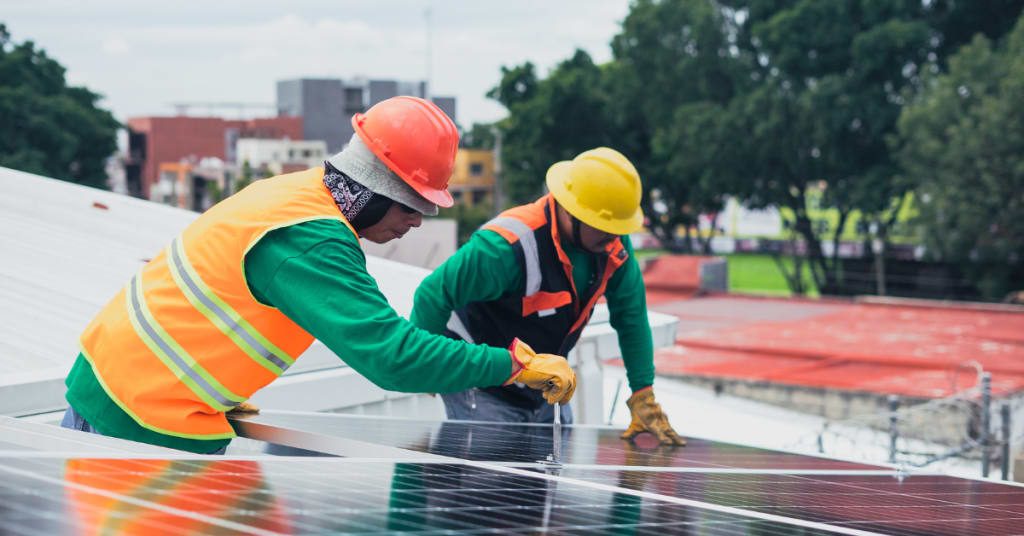
As of my last update in June 2023, installing solar panels can indeed increase home value in the USA. It's important to note that the extent of the increase in home value due to solar panels can vary depending on factors like the size and efficiency of the solar installation, local energy costs, available incentives, and the overall demand for solar energy in the area. For accurate and up-to-date information on how solar panels can impact a home's value in a specific location, homeowners should consult with local real estate professionals or solar energy experts.
There are several reasons why solar panels can positively impact a home's value:
Energy Cost Savings
Energy cost savings are one of the primary benefits of installing solar panels on a residential property in the USA. Solar panels generate electricity from sunlight, which allows homeowners to produce some or all of their electricity needs independently. As a result, they can significantly reduce their reliance on traditional utility-provided electricity, leading to cost savings over time.
Here's how energy cost savings work with solar panels:
1. **Reduced Electricity Bills:** By generating electricity from the sun, homeowners can offset their electricity consumption from the grid. During sunny days, when solar production is high, the excess electricity generated can even be fed back into the grid, earning credits or payments from the utility company (through net metering or feed-in tariff programs, depending on the state and utility policies).
2. **Energy Independence:** Homeowners with solar panels can become less dependent on utility companies and fluctuations in electricity prices. This is especially valuable in areas where energy prices are high or subject to volatility.
3. **Protection Against Rising Energy Costs:** Electricity prices tend to rise over time due to various factors, including inflation and increased demand. By producing their electricity, homeowners can shield themselves from some of these future cost increases.
4. **Tax Credits and Incentives:** As mentioned earlier, installing solar panels can make homeowners eligible for various tax credits and incentives. These financial benefits can help offset the initial investment in solar installation and accelerate the payback period, leading to more substantial long-term energy cost savings.
5. **Long-Term Investment:** Solar panels typically come with warranties ranging from 20 to 25 years or more. As the panels continue to produce electricity, the cost savings accumulate over time, making solar a long-term investment with a positive return.
6. **Environmentally Friendly:** Beyond the immediate cost savings, solar energy is environmentally friendly, as it produces electricity without greenhouse gas emissions. By reducing reliance on fossil fuels, homeowners can contribute to mitigating climate change and promoting a sustainable energy future.
It's essential to note that the amount of energy cost savings a homeowner can achieve with solar panels depends on various factors, including the size of the solar system, local solar resources (amount of sunlight available), electricity consumption patterns, and the specific electricity rates in the area.
Before deciding to install solar panels, homeowners should conduct a solar feasibility study or consult with a reputable solar company to understand the potential energy cost savings based on their individual circumstances and location. This way, they can make an informed decision about whether solar panels are a suitable and financially viable option for their home.
Tax Incentives and Rebates
As of my last update in September 2021, tax incentives and rebates have been significant drivers for promoting the adoption of solar energy in the USA. These incentives are offered at both the federal and state levels and are designed to make solar installations more affordable for homeowners. It's important to note that specific incentives and their availability may have changed or evolved since then, so it's essential to check with the latest government regulations or consult a tax professional for up-to-date information.
Here are some of the common tax incentives and rebates for solar installations in the USA:
1. **Federal Investment Tax Credit (ITC):** The Federal Investment Tax Credit is one of the most substantial incentives for residential solar installations. Under the ITC, homeowners can claim a percentage of the total cost of the solar system as a tax credit on their federal income tax return. The ITC percentage was set at 26% for installations completed in 2020-2022. However, this percentage may have changed after 2022, so it's essential to verify the current rate.
2. **State and Local Incentives:** Many states and local governments offer their own incentives for solar installations. These incentives can vary widely and may include additional tax credits, rebates, or performance-based incentives. The availability and details of these incentives depend on the state or municipality in which the installation takes place.
3. **Solar Renewable Energy Certificates (SRECs):** In some states, homeowners with solar installations can earn Solar Renewable Energy Certificates or Credits (SRECs) based on the amount of electricity their solar panels generate. These SRECs can then be sold to utilities or other entities that need to meet renewable energy targets, providing an additional revenue stream for homeowners.
4. **Property Tax Exemptions:** Some states offer property tax exemptions for solar energy systems. This means that the added value of the solar installation is not included in the property tax assessment, reducing the overall property tax burden for homeowners.
5. **Sales Tax Exemptions:** Certain states provide sales tax exemptions on the purchase of solar equipment, reducing the upfront cost of the solar installation.
6. **Grants and Rebates:** Some states or utilities may offer direct grants or rebates to homeowners who install solar panels, further lowering the initial cost.
7. **Net Metering Programs:** While not a direct tax incentive, net metering allows homeowners to receive credits or payments for excess electricity their solar panels generate and feed back into the grid. This can effectively reduce the homeowner's electricity bill.
It's important to be aware that tax incentives and rebate programs can vary significantly from state to state and may be subject to change based on legislative decisions or budget allocations. To take advantage of these incentives, homeowners should research the specific offerings in their state, ensure they meet the eligibility requirements, and follow the application process outlined by the relevant government or utility agency. Additionally, consulting a tax professional or a solar energy expert can help homeowners navigate the various incentives and maximize their savings.
Tax Incentives and Rebates
As of my last update in September 2021, tax incentives and rebates have been significant drivers for promoting the adoption of solar energy in the USA. These incentives are offered at both the federal and state levels and are designed to make solar installations more affordable for homeowners. It's important to note that specific incentives and their availability may have changed or evolved since then, so it's essential to check with the latest government regulations or consult a tax professional for up-to-date information.
Here are some of the common tax incentives and rebates for solar installations in the USA:
1. **Federal Investment Tax Credit (ITC):** The Federal Investment Tax Credit is one of the most substantial incentives for residential solar installations. Under the ITC, homeowners can claim a percentage of the total cost of the solar system as a tax credit on their federal income tax return. The ITC percentage was set at 26% for installations completed in 2020-2022. However, this percentage may have changed after 2022, so it's essential to verify the current rate.
2. **State and Local Incentives:** Many states and local governments offer their own incentives for solar installations. These incentives can vary widely and may include additional tax credits, rebates, or performance-based incentives. The availability and details of these incentives depend on the state or municipality in which the installation takes place.
3. **Solar Renewable Energy Certificates (SRECs):** In some states, homeowners with solar installations can earn Solar Renewable Energy Certificates or Credits (SRECs) based on the amount of electricity their solar panels generate. These SRECs can then be sold to utilities or other entities that need to meet renewable energy targets, providing an additional revenue stream for homeowners.
4. **Property Tax Exemptions:** Some states offer property tax exemptions for solar energy systems. This means that the added value of the solar installation is not included in the property tax assessment, reducing the overall property tax burden for homeowners.
5. **Sales Tax Exemptions:** Certain states provide sales tax exemptions on the purchase of solar equipment, reducing the upfront cost of the solar installation.
6. **Grants and Rebates:** Some states or utilities may offer direct grants or rebates to homeowners who install solar panels, further lowering the initial cost.
7. **Net Metering Programs:** While not a direct tax incentive, net metering allows homeowners to receive credits or payments for excess electricity their solar panels generate and feed back into the grid. This can effectively reduce the homeowner's electricity bill.
It's important to be aware that tax incentives and rebate programs can vary significantly from state to state and may be subject to change based on legislative decisions or budget allocations. To take advantage of these incentives, homeowners should research the specific offerings in their state, ensure they meet the eligibility requirements, and follow the application process outlined by the relevant government or utility agency. Additionally, consulting a tax professional or a solar energy expert can help homeowners navigate the various incentives and maximize their savings.
Renewable Energy Credits (RECs)
Renewable Energy Credits (RECs), also known as Green Tags or Renewable Energy Certificates, are a market-based mechanism used to incentivize and track the production of renewable energy. RECs represent the environmental and social benefits associated with one megawatt-hour (MWh) of electricity generated from a renewable energy source. These credits are separate from the physical electricity and can be bought, sold, and traded independently.
Here's how Renewable Energy Credits work:
1. **Renewable Energy Generation:** When a renewable energy facility, such as a solar farm or wind turbine, generates electricity, it simultaneously generates RECs. Each MWh of electricity produced equates to one REC.
2. **Certification and Tracking:** Independent certification organizations verify the generation of renewable electricity and issue RECs. These organizations ensure that the energy produced meets specific renewable energy standards and qualifies for creating RECs.
3. **Environmental Benefits:** Each REC represents the environmental attributes of the renewable energy generated. By purchasing RECs, individuals or entities can claim that they are supporting renewable energy generation and reducing their carbon footprint.
4. **Usage and Trading:** Utilities, businesses, and individuals can buy RECs to offset their own electricity consumption from fossil fuel sources. For example, a company may purchase RECs equivalent to the electricity they consume to demonstrate their commitment to sustainability and reduce their overall carbon emissions.
5. **Renewable Energy Reporting:** In some regions, utilities are required to demonstrate compliance with renewable energy targets or standards. By purchasing RECs, utilities can meet these requirements and show that a portion of their electricity supply comes from renewable sources.
6. **Geographic and Time Considerations:** RECs can be region-specific, and some programs differentiate between different types of renewable energy sources. Additionally, RECs may have an expiration date, meaning they are only valid for a certain period.
It's essential to understand that purchasing RECs does not mean directly receiving renewable energy to power one's home or business. Instead, it provides financial support to renewable energy producers, encouraging the growth and development of renewable energy projects. The actual renewable electricity may be fed into the grid and used by consumers, regardless of whether they purchase RECs or not.
Renewable Energy Credits play a crucial role in promoting renewable energy adoption, as they create a market for renewable energy attributes and incentivize investment in renewable energy projects. By encouraging the demand for RECs, individuals and organizations contribute to the expansion of renewable energy generation and help accelerate the transition to a more sustainable energy future.
Environmental Benefits
Installing solar panels and adopting renewable energy sources offer various environmental benefits, contributing positively to addressing climate change and promoting a more sustainable future. Some of the key environmental benefits of solar energy and renewable energy adoption include:
1. **Reduced Greenhouse Gas Emissions:** Solar energy and other renewable sources produce electricity without emitting greenhouse gases such as carbon dioxide (CO2). By displacing fossil fuel-based electricity generation, renewable energy helps reduce the overall carbon footprint and mitigates the impact of climate change.
2. **Mitigating Air Pollution:** Traditional electricity generation from fossil fuels, like coal and natural gas, releases pollutants and particulates into the air, contributing to air pollution. Switching to solar energy reduces harmful emissions of sulfur dioxide (SO2), nitrogen oxides (NOx), and other pollutants, which can improve air quality and public health.
3. **Conservation of Water Resources:** Traditional power plants that rely on fossil fuels often require large amounts of water for cooling purposes. In contrast, solar panels generate electricity without consuming water, helping conserve this precious resource and reducing the strain on local water supplies.
4. **Preservation of Natural Habitats:** Extracting and burning fossil fuels can have detrimental effects on natural habitats and ecosystems. By transitioning to renewable energy sources like solar power, we can decrease the demand for destructive fossil fuel extraction, helping to protect wildlife and biodiversity.
5. **Reduced Resource Depletion:** Solar energy and other renewables are essentially inexhaustible and rely on abundant natural resources like sunlight, wind, and water, which are continuously replenished. This contrasts with finite fossil fuel resources that can become depleted over time.
6. **Lowered Dependence on Imported Energy:** Adopting solar energy and other renewables can reduce a nation's dependence on imported fossil fuels. This energy independence can enhance national security and reduce exposure to global energy market fluctuations.
7. **Sustainable Development and Social Benefits:** Encouraging the adoption of solar energy can stimulate the growth of a clean energy economy, leading to job creation and economic opportunities in the renewable energy sector. This can contribute to more sustainable and resilient communities.
8. **Climate Change Mitigation:** Transitioning to renewable energy plays a crucial role in global efforts to mitigate climate change. By reducing greenhouse gas emissions, renewable energy helps limit global warming and its associated impacts, such as rising sea levels, extreme weather events, and disruptions to ecosystems.
9. **Long-Term Sustainability:** Renewable energy sources are renewable by nature, meaning they have the potential to provide energy for generations to come without compromising the availability of resources for future generations.
Overall, the widespread adoption of solar energy and other renewable sources is a key strategy in combating climate change and promoting a cleaner, more sustainable energy system. Governments, businesses, and individuals can contribute to these environmental benefits by supporting and investing in renewable energy technologies.
Homebuyer Attraction
Homebuyer attraction is a significant advantage of installing solar panels on residential properties. Solar energy systems can enhance the appeal of a home to potential buyers for several reasons:
1. **Energy Cost Savings:** Solar panels can lead to substantial energy cost savings over time. Homebuyers are often attracted to properties with solar installations because they see the potential for reduced electricity bills, which can be a compelling financial incentive.
2. **Predictable Energy Costs:** With solar panels, homeowners can partially or completely offset their reliance on traditional utility-provided electricity, providing more predictable and stable energy costs in the long run. This predictability can be attractive to buyers looking for budget certainty.
3. **Environmental Consciousness:** Many homebuyers prioritize environmental sustainability and prefer homes that have a smaller carbon footprint. A solar-powered home demonstrates the homeowner's commitment to renewable energy and reducing greenhouse gas emissions, making it more appealing to eco-conscious buyers.
4. **Energy Independence and Resilience:** Solar panels offer a degree of energy independence, especially during power outages or emergencies. Homes with solar installations can continue to generate electricity when the grid is down, providing a valuable asset for buyers concerned about energy security and resilience.
5. **Enhanced Property Value:** As discussed earlier, solar panels can increase the value of a home due to their potential for energy cost savings and environmental benefits. Homebuyers may be willing to pay a premium for a property with an existing solar system, especially if the system is still under warranty.
6. **Attractive Marketing Point:** Real estate listings often highlight energy-efficient and eco-friendly features. Solar panels can serve as a powerful marketing point, making the property stand out among other listings and attracting a broader pool of potential buyers.
7. **Tax Incentives and Rebates:** Buyers may find added appeal in a home with existing solar panels if they are eligible to benefit from any remaining tax incentives or rebates associated with the solar installation.
8. **Positive Community Image:** Some neighborhoods and communities value sustainability and renewable energy initiatives. Homes with solar panels can align with the community's values and positively impact the overall image and desirability of the neighborhood.
9. **Future Cost Savings:** Even if buyers aren't initially attracted to the environmental aspects of solar panels, the potential for long-term energy cost savings can still be a significant selling point. Knowing that they can save money on utility bills over the years can make a home more attractive to budget-conscious buyers.
As the awareness of renewable energy and environmental concerns continues to grow, the attractiveness of solar-powered homes is likely to increase. However, it's essential to ensure that the solar installation is properly maintained and functioning optimally to fully leverage these homebuyer attraction factors. Working with reputable solar companies and providing potential buyers with information about the solar system's benefits can also enhance the appeal of solar-equipped properties.
Energy Independence
Energy independence refers to a state in which a country, region, or individual entity can meet its energy needs without relying heavily on external energy sources or imports. In the context of residential properties, energy independence typically refers to homeowners generating their electricity on-site, reducing their dependence on traditional utility-provided electricity.
Here's how installing solar panels can contribute to energy independence for homeowners:
1. **On-Site Electricity Generation:** Solar panels generate electricity from sunlight, allowing homeowners to produce their electricity directly on their property. This means they can rely less on electricity provided by the grid, reducing their dependence on utility companies.
2. **Self-Consumption of Energy:** Homeowners can use the electricity generated by their solar panels to power their appliances, lighting, and other electrical devices. By consuming the electricity they produce, homeowners can decrease their reliance on electricity purchased from the grid.
3. **Energy Storage Solutions:** In addition to generating electricity, solar-powered homes can incorporate energy storage solutions like batteries. This enables homeowners to store excess electricity generated during sunny periods and use it during times when solar production is lower, such as at night or during cloudy days. Energy storage systems enhance the ability to consume self-generated energy and increase energy independence.
4. **Grid-Tied Systems with Net Metering:** Many solar installations are connected to the electrical grid. When the solar panels produce more electricity than the homeowner needs, the surplus energy can be fed back into the grid. This process is often facilitated through net metering, where the homeowner receives credits for the excess electricity. During times when solar production is insufficient, such as at night, homeowners can draw electricity from the grid using these credits, further reducing their reliance on grid-supplied energy.
5. **Resilience during Power Outages:** Solar-powered homes with energy storage capabilities can maintain some degree of electricity supply during power outages or emergencies. This added resilience can enhance energy independence and provide peace of mind during adverse conditions.
6. **Reduced Vulnerability to Energy Price Fluctuations:** By generating their electricity, homeowners can reduce exposure to fluctuations in electricity prices charged by utility companies. Solar energy offers a more predictable and stable energy source, helping homeowners manage their energy costs over time.
Energy independence through solar panels is not only beneficial for individual homeowners but can also contribute to broader energy security and sustainability. On a larger scale, widespread adoption of renewable energy sources like solar can reduce a nation's dependence on imported fossil fuels and promote a more resilient and sustainable energy infrastructure.
conclusion
In conclusion, installing solar panels on residential properties in the USA offers numerous benefits, making it an attractive option for homeowners. Solar energy systems provide energy cost savings, reduce greenhouse gas emissions, and promote environmental sustainability. Tax incentives and rebates further incentivize the adoption of solar energy, making it a financially viable choice for many homeowners.
The environmental benefits of solar energy are significant, as it reduces air pollution, conserves water resources, and helps mitigate climate change. Solar panels contribute to energy independence, enabling homeowners to generate their electricity and reduce dependence on traditional utility-provided energy.
From a homebuyer's perspective, solar-powered homes are appealing due to their potential for energy cost savings, positive environmental impact, and resilience during power outages. Solar installations can increase a property's value, attract a broader pool of potential buyers, and align with the values of eco-conscious communities.
As renewable energy continues to gain traction, solar power is becoming an essential part of a sustainable and resilient energy future. While considering the installation of solar panels, homeowners should research available incentives, consult experts for site-specific recommendations, and explore energy storage options to maximize the benefits of solar energy for their home.
Overall, solar panels represent a win-win solution, benefiting homeowners by reducing energy costs and enhancing property value, while also contributing to a cleaner and more sustainable energy landscape for future generations.
About the Creator
Enjoyed the story? Support the Creator.
Subscribe for free to receive all their stories in your feed.
Comments