
How Indigo Blue Granular Is Shaping the Future of Modern Dye Manufacturing
Modern Dye Manufacturing
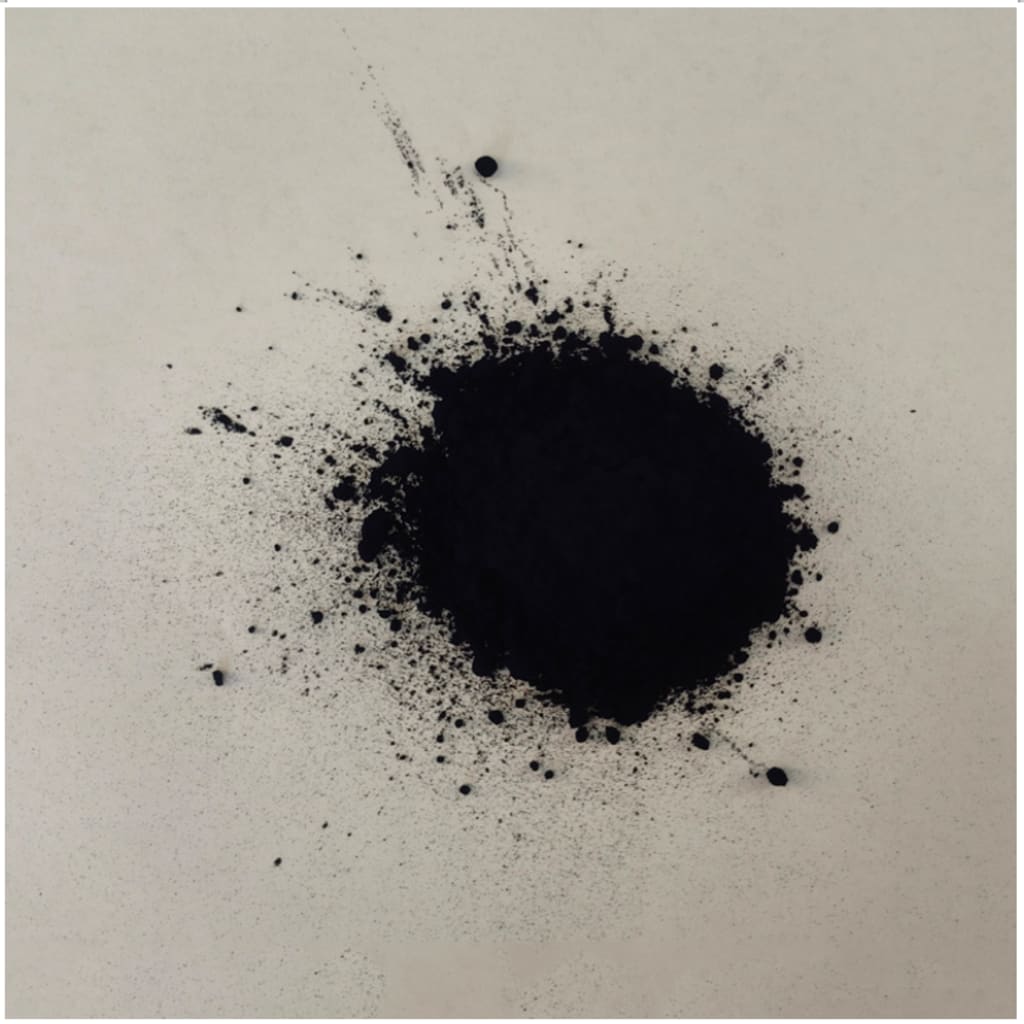
The global textile and dye industry continues to evolve as manufacturers seek more efficient, sustainable, and high-performance coloring solutions. Among the materials attracting attention across the sector is indigo blue granular, a dye form widely used in textile production, particularly denim manufacturing.
Recent developments in dye technology have highlighted the growing importance of granular dyes. Industry experts point to improved handling, enhanced workplace safety, and better process efficiency as key reasons behind their increasing adoption. As manufacturers modernize operations, indigo blue granular products are becoming an essential part of production strategies worldwide.
Growing Demand Across the Textile Industry
The popularity of denim remains strong in global fashion markets. This sustained demand has encouraged dye manufacturers to focus on solutions that deliver reliable color quality while supporting efficient production.
Indigo blue granular products have gained recognition because they provide consistent coloration and improved dispersibility compared with traditional powder forms. Their uniform particle structure helps manufacturers maintain stable dyeing conditions and achieve repeatable results.
Industry reports suggest that textile producers are increasingly investing in materials that reduce waste and improve operational consistency. Granular dye technology aligns well with these objectives.
Why Granular Dyes Are Receiving Attention
One of the major challenges in industrial dyeing involves handling fine powder materials. Powder dyes can create airborne particles during transportation and mixing processes.
Granular formats help address this concern. Their larger particle size reduces dust generation and improves workplace cleanliness. Many production facilities view this as a practical step toward improving employee safety and operational efficiency.
Another advantage involves easier storage and transportation. Granular materials are generally simpler to handle, making them attractive for large-scale manufacturing environments.
Technology Driving Better Production Results
Advancements in dye manufacturing technology have improved product consistency across the industry. Modern production systems emphasize strict quality control and precise formulation methods.
These improvements contribute to more reliable dye performance during textile processing. Manufacturers benefit from predictable results, reduced rework, and improved resource utilization.
Companies such as INNER MONGOLIA WU XIN CHEMICAL CO. LTD have participated in this evolving market by focusing on the production of indigo blue granular products that meet international industrial requirements.
The emphasis across the industry remains on maintaining product quality while supporting increasingly complex manufacturing operations.
Sustainability Becomes a Key Industry Priority
Environmental responsibility has become one of the most discussed topics in chemical and textile manufacturing. Governments, brands, and consumers are placing greater pressure on supply chains to reduce environmental impact.
This shift has encouraged manufacturers to evaluate every stage of production, including dye selection and application methods.
Granular dye products are often viewed as part of broader sustainability initiatives. Improved handling characteristics can reduce material loss during processing. Better dispersion may also contribute to more efficient dye utilization.
Many dye producers are investing in cleaner production technologies, waste reduction programs, and compliance with international environmental standards. These efforts reflect the industry's transition toward more sustainable manufacturing practices.
Supporting Global Manufacturing Growth
The chemical raw materials sector plays a critical role in supporting industrial development. As textile production expands in emerging and established markets, demand for dependable dye solutions continues to grow.
Manufacturers require materials that can perform consistently across different production environments. Product reliability has become increasingly important as companies seek to improve efficiency and reduce operational risks.
The ability to maintain color consistency across large production runs remains a significant factor influencing purchasing decisions within the dye industry.
As global supply chains become more interconnected, exporters and suppliers are expected to deliver products that meet strict quality expectations while supporting efficient logistics operations.
Market Trends Point Toward Continued Expansion
Industry analysts anticipate steady growth within the textile chemicals market over the coming years. Several factors contribute to this outlook.
Consumer demand for denim remains strong. Sustainable manufacturing initiatives continue to gain momentum. Production facilities are adopting modern technologies to improve performance and competitiveness.
These trends create favorable conditions for innovative dye solutions, including indigo blue granular products.
Experts believe that companies capable of combining quality, efficiency, and environmental responsibility will be well positioned to meet future market demands.
Looking Ahead
The future of dye manufacturing will likely be shaped by a combination of technological innovation and sustainability objectives. Manufacturers are seeking materials that support both production efficiency and environmental goals.
Indigo blue granular products represent one example of how traditional dye technologies continue to evolve. Their practical advantages, combined with growing industry demand, make them an important component of modern textile production.
As the market continues to advance, manufacturers, suppliers, and technology developers will play a central role in delivering solutions that support the next generation of global dye manufacturing.
About the Creator
Emily Carter
Emily Carter is a freelance writer focused on SEO, digital marketing, content publishing, and online business trends. Her articles provide insights into search optimization, content strategy, and the evolving world of digital media.
Enjoyed the story? Support the Creator.
Subscribe for free to receive all their stories in your feed.
Comments
There are no comments for this story
Be the first to respond and start the conversation.