
How Independent Artists Can Promote Music Videos on YouTube Without a Record Label
Independent artists can grow music videos on YouTube without a record label by combining strong content, YouTube SEO, Shorts, audience engagement, promotion strategies, and consistent publishing to build long-term audience growth.
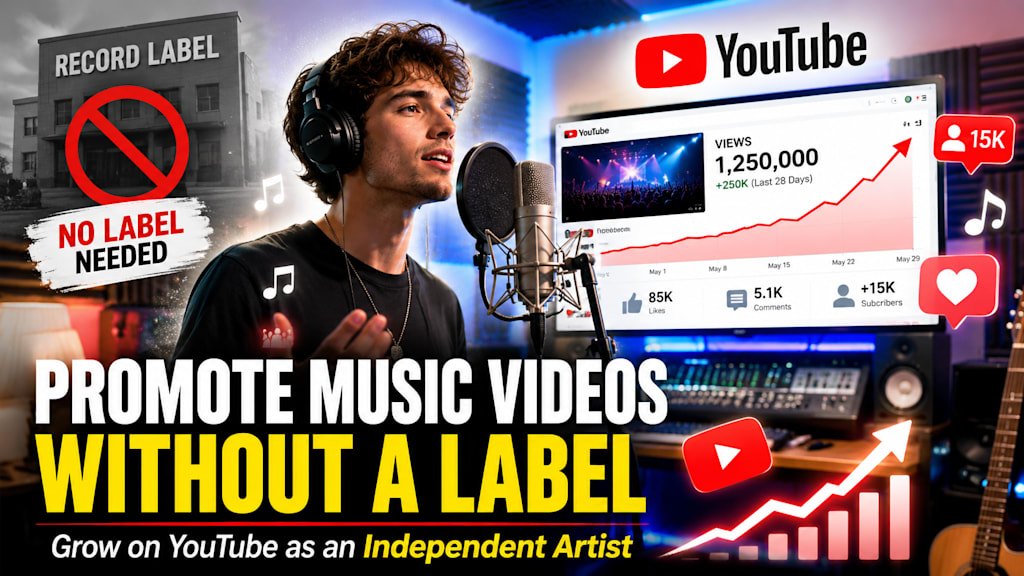
For a long time, getting serious exposure in the music industry usually meant signing with a record label. Labels had the connections, marketing budgets, and industry contacts needed to put artists in front of large audiences.
Things are different now.
YouTube has given independent musicians a chance to build an audience on their own terms. Many artists are gaining thousands—even millions—of views without major label support. The challenge isn't access anymore. The challenge is knowing how to get your music videos discovered by the right people.
There are many ways independent musicians can grow online, and understanding YouTube promotion for independent artists is a great place to start. The artists who consistently gain traction are usually the ones who combine quality music with smart visibility strategies rather than relying solely on luck or algorithm changes.
Focus on Creating a Strong First Impression
Before thinking about promotion, make sure your music video is ready to compete for attention.
YouTube users decide within seconds whether they'll keep watching. A professional-looking thumbnail, a clear title, and an engaging opening can make a huge difference.
For example, if you're releasing an acoustic version of a song, the title should clearly communicate that. The thumbnail should immediately tell viewers what they're about to watch without looking cluttered or confusing.
Promotion can bring people to a video, but the content itself is what convinces them to stay.
Optimize Your Video for YouTube Search
Many artists upload a music video and assume YouTube will automatically find an audience for it.
Unfortunately, that's not how the platform works.
YouTube is also a search engine. People search for genres, artists, moods, covers, tutorials, and new music every day. Optimizing your title, description, and keywords helps YouTube understand what your video is about.
For example, instead of uploading a video with a vague title like "New Song 2026," a title that includes the song name, artist name, and genre gives YouTube much more context.
Small SEO improvements can help a video remain discoverable long after release day.
Build Content Around Your Music
One common mistake independent artists make is only uploading official music videos.
While music videos are important, additional content often helps channels grow faster.
Consider creating:
• Behind-the-scenes footage
• Songwriting sessions
• Studio updates
• Acoustic performances
• Short-form clips and highlights
Imagine someone discovers your music video and enjoys it. If they visit your channel and find more related content, they're much more likely to subscribe and stay connected.
The goal is to build a complete artist presence rather than relying on a single upload.
Use Shorts to Expand Your Reach
YouTube Shorts continue to be one of the easiest ways for smaller artists to reach new viewers.
A short clip from a chorus, a recording session, or a live performance can introduce your music to people who have never heard of you before.
You don't need expensive production for Shorts. Often, simple and authentic moments perform surprisingly well.
Many independent musicians now use Shorts as an entry point and then direct interested viewers toward full-length music videos.
Promote Your Videos Beyond YouTube
While organic promotion is important, some artists also explore paid advertising to reach new listeners. If you're considering that route, there's a detailed discussion on YouTube Ads for Musicians: Are They Worth It in 2026? which explains how advertising can fit into a broader music promotion strategy and what results artists should realistically expect.
Even great videos sometimes need an initial push.
Share your releases across social media platforms, artist communities, email newsletters, and fan groups where appropriate. The more relevant people who see your content early, the more engagement signals YouTube receives.
For example, if you're active on Instagram, posting teaser clips before release day can generate curiosity and encourage viewers to watch the full video when it goes live.
Promotion works best when it reaches people who genuinely enjoy your style of music.
Collaborate With Other Creators and Artists
Collaboration remains one of the most effective growth strategies for independent musicians.
This doesn't always mean recording a song together. It can be:
• Interviews
• Live streams
• Cover song collaborations
• Music discussions
• Guest appearances
When two creators share audiences, both benefit from increased visibility.
A collaboration introduces your music to listeners who already enjoy similar content, making them more likely to engage with your channel.
Encourage Real Engagement
Views alone don't build a fanbase.
Comments, likes, shares, watch time, and subscriptions tell YouTube that viewers are genuinely interested in your content.
Simple actions can encourage interaction:
• Ask viewers which song they want to hear next
• Invite feedback on upcoming releases
• Respond to comments regularly
• Engage with your audience after publishing
The stronger the engagement, the more likely YouTube is to continue recommending your videos.
Stay Consistent Instead of Chasing Virality
Many artists upload one music video, hope it goes viral, and become discouraged when it doesn't happen.
In reality, most successful independent musicians grow gradually.
One video attracts a few new listeners. Another brings a few more. Over time, the audience grows larger and more loyal.
Consistency helps both viewers and YouTube understand what your channel represents. Whether you upload weekly, biweekly, or monthly, maintaining a regular schedule creates momentum.
Long-term growth almost always beats short-term spikes.
Learn From Your Analytics
YouTube provides valuable data that many creators ignore.
Look at:
• Audience retention
• Watch time
• Traffic sources
• Viewer demographics
• Click-through rate
For example, if viewers consistently leave during a certain section of your music videos, you may discover opportunities to improve future releases.
The more you understand your audience, the easier it becomes to create content they want to watch.
Final Thoughts
Independent artists no longer need a record label to build an audience on YouTube. While labels can provide resources and industry connections, today's musicians have access to tools that were unavailable just a few years ago.
Success comes from combining great music with smart promotion, audience engagement, consistency, and patience. Instead of focusing solely on getting more views, focus on building a community around your music.
Over time, those genuine connections often become the foundation for lasting growth.
FAQs
1. Can independent artists really grow on YouTube without a record label?
Yes. Many artists have built successful careers through consistent content creation, audience engagement, YouTube SEO, and strategic promotion without signing to a label.
2. How often should musicians upload content to YouTube?
Consistency matters more than frequency. Whether it's weekly or biweekly, maintaining a predictable upload schedule helps build audience expectations.
3. Are YouTube Shorts useful for music promotion?
Absolutely. Shorts can expose your music to new audiences quickly and often help drive viewers toward full-length music videos.
4. Should artists only upload official music videos?
No. Behind-the-scenes content, acoustic performances, studio sessions, and artist updates can help strengthen audience relationships and increase channel activity.
5. How important is YouTube SEO for musicians?
Very important. Optimized titles, descriptions, and keywords help YouTube understand your content and improve discoverability through search.
6. What is the biggest mistake independent artists make on YouTube?
Many artists focus only on uploading music videos while neglecting promotion, audience engagement, and consistent content creation. These elements are often just as important as the music itself.
About the Creator
Enjoyed the story? Support the Creator.
Subscribe for free to receive all their stories in your feed.
Comments
There are no comments for this story
Be the first to respond and start the conversation.