
How Frame Thickness and Welding Quality Influence Self Loading Mixer Prices
Frame Thickness and Welding Quality Influence Self Loading Mixer Prices

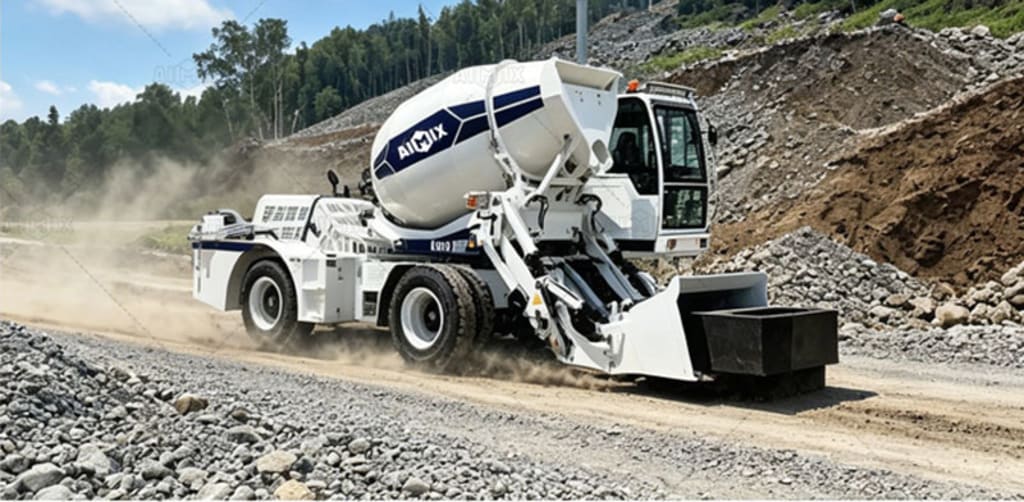
When evaluating self loading concrete mixer prices, most buyers instinctively focus on drum capacity, engine horsepower, and hydraulic system specifications. These are visible, quantifiable parameters that translate readily into comparative tables and procurement justifications. Yet beneath these headline figures lies a structural foundation that more profoundly determines both the machine's operational longevity and its true market value — the thickness of the steel frame and the quality of the welding that binds it together. These two manufacturing variables, frequently overlooked during equipment evaluation, exert a disproportionate influence on self loading concrete mixer machine price differentials between ostensibly similar machines and ultimately on the total cost of ownership across the operational lifespan.
The Structural Role of Frame Thickness in Self Loading Mixer Engineering
Load Distribution and Torsional Stress Resistance
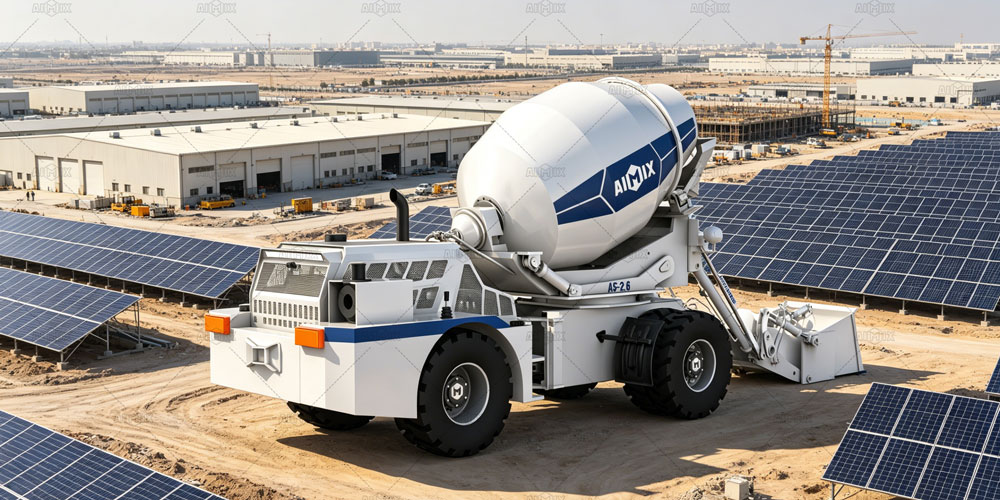
A self loading concrete mixer operates under continuous and complex mechanical loading conditions that few other construction machines replicate. The simultaneous demands of four-wheel-drive terrain traversal, elevated bucket loading cycles, rotating drum agitation, and discharge articulation impose multi-directional stress vectors across the mainframe throughout every operational hour. Frame thickness — specifically the wall thickness of primary structural hollow sections and the plate gauge of gusset assemblies — determines the machine's capacity to distribute these stresses without accumulating fatigue damage over time. Manufacturers specifying Q345B high-tensile structural steel in wall thicknesses of 10 to 16 millimetres for primary longitudinal members produce machines with demonstrably superior torsional rigidity compared to competitors employing thinner Q235 mild steel sections of 6 to 8 millimetres. This material and dimensional difference is invisible during a static inspection but manifests unmistakably across thousands of operational hours as differential rates of frame distortion, drum mounting misalignment, and structural cracking. Machines built to the heavier specification command price premiums of 15 to 25 percent over thinner-framed alternatives — a differential that reflects genuine engineering value rather than commercial opportunism.
Long-Term Fatigue Performance and Maintenance Cost Implications
Structural fatigue in self loading mixer frames does not typically manifest as sudden catastrophic failure. It progresses insidiously. Initial stress concentration points develop microscopic fissures at weld toes and section transitions. These propagate gradually under cyclic loading until visible cracking emerges — usually at the most mechanically stressed junctions between the mainframe, front axle mounting plates, and drum support cradle. Remediation at this stage requires specialist structural welding, potential frame straightening, and extended operational downtime that imposes costs wholly disproportionate to the savings achieved through the original purchase of a thinner-framed, lower-priced machine. Over a five-year operational horizon encompassing 4,000 to 7,000 working hours, the cumulative maintenance expenditure differential between adequately thick-framed and undersized-frame machines frequently reverses any initial procurement saving, often substantially. Buyers who incorporate lifecycle cost modelling into their equipment evaluation process consistently identify frame thickness specification as one of the highest-return procurement criteria available.
Welding Quality as a Primary Determinant of Structural Integrity and Price
Welding Process Selection and Joint Penetration Standards
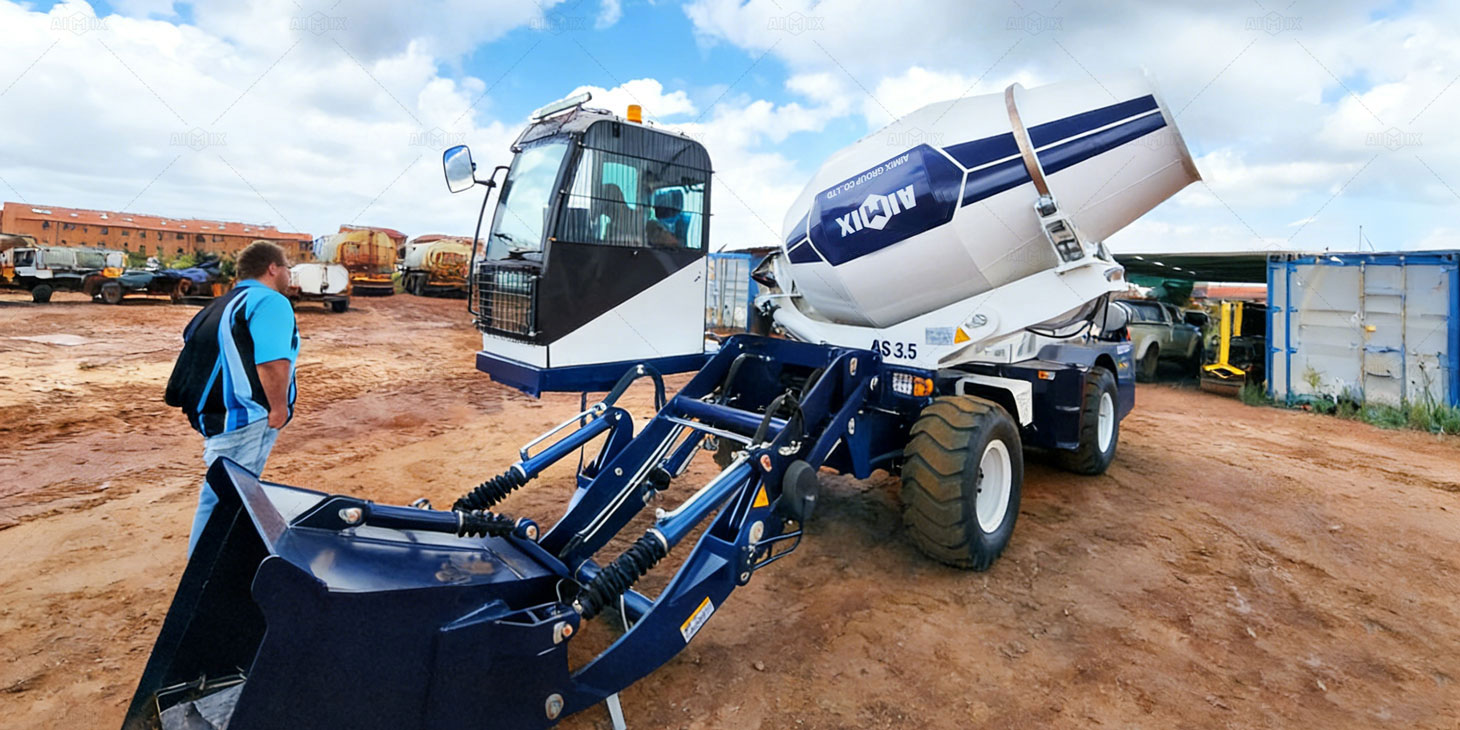
The method by which steel frame components are joined is as consequential as the material specification of the sections themselves. Premium self loading large concrete mixer manufacturers employ CO2 gas-shielded metal arc welding or submerged arc welding processes for primary structural joints, achieving full penetration weld profiles with controlled heat input that minimises heat-affected zone embrittlement. These processes, executed by certified welding operators following qualified welding procedure specifications, produce joints whose mechanical properties approach or equal the base material strength — the engineering ideal for dynamically loaded structural connections. Lower-tier manufacturers relying on manual metal arc welding applied by uncertified operators produce joints characterised by inconsistent penetration depth, porosity, undercut defects, and slag inclusions that collectively reduce joint fatigue strength to well below base material values. The capital investment required to establish and maintain certified welding operations — encompassing welder qualification testing, welding procedure qualification records, non-destructive examination protocols, and quality management documentation — is substantial and is accurately reflected in the higher prices that quality-conscious manufacturers charge for their machines.
Non-Destructive Examination and Quality Assurance Protocols
Weld quality cannot be reliably assessed through visual inspection alone. Subsurface defects — lack of fusion, internal porosity, hydrogen-induced cracking — are invisible to the naked eye yet capable of initiating premature fatigue failure under operational loading. Manufacturers who subject critical structural welds to systematic non-destructive examination using ultrasonic testing or magnetic particle inspection methods invest in quality assurance infrastructure that adds measurable cost to each machine produced. This cost is passed through to market pricing and represents a legitimate price premium that buyers should recognise rather than resist. The alternative — purchasing machines whose weld quality is assured only by visual examination or not examined at all — introduces structural reliability uncertainty that constitutes a latent financial liability of indeterminate but potentially severe magnitude.
Evaluating Price Differentials Through a Structural Quality Framework
Identifying Frame and Weld Specifications During Equipment Procurement
Translating an understanding of frame thickness and welding quality into practical procurement decision-making requires buyers to request and interrogate specific technical documentation rather than accepting general quality claims at face value. Material mill certificates confirming steel grade and mechanical properties, welding procedure specifications detailing process parameters and joint designs, welder qualification records, and non-destructive examination reports for critical joints collectively constitute the documentary evidence of structural quality that serious manufacturers can produce and lesser manufacturers cannot. Requesting this documentation during supplier evaluation efficiently segregates manufacturers whose quality claims are substantiated from those whose pricing reflects material and process economies that buyers will ultimately subsidise through elevated operational maintenance expenditure. Price comparisons conducted without
About the Creator
AIMIX
Construction Machine Manufacturer in China. Find Machines here: https://aimixconcretesolution.com/
Enjoyed the story? Support the Creator.
Subscribe for free to receive all their stories in your feed.
Comments