
How Direct-to-Garment Printing Changed Small-Scale Apparel Production
Exploring how digital garment printing reshaped custom apparel production, enabling small businesses and independent creators to produce personalized designs with greater flexibility.

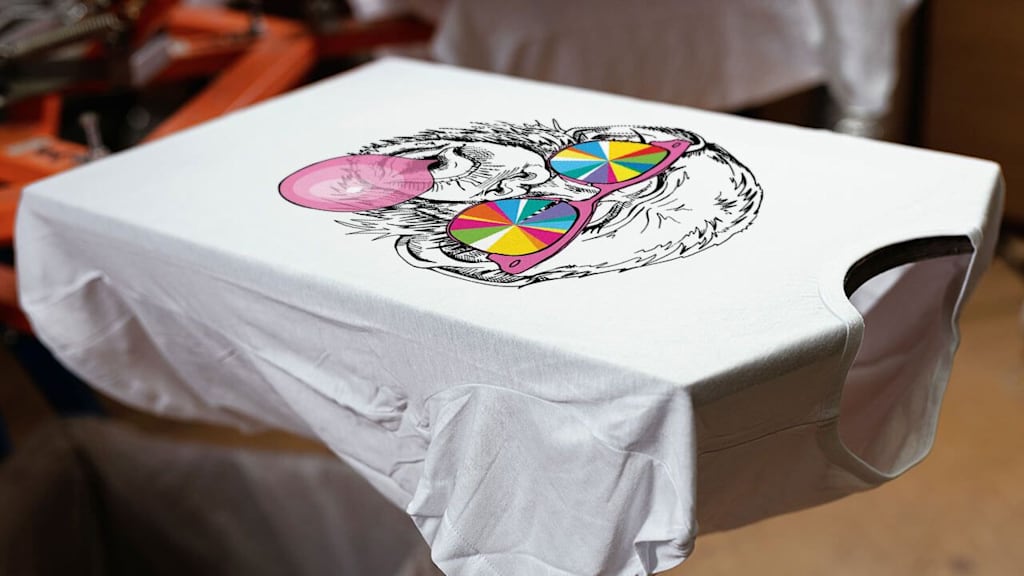
The way clothing is designed and produced has shifted dramatically over the past two decades. Independent creators, small businesses, and local apparel brands no longer rely entirely on large manufacturing facilities to bring custom designs to life. Technologies like DTG Printer have contributed to this transformation by making on-demand garment printing more accessible.
Unlike traditional screen printing, which often requires setup costs and becomes more economical with high-volume production, direct-to-garment printing focuses on flexibility. The process allows designs to be printed directly onto fabric, making short runs and individualized products easier to produce.
Understanding Direct-to-Garment Printing
Direct-to-garment printing refers to a digital printing method where specialized inkjet technology applies ink directly onto textiles. The approach is commonly used for custom apparel, including T-shirts, hoodies, and other fabric products.
This method differs from traditional printing techniques in several ways:
- Minimal setup requirements compared with screen printing
- Ability to print complex, multicolor designs
- Greater suitability for one-off or limited-edition products
- Reduced inventory pressure for small businesses using print-on-demand models
Because designs can be printed individually, creators are able to experiment with niche concepts without committing to large production quantities.
Why Small Businesses Adopt Digital Garment Printing
The growth of independent online stores has increased demand for flexible manufacturing tools. Entrepreneurs often start with limited budgets and uncertain demand. Producing hundreds of identical items before understanding customer preferences can create financial risk.
Digital garment printing supports a different model: producing only what is needed.
A small apparel startup may test several graphic concepts simultaneously and identify which styles attract attention before scaling production. This lowers waste while increasing adaptability.
As consumer interest shifts toward personalized products, custom printing technologies become more relevant. Buyers increasingly expect unique items rather than standardized designs.
The Relationship Between Creativity and Manufacturing
Historically, apparel production was closely tied to manufacturing capacity. Large brands held advantages because they could afford expensive equipment and mass production.
Digital printing has altered some of those dynamics.
Independent artists, musicians, gaming communities, and niche online groups can now create limited apparel collections without entering traditional manufacturing pipelines. This does not eliminate challenges such as marketing or logistics, but it changes access to production itself.
The result is a broader ecosystem where creativity and experimentation face fewer technical barriers.
Environmental Questions Around On-Demand Production
Discussions about sustainability frequently emerge when evaluating manufacturing technologies.
On-demand production may reduce overproduction because items are created after purchase rather than stocked in advance. Unsold inventory has long been a challenge within fashion industries, contributing to material waste.
However, environmental impact depends on multiple factors, including:
- Ink composition
- Energy consumption
- Fabric sourcing
- Shipping distances
- Product lifespan
No production method is automatically sustainable, but reduced excess inventory remains an important topic in conversations about modern apparel manufacturing.
The Expanding Role of Printing Technologies Beyond Garments
Digital printing technologies continue expanding into new categories. Equipment associated with a UV Printer Factory often supports printing on rigid materials such as acrylic, glass, metal, or wood. Similarly, developments in textile printing continue influencing customized merchandise production.
The broader trend reflects increasing demand for short-run manufacturing and personalized products across industries.
Customization is becoming less of a premium service and more of an expected option.
Challenges That Still Exist
Although digital garment printing creates opportunities, limitations remain.
Print durability can vary depending on materials and maintenance practices. Production speed may not match methods optimized for very large quantities. Equipment costs, maintenance, and technical expertise also influence adoption.
For businesses considering apparel production, selecting a printing method depends on expected volume, design complexity, and operational goals rather than one technology universally outperforming another.
Looking Ahead
The future of apparel production appears increasingly shaped by flexibility. Consumers expect faster turnaround times, individualized products, and niche designs aligned with specific interests or communities.
Technologies emerging from the broader DTG Printer Factory ecosystem illustrate how manufacturing continues moving toward smaller production runs and greater customization.
Whether this leads to more sustainable production models or simply new forms of consumer choice remains an ongoing question. What is clear is that digital printing has changed who can participate in apparel creation—and that shift continues influencing how products move from idea to finished garment.
About the Creator
Enjoyed the story? Support the Creator.
Subscribe for free to receive all their stories in your feed.
Comments
There are no comments for this story
Be the first to respond and start the conversation.