
How Can You Buy Authentic Dermal Fillers Online in the USA?
A practical guide to verifying dermal fillers before buying online.

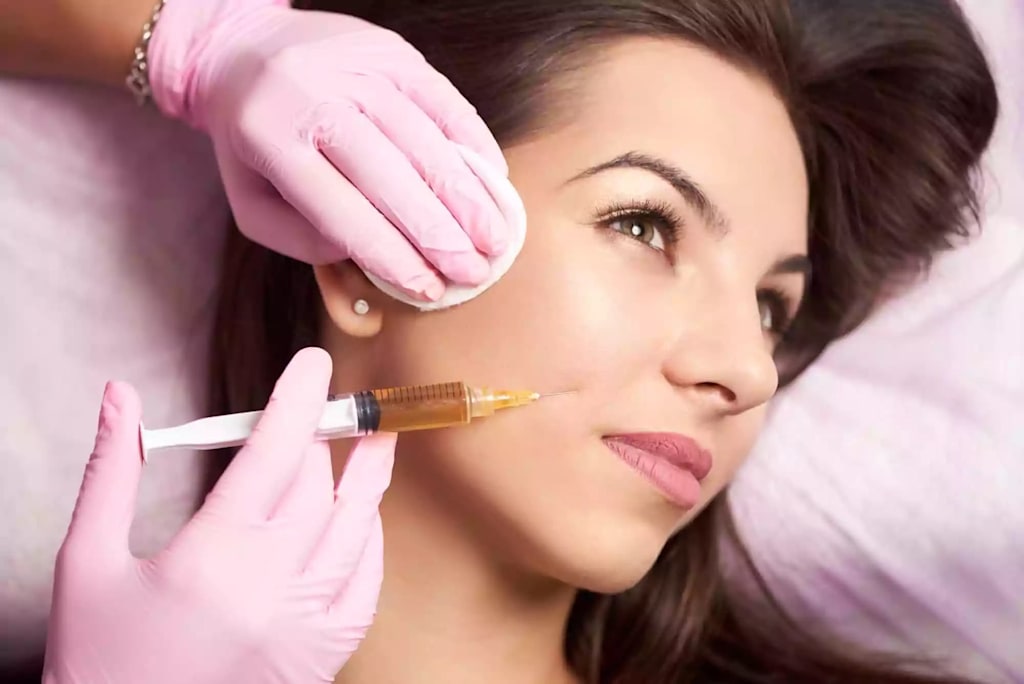
Buying dermal fillers online may seem as simple as searching for a familiar brand, comparing prices, and placing an order. But injectable aesthetic products are very different from ordinary skincare products.
Dermal fillers are placed beneath the skin, and their safety depends on more than the appearance of the packaging. The product's source, regulatory status, storage, handling, and the qualifications of the person administering it all matter.
For that reason, anyone researching dermal fillers online should look beyond price and product photographs. The more important question is whether the product comes through a legitimate and traceable supply chain.
This guide explains what consumers and licensed professionals should consider when evaluating dermal fillers sold online in the United States.
Why Does Authenticity Matter?
Dermal fillers are injectable products designed to add volume or modify the appearance of specific areas of the face. Depending on the product and its authorized use, they may be used for areas such as the lips, cheeks, facial lines, and other parts of the face.
Because these products are injected into the body, authenticity matters considerably.
A legitimate-looking website does not automatically prove that a product is genuine. A seller can display professional photographs, recognizable trademarks, and detailed product descriptions without demonstrating where the products came from.
Before purchasing, buyers should therefore consider several questions:
Who manufactured the product?
Where did the seller obtain it?
Is the seller an authorized distributor?
Is the specific product intended and authorized for the U.S. market?
What documentation is available?
Does the seller have appropriate professional purchasing requirements?
How are the products stored and shipped?
These questions provide a much better indication of the reliability of a supplier than a website's appearance alone.
Buying Online Does Not Mean Buying From Anyone
One common misunderstanding is that an online listing means a product is available for unrestricted purchase.
That is not necessarily the case.
Some manufacturers and professional medical suppliers use online ordering systems specifically for verified healthcare professionals and businesses. An online portal may therefore function as a purchasing system for an established professional customer rather than as an ordinary consumer marketplace.
Depending on the product and applicable requirements, suppliers may request information about a buyer's professional credentials before allowing an order.
This distinction is particularly important for injectable aesthetic products.
Manufacturer-Direct Purchasing
Some medical and aesthetic product manufacturers operate professional purchasing programs or work through authorized distributors.
Purchasing through an established manufacturer relationship can make the supply chain easier to understand because there is a clearer connection between the product manufacturer and the professional customer.
However, consumers should not assume that every website using a manufacturer's branding is operated by that manufacturer.
When evaluating a supplier, look for verifiable information about the company's identity and its relationship with the manufacturer.
If a seller claims to be an authorized distributor, buyers can ask for information supporting that claim rather than relying solely on advertising language.
Why Authorized Distributors Matter
Authorized distributors can play an important role in the medical-aesthetic supply chain.
A distributor may supply products to qualified clinics, medical practices, and other professional customers. Established distributors generally have identifiable business information and defined purchasing procedures.
For a professional buyer, this can be more meaningful than simply finding the lowest advertised price.
A supplier should be able to provide basic information about its business and the products it sells. Depending on the product, relevant documentation may include invoices, product information, lot details, expiration information, and other records that help establish traceability.
The exact requirements vary by product and supplier.
Be Careful With International Versions of Popular Products
Another issue that deserves attention is the difference between authenticity and U.S. authorization.
A product can be manufactured by a legitimate company and still be intended for a market outside the United States.
Different countries can have different regulatory requirements, product formulations, packaging, labeling, indications, and distribution systems.
Consequently, seeing a familiar brand name on an international website does not automatically establish that the particular version is authorized for sale or use in the United States.
Professional buyers should verify the status of the exact product rather than relying only on its brand name.
Why Extremely Low Prices Deserve a Second Look
Price is naturally important when comparing suppliers, especially for businesses purchasing inventory.
However, an unusually low price should encourage further investigation rather than immediately being treated as a bargain.
There may be legitimate reasons for price differences. Suppliers can have different operating costs, purchasing arrangements, promotional offers, or volume discounts.
At the same time, a large difference in price can raise questions about sourcing.
Before accepting an unusually cheap offer, consider asking:
Is the product genuine?
Is it intended for the U.S. market?
Who is the actual seller?
Is the seller authorized?
Can the seller explain the product's supply chain?
Is professional verification required?
Are the products stored and transported appropriately?
Can the seller provide normal purchasing documentation?
The price should be considered alongside the reliability and traceability of the supplier.
What About B2B Marketplaces?
Large business-to-business marketplaces can make it easy to discover suppliers from different countries.
They can be useful for researching products and identifying potential business relationships, but a marketplace listing by itself does not establish that an individual seller is an authorized distributor.
This distinction is particularly important when dealing with injectable products.
Instead of evaluating only the marketplace, investigate the individual supplier.
Look for information about:
The company's legal identity
Business location
Contact information
Manufacturer relationships
Distribution authorization
Product documentation
Professional purchasing requirements
Shipping and handling procedures
A large marketplace can host thousands of sellers with very different business practices. The platform's size should not be treated as proof of an individual seller's credentials.
How Can You Evaluate an Online Dermal Filler Supplier?
Think of supplier research as a verification process rather than a simple shopping exercise.
A professional supplier should provide enough information for a potential customer to understand who is selling the product and where it comes from.
1. Check the Business Identity
Look for a real business name, physical or business address, customer-service information, and other identifying details.
Be cautious if a seller provides little information about the company behind the website.
2. Investigate the Supply Chain
Ask where the products are sourced.
A seller should be able to explain whether products come directly from a manufacturer, through an authorized distributor, or through another established channel.
3. Verify the Exact Product
Do not verify only the brand.
Check the exact product name, packaging, labeling, intended market, and other identifying information.
4. Ask About Professional Requirements
If a supplier sells professional injectable products, determine whether it verifies the credentials of its customers.
A supplier that appears to encourage customers to bypass appropriate professional requirements deserves additional scrutiny.
5. Look at Documentation
Depending on the transaction, documentation can help establish traceability.
For professional buyers, invoices and product information can be important records for inventory management and verification.
6. Consider Storage and Shipping
Injectable products may have specific storage and handling requirements.
Ask how products are stored and transported, particularly when purchasing from an unfamiliar supplier.
Can Licensed Professionals Buy Dermal Fillers Online?
Licensed healthcare professionals may use online purchasing systems operated by manufacturers, distributors, and professional medical suppliers.
However, the exact purchasing requirements depend on the product, supplier, professional credentials, and applicable laws and regulations.
The important point is that an online ordering system does not necessarily mean unrestricted consumer access.
For a professional customer, online ordering may simply be a digital version of a traditional medical-supply purchasing relationship.
What About Buying Dermal Fillers in Bulk?
Bulk purchasing can make sense for medical practices and aesthetic businesses that regularly use specific products.
However, larger orders also increase the importance of supplier verification.
Before placing a significant order, professional buyers should establish who the supplier is, where the products originate, and what documentation will accompany the transaction.
It can also be useful to begin with appropriate due diligence before committing to a large quantity.
A lower unit price is not necessarily beneficial if the underlying supply chain cannot be adequately verified.
Why Consumers Should Not Treat Fillers Like Ordinary Skincare
There is an important difference between purchasing a topical cosmetic product and obtaining an injectable treatment.
A moisturizer, cleanser, or cosmetic serum is generally applied to the surface of the skin. Dermal fillers are injected beneath the skin and require knowledge of anatomy, product characteristics, injection technique, and potential complications.
Authenticity is therefore only one part of the safety equation.
Even a genuine product should not be treated as a DIY skincare product.
Consumers interested in dermal filler treatment should focus on finding an appropriately qualified healthcare professional rather than attempting to purchase and inject the product themselves.
What Should Consumers Ask Before Getting Dermal Fillers?
For someone interested in treatment, the most useful questions may be directed to the practitioner rather than an online seller.
Consider asking:
What specific product will be used?
What is the product authorized for?
Where does the practice obtain its products?
What qualifications and experience does the practitioner have?
What are the potential risks and side effects?
What should I expect during recovery?
What happens if a complication occurs?
What follow-up care is available?
These questions help shift the focus from simply finding a product to understanding the complete treatment.
Authentic Does Not Always Mean Authorized for the U.S. Market
This is one of the most important distinctions for anyone researching dermal fillers online.
Authenticity and regulatory authorization are not the same thing.
A product can potentially be genuine while still being intended for a different country or market.
For example, an international product may have packaging, labeling, or authorized uses that differ from the version marketed in the United States.
Therefore, professional buyers should ask two separate questions:
Is the product genuine?
and
Is this specific product appropriately authorized and sourced for the U.S. market?
Both questions matter.
Warning Signs to Watch For
No single warning sign automatically proves that an online supplier is illegitimate. However, several factors together should encourage additional research.
Potential warning signs include:
Prices that appear dramatically lower without a clear explanation
Limited information about the seller
No identifiable business address
Unclear product origin
Vague answers about distribution
Pressure to purchase large quantities immediately
No meaningful documentation
Claims that professional requirements can simply be bypassed
Products apparently intended for another market
Unclear storage or shipping conditions
A professional-looking website is not enough to resolve these concerns.
What Is the Better Approach for Consumers?
Consumers generally do not need to become wholesale buyers of injectable products.
If your goal is to receive dermal filler treatment, a more appropriate starting point is consultation with a qualified healthcare professional.
During the consultation, ask about the product, its intended use, the practitioner's qualifications, possible risks, expected results, and follow-up care.
This approach also gives you an opportunity to discuss whether dermal fillers are appropriate for your particular treatment goals.
Final Thoughts
Buying dermal fillers online in the United States requires more research than simply searching for a recognizable brand or the lowest price.
For licensed professionals, the key considerations include the supplier's identity, distribution relationship, product documentation, regulatory status, and supply-chain traceability.
For consumers, the focus should be different. Rather than purchasing injectable products from an unknown website, consumers should seek treatment from an appropriately qualified healthcare professional and ask questions about the product and its source.
Perhaps the most important distinction is this:
A product being listed online does not, by itself, prove that it is authentic, authorized for the U.S. market, or appropriate for a particular buyer.
Taking time to verify the supplier and understand the product's regulatory status can help buyers make more informed decisions.
Frequently Asked Questions
Can you buy authentic dermal fillers online in the USA?
Some manufacturers, distributors, and professional medical suppliers provide online purchasing systems for qualified customers. Access and requirements vary depending on the product and supplier.
Can anyone purchase dermal fillers online?
Not necessarily. Some professional injectable products may be subject to credential or purchasing requirements. An online product listing does not automatically establish that unrestricted consumer purchase is appropriate or authorized.
Are all dermal fillers sold online FDA approved?
No. A product being advertised online does not establish FDA authorization. Buyers should verify the regulatory status of the specific product intended for the U.S. market.
How can you investigate whether a dermal filler is authentic?
Start by investigating the supplier, manufacturer relationship, distribution status, product documentation, labeling, and traceability. Product photographs alone are not sufficient evidence of authenticity.
Can international dermal fillers be sold in the USA?
Products marketed in other countries can have different regulatory status, labeling, or authorized uses. The status of the exact product should be verified before purchase or use in the United States.
Can licensed medical professionals buy dermal fillers online?
Some manufacturers and distributors provide online ordering systems for verified professional customers. Requirements vary by supplier, product, and applicable regulations.
Why are some online dermal fillers cheaper than others?
Price differences can result from factors such as volume purchasing, promotions, distribution arrangements, and operating costs. Unusually low prices should nevertheless prompt additional questions about sourcing and authorization.
Can dermal fillers be purchased from B2B marketplaces?
B2B marketplaces may contain listings for aesthetic products, but the marketplace itself does not necessarily establish that every seller is an authorized distributor. Individual suppliers should be investigated carefully.
Is it safe to buy dermal fillers from an unknown website?
An unknown website may make it difficult to verify product origin, authenticity, regulatory status, storage, and distribution. Buyers should establish the legitimacy and traceability of a supplier before purchasing professional injectable products.
Can someone inject dermal fillers themselves?
Dermal filler injections involve anatomy, injection technique, product selection, and potential complications. Consumers should not treat injectable fillers as ordinary skincare products and should seek treatment from an appropriately qualified healthcare professional.
What should I do if I want dermal filler treatment?
Consider consulting a qualified healthcare professional. Ask about the specific product, its intended use, the practitioner's qualifications, potential risks, expected results, and where the product is sourced.
What is the most important thing to remember when buying dermal fillers online?
Don't evaluate a supplier based on price or website appearance alone. Investigate the manufacturer, supplier, product, regulatory status, documentation, and supply chain before making a decision.
About the Creator
Enjoyed the story? Support the Creator.
Subscribe for free to receive all their stories in your feed.
Comments
There are no comments for this story
Be the first to respond and start the conversation.