
How Brands Are Optimizing Content for ChatGPT & AI Search
AI Search Optimization
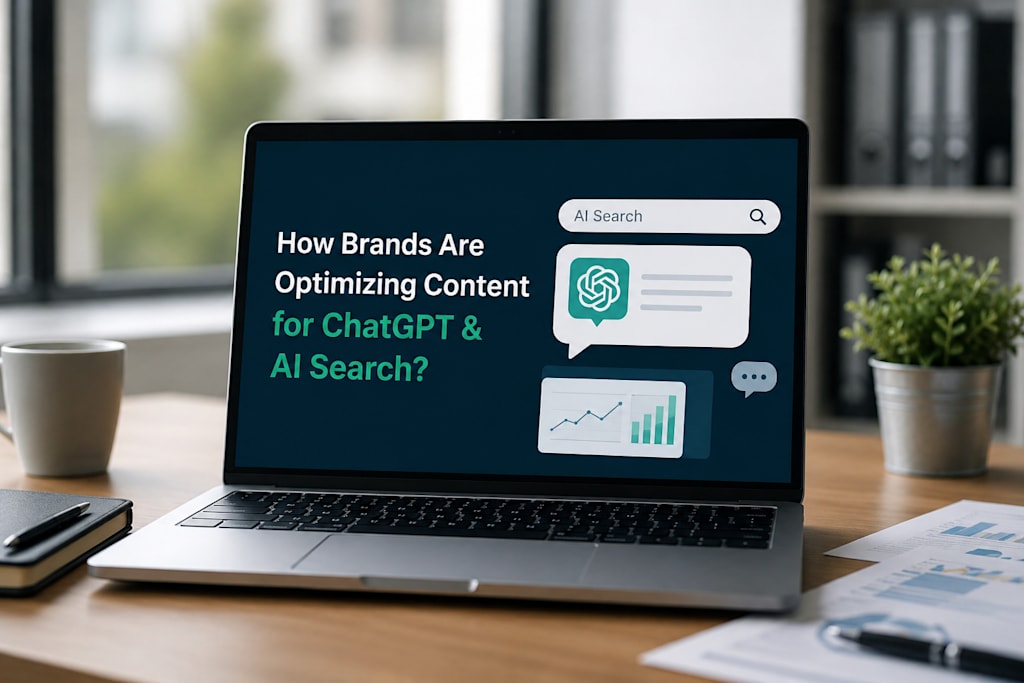
Search behavior is changing faster than ever. People are no longer relying only on traditional Google searches to find answers. Many users now ask questions directly to AI platforms like OpenAI ChatGPT, AI assistants, and AI-powered search engines. This shift is changing the way brands create and optimize content online.
Instead of focusing only on ranking in search results, businesses are now trying to make their content understandable, trustworthy, and usable for AI-generated answers. This new approach is becoming an important part of modern SEO strategies.
Why AI Search Is Changing SEO?
Traditional SEO was mostly focused on keywords, backlinks, and rankings. AI search works differently. Platforms powered by artificial intelligence try to understand user intent, context, and authority before generating answers.
When users ask detailed questions, AI systems often summarize information from multiple trusted sources. This means brands need to create content that is clear, well-structured, and genuinely useful if they want to appear in AI-generated responses.
Businesses that ignore this shift may slowly lose visibility as AI search becomes more common.
Creating Content Around User Intent
Many brands are moving away from keyword stuffing and focusing more on search intent. Instead of writing content only for search engines, they are answering real questions users ask online.
For example, rather than targeting a simple keyword like “SEO tips,” brands now create detailed content such as:
- How AI search affects SEO
- Best ways to optimize content for ChatGPT
- AI search ranking factors businesses should know
This type of content matches conversational searches better and improves visibility across AI platforms.
Building Topical Authority
AI search systems prefer sources that demonstrate expertise in a specific area. Because of this, many brands are focusing on topical authority instead of publishing random blog posts.
A strong topical strategy usually includes:
- Detailed pillar pages
- Supporting blog articles
- FAQ content
- Industry case studies
- Updated statistics and research
When a website consistently publishes high-quality content around one subject, AI systems are more likely to recognize it as a reliable source.
Improving Content Structure
Structured content is becoming more important in AI-driven search environments. Brands are now formatting content in ways that make it easier for AI models to understand.
Some common optimization methods include:
- Clear headings and subheadings
- Short paragraphs
- Question-based sections
- Bullet points
- Simple and direct explanations
Well-organized content improves readability for both users and AI systems.
Focusing on EEAT Signals
Google’s EEAT concept stands for Experience, Expertise, Authoritativeness, and Trustworthiness. These signals are now playing a major role in AI search visibility as well.
Brands are strengthening trust signals by:
- Adding author information
- Publishing original research
- Using expert opinions
- Updating outdated content
- Citing reliable sources
AI systems are more likely to use information from websites that appear credible and trustworthy.
Optimizing for Conversational Queries
People interact with AI search differently compared to traditional search engines. Queries are becoming longer and more conversational.
Instead of typing:
“best SEO tools”
Users now ask:
“What are the best SEO tools for small businesses in 2026?”
To adapt, brands are creating content that naturally answers conversational questions. FAQ sections, discussion-style headings, and problem-solving articles are becoming more effective than overly optimized keyword pages.
Using Schema and Structured Data
Many businesses are also improving technical SEO to help AI systems understand their content better. Structured data and schema markup provide additional context about pages, products, reviews, and articles.
While schema alone will not guarantee visibility in AI-generated answers, it helps search systems interpret information more accurately.
Updating Content More Frequently
Freshness matters more in AI search environments. Outdated information can reduce trust and visibility.
Brands are now updating:
- Statistics
- SEO strategies
- Product information
- Industry trends
- Search algorithm changes
Regular updates help maintain relevance and improve long-term organic performance.
The Future of AI Search Optimization
SEO is no longer limited to ranking on search engine result pages. Brands now need to optimize content for AI assistants, conversational search, and answer-generation systems.
The companies that succeed in this new environment are focusing less on shortcuts and more on quality, clarity, and authority. Human-focused content that genuinely solves problems will continue to perform well, whether it appears in traditional search results or AI-generated responses.
As AI search continues to evolve, businesses that adapt early will have a stronger advantage in building visibility, trust, and long-term traffic online.
About the Creator
Enjoyed the story? Support the Creator.
Subscribe for free to receive all their stories in your feed.
Comments
There are no comments for this story
Be the first to respond and start the conversation.