
How Air Compressor Filters Improve System Performance and Air Quality
Check the Complete Guide
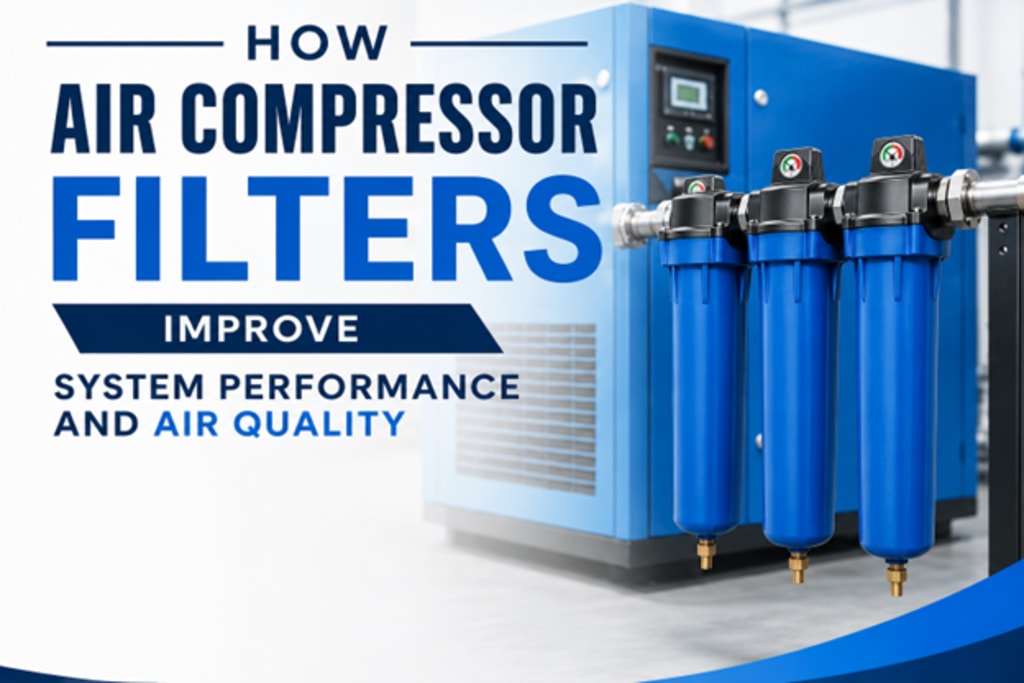
In modern industrial environments, compressed air systems play a major role in powering machinery, automation equipment, and production processes. However, the efficiency and reliability of these systems depend heavily on the quality of the compressed air being delivered. This is where air compressor filters become essential. These filters help remove contaminants such as dust, oil aerosols, moisture, and debris from compressed air systems, ensuring cleaner airflow and better equipment performance.
Industries such as manufacturing, pharmaceuticals, food processing, automotive, hvac and chemical processing rely on clean compressed air for smooth operations. Without proper filtration, contaminants can damage equipment, reduce efficiency, increase maintenance costs, and compromise product quality. By using high-quality air compressor filtration systems, businesses can significantly improve system performance while maintaining excellent air quality standards.
Understanding Air Compressor Filters
Air compressor filters are specialized components designed to remove impurities from compressed air before it reaches pneumatic tools, machinery, or production systems. During the compression process, air naturally collects contaminants from the surrounding environment. These contaminants may include:
● Dust particles
● Oil vapors
● Moisture and water droplets
● Rust and pipe scale
● Microorganisms and pollutants
If these contaminants remain in the system, they can cause corrosion, equipment wear, pressure loss, and operational inefficiencies. Air compressor filters help eliminate these issues by providing cleaner and more reliable compressed air.
There are several common types of filters used in industrial systems, including:
● Particulate filters
● Coalescing filters
● Activated carbon filters
● Moisture separators
● Inline compressed air filters
Each filter type serves a unique purpose and contributes to maintaining overall system efficiency.
How Air Compressor Filters Improve System Performance
1. Reducing Equipment Wear and Damage
Contaminated compressed air can severely damage pneumatic tools, valves, cylinders, and compressors. Dust and debris can create friction within moving components, while moisture can lead to rust and corrosion. By installing effective air compressor filters, industries can reduce internal wear and extend the life of their equipment.
Clean air helps moving parts operate smoothly, minimizing unexpected breakdowns and lowering maintenance requirements. This results in improved operational reliability and reduced downtime.
2. Maintaining Stable Air Pressure
Dirty filters or contaminated air systems can create pressure drops, forcing compressors to work harder to maintain required output levels. This additional strain increases energy consumption and reduces overall system efficiency.
Proper filtration ensures unrestricted airflow and stable pressure throughout the system. Components such as back pressure regulators also help maintain consistent downstream pressure, preventing pressure fluctuations that could negatively affect industrial processes.
Stable air pressure improves productivity, ensures consistent equipment operation, and reduces unnecessary energy costs.
3. Improving Energy Efficiency
Compressed air systems consume a significant amount of electricity in industrial facilities. Contaminated systems often require more energy because compressors must compensate for airflow restrictions and pressure losses.
Clean filters allow air to flow freely, reducing compressor workload and lowering energy consumption. Regular filter maintenance and timely replacement can lead to substantial energy savings over time.
Efficient filtration systems also help facilities meet sustainability goals by reducing power usage and minimizing environmental impact.
4. Preventing Moisture-Related Problems
Moisture is one of the most common problems in compressed air systems. Excess water can damage machinery, contaminate products, and cause corrosion in pipes and fittings.
Air compressor filters with moisture separation capabilities help remove water droplets before they enter sensitive equipment. In industries like food processing and pharmaceuticals, moisture-free air is critical for maintaining product quality and compliance with industry standards.
By controlling moisture levels, businesses can avoid costly repairs and improve the longevity of their systems.
Enhancing Air Quality in Industrial Applications
Cleaner Air for Sensitive Processes
Many industrial applications require extremely clean compressed air. Even small amounts of contamination can affect product quality or damage precision equipment.
Industries that benefit from high-quality compressed air include:
● Pharmaceutical manufacturing
● Electronics production
● Food and beverage processing
● Medical equipment manufacturing
● Automotive painting systems
Air compressor filters help maintain air purity by removing harmful contaminants before the compressed air reaches the application point.
Supporting Workplace Safety
Poor air quality can create unsafe working conditions. Oil vapors, dust particles, and contaminants released from compressed air systems may affect employee health and safety.
Proper filtration reduces airborne contaminants and contributes to a cleaner workplace environment. Cleaner air also minimizes the risk of respiratory issues and improves overall workplace conditions for employees.
Protecting HVAC and Circulation Systems
Compressed air systems often work alongside HVAC equipment in industrial facilities. Contaminants released into the environment can negatively affect heating and cooling systems, including the performance of an hvac circulator pump.
An HVAC circulator pump is responsible for moving heated or cooled water through HVAC systems efficiently. Clean air and reduced contamination help prevent clogging and wear within circulation systems, improving overall building climate control performance.
Maintaining proper filtration in both compressed air and HVAC systems ensures better indoor air quality and energy efficiency throughout the facility.
The Role of Back Pressure Regulators in Air Systems
Back pressure regulators are another important component in industrial compressed air systems. These devices help control upstream pressure by maintaining a predetermined pressure level within the system.
When combined with air compressor filters, back pressure regulators provide several advantages:
● Improved pressure stability
● Better process control
● Reduced equipment stress
● Enhanced airflow efficiency
● Protection against over-pressurization
Industries that require precise pressure control often use back pressure regulators alongside filtration systems to maintain consistent performance and operational safety.
For example, in chemical processing plants, stable air pressure is essential for accurate valve operation and process consistency. Proper filtration and pressure regulation help maintain reliable production conditions.
Common Signs Your Air Compressor Filters Need Replacement
To maintain optimal system performance, filters should be inspected and replaced regularly. Some common signs that indicate filter replacement is necessary include:
● Reduced airflow
● Increased energy consumption
● Pressure drops in the system
● Excessive moisture buildup
● Poor equipment performance
● Visible dirt or contamination in filters
● Unusual compressor noises
Ignoring these warning signs can lead to expensive repairs and reduced equipment lifespan.
Best Practices for Maintaining Air Compressor Filters
Proper maintenance is essential for maximizing the benefits of air compressor filters. Here are some important maintenance tips:
Perform Regular Inspections
Inspect filters frequently for signs of clogging, dirt buildup, or damage. Scheduled inspections help identify problems before they become serious.
Replace Filters on Schedule
Manufacturers typically recommend replacement intervals based on operating conditions and system usage. Replacing filters on time ensures consistent performance and efficiency.
Monitor Pressure Drops
A sudden pressure drop often indicates restricted airflow caused by dirty filters. Monitoring system pressure can help detect filtration issues early.
Use High-Quality Filters
Investing in high-quality filtration systems provides better contaminant removal and longer service life. Premium filters may cost more initially but often reduce long-term maintenance expenses.
Maintain the Entire Compressed Air System
Filtration works best when the entire compressed air system is properly maintained. Regular compressor servicing, moisture control, and pressure monitoring all contribute to improved system performance.
Benefits of Investing in Proper Filtration
Installing and maintaining efficient air compressor filters offers numerous long-term benefits, including:
● Improved equipment reliability
● Lower maintenance costs
● Better energy efficiency
● Cleaner compressed air
● Extended system lifespan
● Reduced downtime
● Enhanced product quality
● Improved workplace safety
Businesses that prioritize compressed air filtration often experience higher productivity and lower operating expenses.
Conclusion
Air compressor filters play a vital role in maintaining clean compressed air, improving system efficiency, and protecting industrial equipment. By removing contaminants such as dust, oil, and moisture, these filters help reduce wear, maintain stable pressure, and improve overall operational reliability.
When combined with components like back pressure regulators and properly maintained systems such as HVAC circulator pumps, air compressor filtration systems contribute to better air quality, enhanced energy efficiency, and longer equipment lifespan.
Regular maintenance, timely filter replacement, and investment in high-quality filtration solutions can help industries maximize productivity while reducing operational costs. Whether in manufacturing, food processing, pharmaceuticals, or HVAC applications, clean compressed air remains essential for safe and efficient industrial operations.
About the Creator
Enjoyed the story? Support the Creator.
Subscribe for free to receive all their stories in your feed.
Comments
There are no comments for this story
Be the first to respond and start the conversation.