
How 4D BIM is Revolutionizing Modular and Prefabricated Construction
How 4D BIM is Revolutionizing Modular and Prefabricated Construction

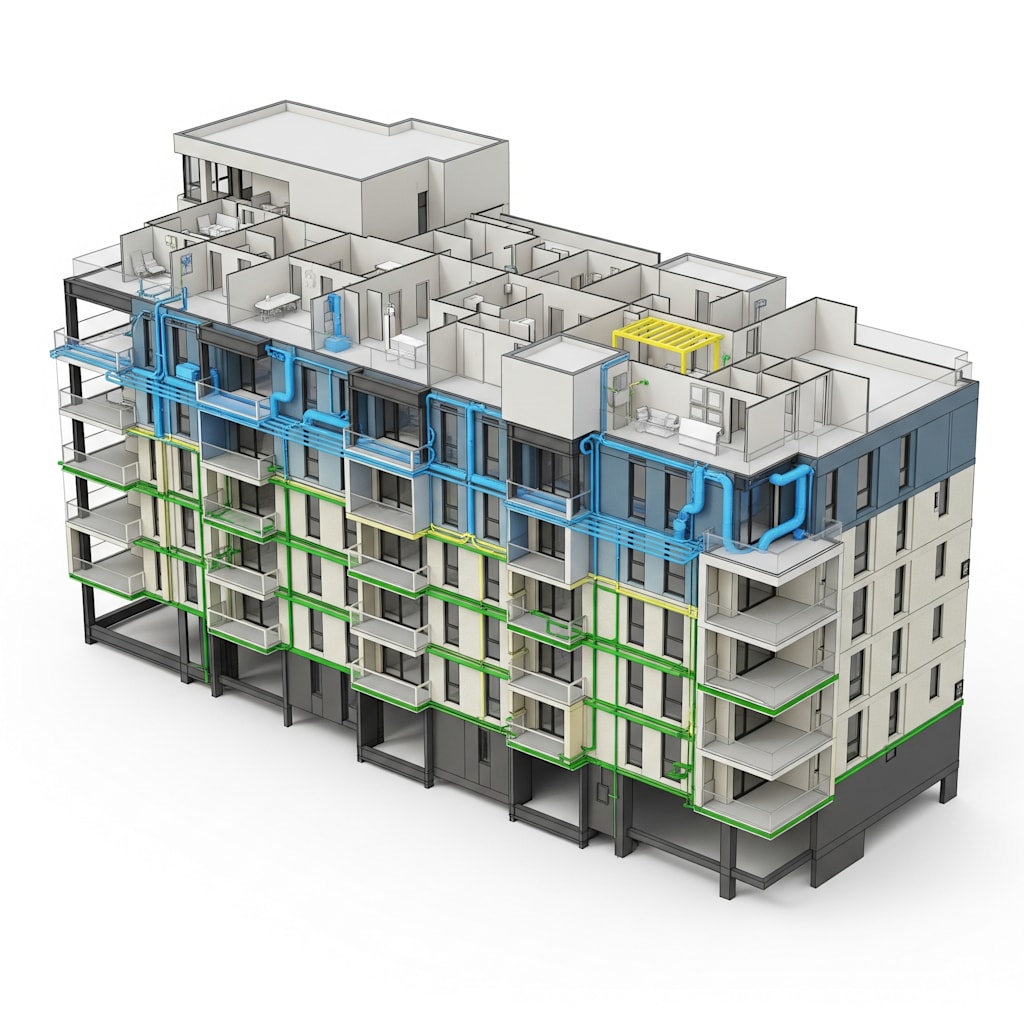
A modular project can move from factory production to site installation much faster than a traditional build, but speed alone does not guarantee success. Delays in manufacturing, transportation issues, out-of-sequence deliveries, and poor coordination between teams can quickly affect project timelines. This is where 4D BIM Scheduling Services are changing the way modular and prefabricated construction projects are planned and executed. By linking construction activities with project schedules, teams gain a clear view of how every module moves from design and fabrication to transportation and final assembly.
The Growing Need for Better Coordination in Modular Construction
Modular and prefabricated construction depends on a workflow that is very different from conventional building methods. While site preparation takes place, building components are often manufactured in factories at the same time. Multiple activities run in parallel, creating opportunities for faster project delivery. However, this process also introduces a higher level of coordination between designers, manufacturers, logistics teams, contractors, and site crews.
A small change in fabrication timing can affect transportation schedules. A delay in transportation can impact crane operations and installation activities. Since every stage is connected, project teams need a planning approach that allows them to see how one activity influences another. This is where 4D BIM Modeling Services provide valuable project insight.
Visualizing the Entire Construction Sequence
One of the biggest advantages of 4D BIM in modular construction is the ability to visualize the complete construction sequence before work begins. Instead of relying only on traditional scheduling charts, project stakeholders can see a time-linked digital representation of the project.
This visual approach makes it easier to understand how modules will be manufactured, transported, stored, and installed. Teams can identify scheduling conflicts early and review alternative construction sequences before they become site issues.
For engineers, BIM modelers, detailers, and project managers, this level of visibility supports better planning decisions and reduces uncertainty during project execution.
Supporting Factory-Based Production Planning
The success of prefabrication largely depends on efficient factory operations. Manufacturing facilities often produce hundreds of components and modules that must be completed according to project requirements.
By integrating fabrication schedules into the BIM environment, project teams can monitor production progress and compare actual manufacturing status against planned timelines. This allows managers to identify bottlenecks before they affect downstream activities.
When fabrication teams and project planners work from the same scheduling environment, communication becomes more structured and production targets become easier to manage. Many organizations are now combining BIM Modeling Services with 4D scheduling workflows to connect design data directly with manufacturing activities.
Improving Delivery and Logistics Management
Transportation is one of the most challenging aspects of modular construction. Modules are often large, heavy, and subject to transportation restrictions. Delivering components too early can create storage issues, while late deliveries can disrupt installation schedules.
4D BIM helps project teams simulate delivery sequences and coordinate transportation plans with site activities. Teams can determine when specific modules should leave the factory, arrive at the site, and be lifted into position.
This level of planning helps reduce congestion, improves site organization, and supports smoother installation operations. Instead of reacting to logistics problems after they occur, project teams can address many challenges during the planning stage.
Better Site Installation Planning
Modular construction often relies on carefully planned installation sequences. Cranes, equipment, labor crews, and delivered modules must all be available at the right time.
Through 4D simulations, installation teams can review the planned assembly process before arriving on site. Potential access issues, equipment conflicts, and sequencing challenges become easier to identify.
This is particularly useful for large residential developments, healthcare facilities, hotels, and educational buildings where hundreds of prefabricated components may need to be installed within a limited timeframe.
By understanding installation activities visually, project teams can improve workflow continuity and reduce interruptions during assembly operations.
Reducing Schedule Risks Across Multiple Stakeholders
Modular projects involve collaboration between numerous organizations. Architects, structural engineers, MEP consultants, manufacturers, logistics providers, contractors, and owners all contribute to project delivery.
Without a shared understanding of project timelines, coordination problems can emerge quickly. 4D BIM creates a common visual platform that allows stakeholders to review schedules in a way that is easier to understand than traditional planning documents.
When schedule updates occur, project teams can immediately see how changes affect future activities. This supports faster decision-making and helps maintain alignment between different project participants.
Supporting Faster Project Delivery
One reason modular construction continues to gain popularity is its ability to shorten overall project durations. However, achieving those time savings requires careful synchronization between off-site and on-site activities.
4D BIM helps maintain that synchronization by connecting schedules with project models throughout the project lifecycle. Teams can monitor progress, compare planned activities with actual performance, and adjust schedules when necessary.
Rather than treating scheduling as a separate project management task, 4D BIM turns it into a visual process that remains connected to the physical building components being produced and installed.
The Future of Modular Construction Planning
As modular and prefabricated construction continues to expand across residential, commercial, healthcare, and industrial sectors, project teams are seeking smarter ways to manage increasingly complex workflows. The combination of digital models and time-based planning is becoming an important part of that evolution.
Today, BIM Services are no longer focused solely on creating detailed models. They are increasingly being used to connect design, fabrication, logistics, and construction activities into a coordinated workflow. Within this environment, 4D BIM Scheduling Services provide project teams with greater visibility into how work progresses from factory production to final installation.
For engineers, builders, BIM modelers, detailers, and construction professionals, the value of 4D BIM lies in its ability to transform schedules into actionable project intelligence. As modular construction projects become larger and more sophisticated, this approach is helping teams manage timelines more effectively, coordinate stakeholders more efficiently, and deliver projects with greater confidence.
About the Creator
lisa Brown
Building Information Modelling delivers high quality out performing designs in Electrical BIM Services. We collectively work as a team and we believe in delivering end to end solutions in electrical designs and drawings.
Enjoyed the story? Support the Creator.
Subscribe for free to receive all their stories in your feed.
Comments
There are no comments for this story
Be the first to respond and start the conversation.