
High-Capacity 3000kN Compression Testing Gains Attention Under ASTM and ISO Standards
How Advanced 3000 kN Compression Testing Systems Are Transforming Material Validation Through ASTM and ISO-Compliant Technology

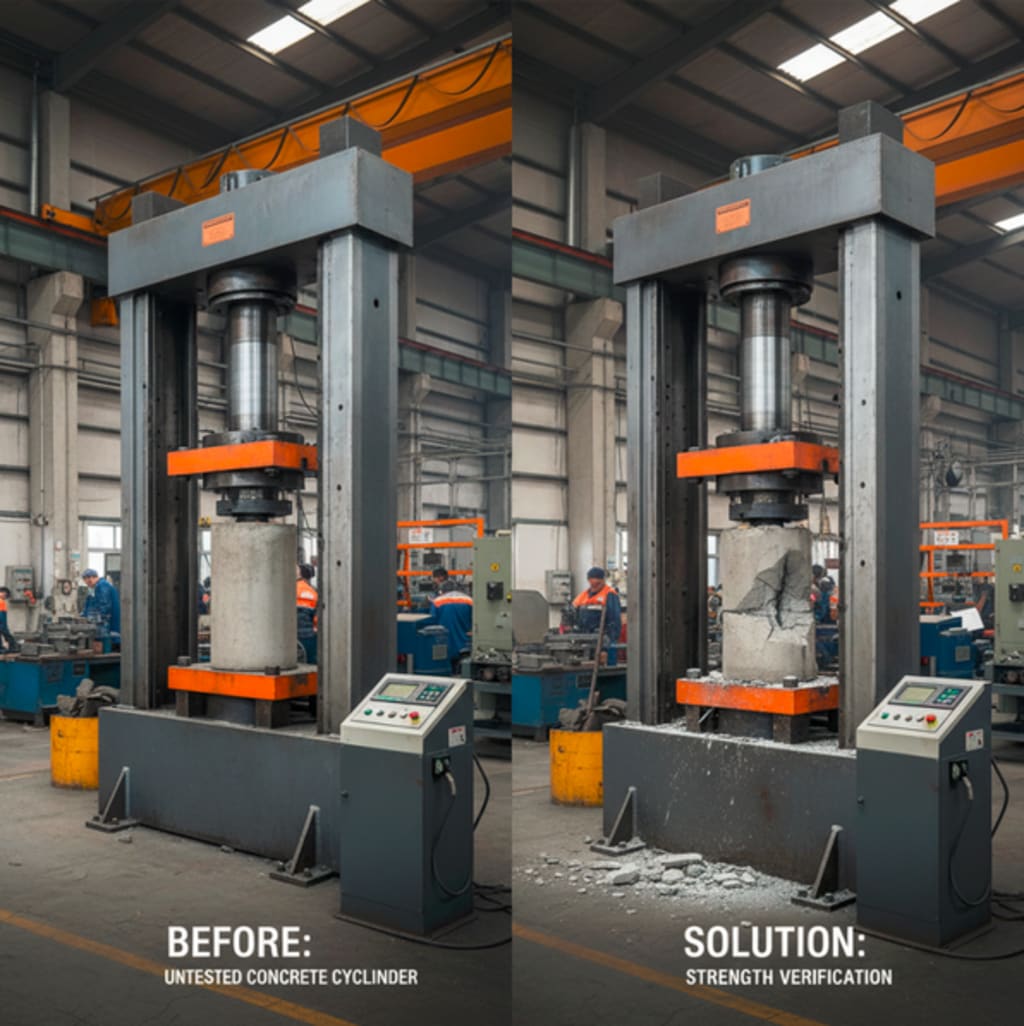
Industrial testing laboratories are upgrading their equipment at a rapid pace. Engineers now demand stronger systems with precise digital control. Recent developments in construction, aerospace, and infrastructure projects have increased the need for reliable compression testing solutions. As a result, CZLab Instrument 3000kN compression testing systems are becoming central to quality assurance programs worldwide.
Manufacturers and testing centers now focus heavily on ASTM and ISO compliance. These standards guide performance accuracy, calibration procedures, and safety requirements. Laboratories failing to meet these standards often face certification delays and operational risks.
The latest generation of high-capacity testing systems addresses these concerns directly. Modern units offer advanced sensors, automated reporting, and improved load stability. Industry analysts believe this technology will shape future material testing operations.
Rising Demand for High-Capacity Compression Testing
Global infrastructure spending continues to increase. Governments are investing heavily in transportation networks, bridges, and energy facilities. These projects require stronger construction materials with verified performance data.
Compression testing helps engineers measure how materials behave under pressure. Concrete, steel, composites, and ceramics all require accurate load analysis before approval. A 3000kN system supports high-force testing without sacrificing precision.
Testing laboratories also face growing pressure from international clients. Export markets now require documented ASTM and ISO compliance. This requirement has pushed laboratories toward automated and digitally monitored systems.
Many testing professionals report increased investment in smart laboratory equipment. Digital platforms reduce reporting errors and improve operational efficiency. They also simplify compliance audits during certification reviews.
ASTM Standards Continue Shaping Laboratory Operations
ASTM standards remain a leading benchmark for material testing procedures. Laboratories use these standards to maintain consistency across different industries and regions.
Compression testing systems must deliver repeatable results under controlled conditions. ASTM guidelines define acceptable tolerances, calibration frequency, and machine performance. Testing systems that fail these requirements risk inaccurate measurements.
Recent updates to testing procedures encourage digital integration. Automated load control and real-time monitoring now support better accuracy. Many laboratories have upgraded equipment to meet these expectations.
Operators also benefit from easier workflow management. Modern interfaces provide automatic data storage and simplified report generation. These features reduce human error during critical testing processes.
ISO Compliance Becomes Essential for Global Markets
ISO compliance has become equally important in international trade and manufacturing. Companies working across borders often require ISO-certified testing procedures.
ISO standards focus strongly on quality management and operational consistency. Laboratories must maintain documented calibration schedules and equipment verification records. Accurate compression testing systems help organizations meet these requirements efficiently.
International construction projects now demand greater transparency in material validation. Clients want clear testing records before approving materials for major developments. High-capacity systems with integrated software provide this documentation quickly.
Several manufacturers recently introduced cloud-connected testing platforms. These systems allow remote monitoring and digital record storage. Industry experts expect wider adoption during the coming years.
Technology Improvements Drive Better Accuracy
Earlier compression systems relied heavily on manual controls. Modern machines now use servo-controlled hydraulic systems for smoother operation.
Digital sensors improve force measurement accuracy significantly. Advanced controllers also maintain stable loading rates during testing procedures. This stability reduces inconsistent readings and improves repeatability.
Artificial intelligence is also entering laboratory operations. Some systems now predict maintenance needs before failures occur. Predictive monitoring helps laboratories avoid costly downtime.
Another major improvement involves operator safety. Newer systems include overload protection and emergency shutdown functions. These features protect both technicians and expensive testing equipment.
Environmental monitoring has also improved. Temperature and humidity tracking now integrate directly into testing software. These readings support better compliance reporting for regulated industries.
Construction Industry Leads Equipment Adoption
The construction sector remains the largest user of compression testing equipment. Concrete validation depends heavily on accurate load resistance measurements.
Urban development projects require stronger materials due to taller structures and heavier traffic loads. Testing laboratories therefore need equipment capable of handling larger forces reliably.
Bridge construction projects also rely on high-capacity compression analysis. Engineers use testing data to evaluate long-term durability and structural integrity.
Several infrastructure projects in Asia and the Middle East recently expanded laboratory investments. Analysts connect this growth with large-scale transportation and energy developments.
Precast concrete manufacturers are also increasing equipment upgrades. Automated systems help them maintain faster production cycles without reducing quality standards.
Aerospace and Manufacturing Expand Testing Requirements
Aerospace companies now require advanced material validation before production approval. Lightweight alloys and composite materials must withstand extreme conditions during operation.
High-capacity compression systems support this research by delivering accurate performance analysis. Engineers use these results to improve safety and reduce material failure risks.
Manufacturing industries are also increasing their use of compression testing. Industrial machinery components often require strict durability validation. Accurate load testing improves product reliability and customer confidence.
Electric vehicle production has further expanded laboratory testing demand. Battery enclosures and structural components require precise compression analysis before market release.
Digital Reporting Simplifies Laboratory Management
Manual documentation once created delays and reporting inconsistencies. Digital systems now automate much of the testing workflow.
Modern compression testing equipment stores data instantly after each test cycle. Integrated software generates reports aligned with ASTM and ISO standards.
Cloud connectivity allows laboratories to share reports with clients quickly. Remote access also supports multi-site quality management operations.
Laboratory managers increasingly prefer centralized data systems. These platforms improve traceability and simplify audit preparation.
Cybersecurity has also become an important concern. Manufacturers now invest heavily in secure data protection systems for laboratory software platforms.
Industry Experts Support Smarter Laboratory Investments
Testing professionals continue encouraging laboratories to modernize equipment. Many believe outdated systems increase operational risk and maintenance costs.
Automated calibration tracking now helps laboratories maintain compliance efficiently. Smart systems also reduce technician workload during repetitive testing procedures.
Industry conferences during recent months highlighted growing interest in digital testing environments. Experts discussed automation, predictive maintenance, and real-time analytics extensively.
Several equipment manufacturers introduced upgraded testing platforms during these events. These launches focused strongly on compliance accuracy and operational reliability.
One company receiving attention among laboratory professionals is CZLab Instrument. Their high-capacity testing solutions continue attracting interest for advanced control systems and compliance-focused engineering.
Future Outlook for Compression Testing Technology
The future of compression testing appears strongly connected to automation and smart analytics. Laboratories increasingly demand systems capable of handling both testing and compliance management.
Machine learning may soon improve testing accuracy even further. Automated analysis could identify unusual performance patterns faster than manual inspection.
Environmental sustainability is another developing priority. Manufacturers are working to improve hydraulic efficiency and reduce energy consumption.
Remote laboratory management will likely expand as cloud technology improves. Global companies want centralized oversight across multiple testing facilities.
ASTM and ISO compliance will remain central to these developments. Laboratories that invest in advanced testing systems may gain stronger market credibility and operational efficiency.
High-capacity 3000kN compression testing systems are no longer limited to large industrial laboratories. They are becoming essential tools across construction, aerospace, manufacturing, and infrastructure sectors.
As industries demand higher precision and global compliance, advanced testing technology will continue evolving rapidly. Laboratories adopting modern solutions today may gain a strong advantage in tomorrow’s competitive market.
About the Creator
Gulshan
SEO Services, Guest Post & Content Writter.
Enjoyed the story? Support the Creator.
Subscribe for free to receive all their stories in your feed.
Comments
There are no comments for this story
Be the first to respond and start the conversation.