
Hidden Secrets Behind Every Smile
What if the happiest person you know is hiding the most

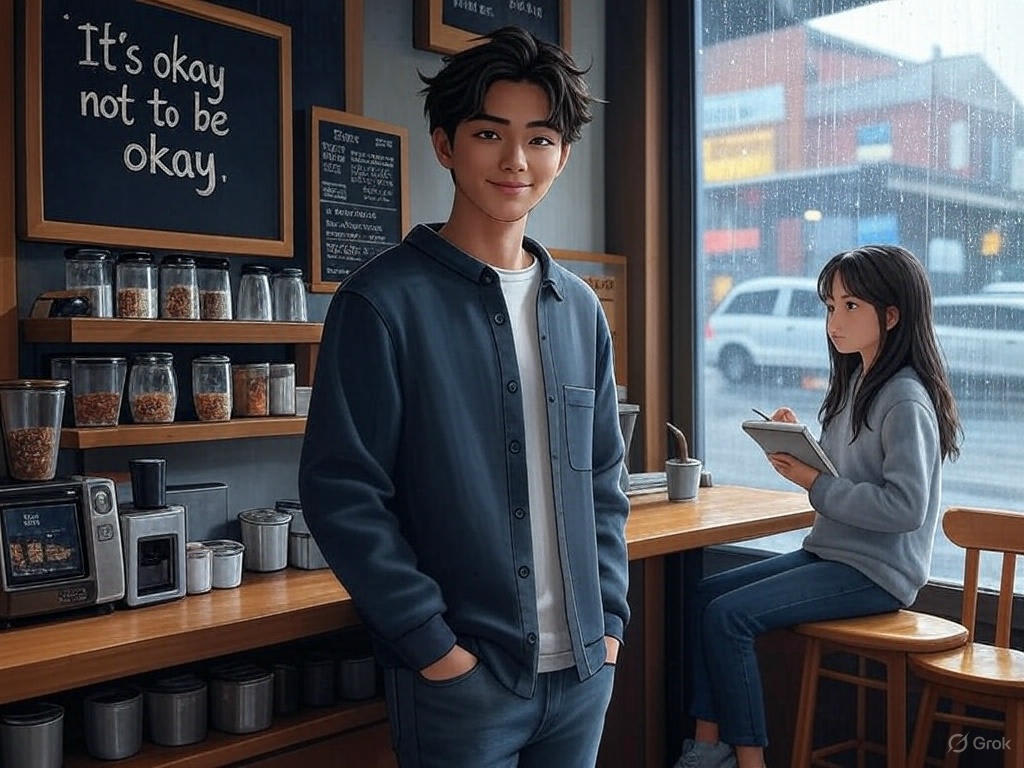
The bell above the coffee shop door jingled softly, announcing yet another customer. Ayaan looked up from behind the counter, flashing his usual warm smile—the kind that made people feel instantly at ease. He had become something of a fixture in the small-town café: the friendly barista with the charming laugh, the kind eyes, and a heart seemingly full of light. To the regulars, he was the soul of the café. Kids loved him for the animal-shaped foam art he made on their hot chocolate. Elders found comfort in his gentle greetings and perfect memory of their usual orders. To everyone, Ayaan was sunshine in human form. But nobody knew what Ayaan hid behind that smile. Every morning, he woke long before the sun. Not because he loved the quiet dawn, but because sleep rarely came easy. His nights were restless, haunted by fragments of the past that refused to fade. His small room above the café was filled with echoes—framed photographs, old texts he couldn’t delete, and a laughter that once made the walls feel alive. His mother used to call him her sunshine. That was before the accident. Before the silence that replaced her voice forever. Ayaan had been driving. He replayed that night a thousand times. Just a short drive. Just a moment of distraction. A patch of rain-slick road. And then—impact. Screams. Sirens. Stillness. The guilt wrapped around him like a second skin, suffocating, impossible to shed. Therapy didn’t help. Talking didn’t help. Nothing could rewrite the past. So he smiled instead. Every day. For everyone. Among the regulars was Zara, a young woman with a sketchpad always tucked under her arm. She often sat in the corner near the window, her eyes flicking between her coffee and the world outside. Quiet, observant, with a kind of sadness that matched Ayaan’s own—though neither spoke of it at first. One day, after weeks of ordering the same chamomile tea and scribbling silently, Zara looked up and said, “You always smile, Ayaan. Are you really that happy?” The question caught him off guard. His hands stilled on the coffee cup he was holding, the steam curling between them like a breath held too long. “I think… smiling helps,” he said after a pause. “Even if it’s not real sometimes.” Zara nodded slowly. “I get that.” From then on, something shifted. Their conversations grew, meandering from books and music to fragments of memory neither had planned to share. Ayaan started looking forward to her visits. She sketched him often, sometimes without asking, and he didn’t mind. It was nice to be seen, even if not understood. Then one rainy afternoon, just as the last customer left and Ayaan began wiping down the counter, Zara stood and placed a folded piece of paper near the tip jar. She offered a small smile and left without a word. Curious, he opened it. It was a sketch of him—smiling—but the eyes in the drawing held a weight the smile couldn’t mask. At the bottom, she had written in soft cursive: “You don’t have to smile for me.” That night, Ayaan cried. For the first time in months. The next day, he made her tea before she ordered. She raised an eyebrow. “It’s on me,” he said. They began sharing their stories in pieces. Zara had lost her brother to suicide three years ago. She hadn’t seen the signs. The guilt gnawed at her, made her question every memory. They talked about loneliness, about the masks people wear, about how sometimes surviving feels like a secret shame. In their quiet corner of the world, they built something fragile but real. A friendship rooted in truth, not performance. One evening, after closing time, Ayaan took a piece of chalk and wrote on the small board by the register: “It’s okay not to be okay. Your coffee comes with kindness here.” He hesitated before stepping back. But the next morning, a customer read it, smiled, and nodded. Another left a sticky note beside it: “Thank you. Needed this.” Soon, the board became a place for messages—some anonymous, others signed. Notes of struggle, hope, love, and healing. The café transformed. It became more than a place for caffeine and pastries. It became a space where hearts could breathe. A safe harbor. And slowly, something changed in Ayaan too. He still smiled—but now, it didn’t feel like a mask. It felt like a choice. A soft offering, not a shield. Because sometimes, the happiest-looking people are simply the ones who’ve learned to carry their pain with grace. And sometimes, if they’re lucky, someone sees them—and reminds them they don’t have to carry it alone.
About the Creator
Enjoyed the story? Support the Creator.
Subscribe for free to receive all their stories in your feed.
Comments
There are no comments for this story
Be the first to respond and start the conversation.