
Handmade Felt Home Decor From Nepal: Why More People Are Choosing Quality Over Disposable Decor
Handmade felt home decor has been quietly growing across the USA and Canada
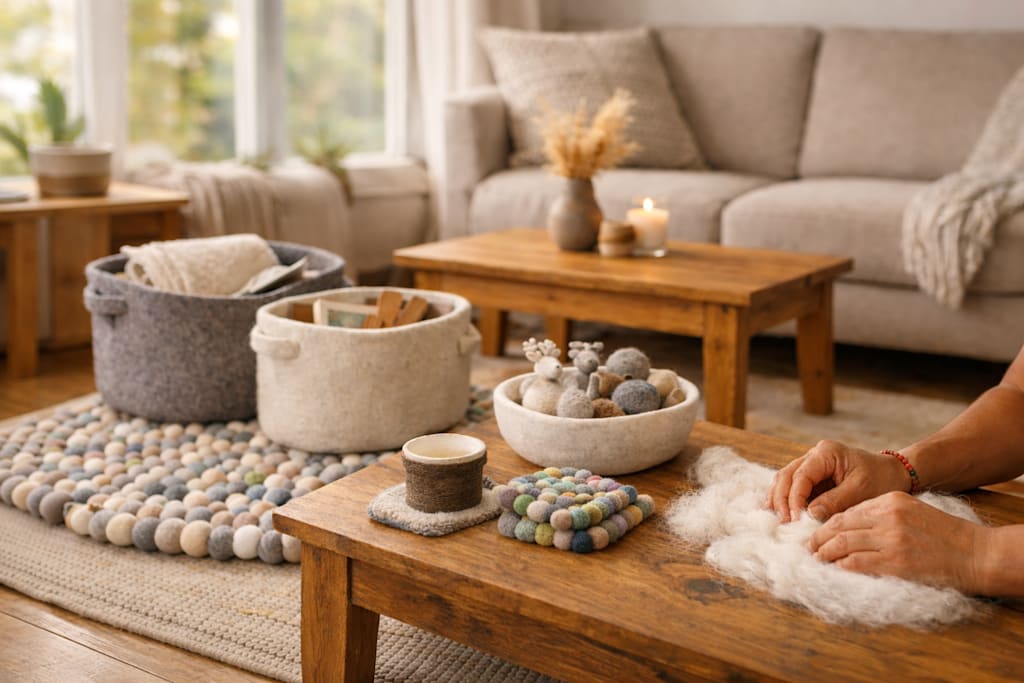
A few years ago, most people didn't think much about where their storage baskets, rugs, or decorative accessories came from. If something looked good and was affordable, it went into the shopping cart.
Today, things are changing.
Consumers across the United States, Canada, Europe, the United Kingdom, and Australia are becoming more conscious of what they buy. They want products that last longer, create less waste, and have a story behind them. As a result, handmade home décor products are experiencing a surge in popularity.
One category that has quietly gained attention is handmade wool felt home décor from Nepal.
As someone who works closely with businesses and startups sourcing handmade products from Nepal, I've seen this shift firsthand. Buyers who once focused only on price are now asking different questions:
- Who made this product?
- What materials were used?
- How long will it last?
- Is it environmentally friendly?
- Does it support artisan communities?
Handmade felt products from Nepal provide compelling answers to all of these questions.
The Difference Between Handmade and Mass-Produced
Not long ago, a friend purchased a set of storage baskets from a large retail store. They looked attractive online and arrived quickly. However, within a few months the baskets began losing their shape. The handles started fraying, and the fabric looked worn.
Eventually, they were thrown away.
Later, she purchased handmade wool felt baskets crafted by artisans in Nepal. Years later, they are still in daily use and continue to look beautiful.
This isn't an unusual story.
The difference often comes down to how products are made.
Mass-produced items are typically designed to meet cost targets. Materials are selected based on affordability, manufacturing speed, and shipping efficiency. While this approach makes products accessible, it can also result in shorter lifespans.
Handmade felt products take a different approach. They prioritize craftsmanship, durability, and attention to detail. Every item passes through the hands of skilled artisans who carefully shape, inspect, and finish the product.
The result is something that feels different from the moment you touch it.
What Exactly Is Wool Felt?
Many people hear the word "felt" and think of the thin synthetic sheets sold in craft stores.
Traditional wool felt is entirely different.
Handmade wool felt is created using natural wool fibers, water, soap, pressure, and friction. Through a process known as wet felting, the wool fibers interlock and bond together naturally.
No glue is required.
No synthetic binders are needed.
The material becomes strong, durable, and surprisingly resilient.
Quality wool felt offers several advantages:
- Naturally renewable material
- Strong and long-lasting
- Soft yet durable
- Resistant to fraying
- Lightweight but sturdy
- Biodegradable
- Naturally insulating
Unlike synthetic alternatives, wool felt develops character over time rather than simply wearing out.
Why Handmade Felt Home Décor Is Growing in Popularity
The popularity of handmade felt products is part of a larger shift in consumer behavior.
Across North America and Europe, homeowners are embracing natural materials such as wood, linen, wool, ceramics, and handcrafted textiles.
There are several reasons for this trend.
Sustainability Matters
Consumers are becoming increasingly aware of environmental issues.
Disposable products often end up in landfills after only a short period of use. Many people are actively seeking alternatives that can last for years rather than months.
Handmade wool felt aligns perfectly with this mindset because it is produced from natural materials and offers exceptional durability.
People Want Authenticity
In a world dominated by mass production, authenticity stands out.
Customers enjoy knowing that a product was made by real people rather than produced entirely by machines. Handmade felt products often carry subtle variations that make each piece unique.
These small imperfections are not flaws—they are evidence of genuine craftsmanship.
Homeowners Value Texture and Warmth
Interior design trends have moved away from sterile, overly polished spaces.
People want homes that feel comfortable and welcoming.
Wool felt introduces texture, softness, and warmth into living spaces. Whether used in minimalist Scandinavian interiors or cozy farmhouse-style homes, felt products blend naturally with a variety of design styles.
The Most Popular Felt Products in International Markets
Felt Storage Baskets
Felt Storage baskets remain one of the most sought-after felt products.
Unlike plastic bins or fabric organizers, felt baskets offer both functionality and style.
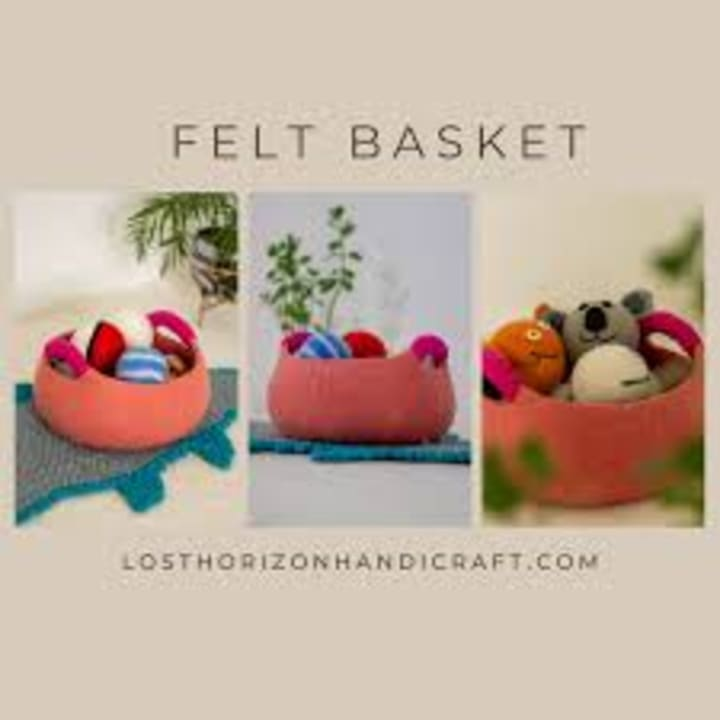
They are commonly used for:
- Children's toys
- Blankets
- Laundry
- Office supplies
- Pet accessories
- Household organization
Because they maintain their shape and appearance over time, many homeowners use them as visible décor elements rather than hiding them away in closets.
Felt Ball Rugs
Felt ball rugs are among the most recognizable handmade felt products from Nepal.
Created by joining hundreds or even thousands of individually rolled felt balls, these rugs add color and texture to a room.
Families particularly appreciate them for children's rooms because they are soft underfoot and visually playful.
At the same time, many interior designers use them as statement pieces in living rooms and creative spaces.
Felt Coasters and Trivets
Small products often have the biggest impact.
Handmade felt coasters and trivets protect surfaces while adding a handcrafted touch to kitchens and dining areas.
They are especially popular among gift shops, boutique retailers, and online home décor stores because they combine practicality with attractive design.
Felt Wall Art and Hangings
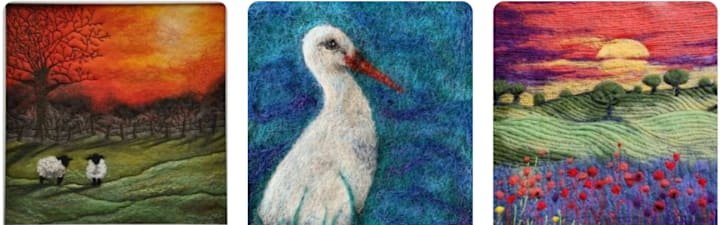
Modern homes increasingly incorporate textile-based wall décor.
Felt wall hangings provide visual warmth while also helping absorb sound.
This makes them particularly attractive for apartments, home offices, and contemporary living spaces where acoustic comfort matters.
Seasonal Decorations
Handmade felt ornaments have become a significant export category.
Christmas ornaments, Easter decorations, Halloween figures, and seasonal home accents offer an alternative to plastic decorations.
Many families keep handmade felt ornaments for years, creating traditions around products that might otherwise be discarded after a single season.
Why Nepal Has Become a Global Leader in Felt Production
Nepal's felt industry did not emerge overnight.
The country has a long history of working with wool and traditional textile crafts. Over time, artisans refined techniques that are now recognized internationally for their quality and consistency.
Today, Nepal is one of the world's leading producers of handmade felt products.
Several factors contribute to this success.
Skilled Artisan Workforce
The knowledge required to create high-quality felt products is developed through experience.
Many artisans have spent years perfecting their techniques and training younger generations.
High-Quality Materials
Many Nepalese felt manufacturers use premium New Zealand wool, known worldwide for its softness and durability.
Combined with traditional craftsmanship, this results in products that meet international quality standards.
Ethical Production
Many felt workshops in Nepal place significant emphasis on fair labor practices, safe working conditions, and community development.
This has become increasingly important for international buyers who want greater transparency in their supply chains.
Opportunities for Startups and Small Businesses
One reason handmade felt products have gained traction internationally is their appeal to startup brands and small retailers.
Large retailers often compete primarily on price.
Smaller businesses need a different strategy.
They need products that help them stand out.
Handmade felt products offer several advantages:
- Unique product stories
- Sustainable positioning
- Strong visual appeal
- Customization opportunities
- Growing consumer demand
- Repeat purchase potential
Many successful home décor startups have built loyal customer bases by focusing on handcrafted and ethically sourced products rather than trying to compete directly with mass-market retailers.
For these businesses, Nepal's felt industry offers an opportunity to source products that align with modern consumer values.
Looking Beyond the Product
When people purchase handmade felt products, they are buying more than a storage basket or decorative accessory.
They are supporting a chain of skilled craftsmanship that stretches from rural wool suppliers to artisan workshops and small export businesses.
Every felt basket, rug, ornament, or wall hanging represents hours of manual work and generations of accumulated knowledge.
That human element is becoming increasingly valuable in today's marketplace.
Final Thoughts
The growing popularity of handmade felt home décor reflects a broader shift in how people think about consumption.
Consumers are moving away from disposable products and toward items that offer quality, durability, and meaning.
Handmade felt products from Nepal meet all three criteria.
They are practical enough for everyday use, attractive enough for modern interiors, and durable enough to remain part of a home for years.
For homeowners, they provide lasting value.
For retailers and startups, they offer a unique opportunity to differentiate themselves in a crowded market.
And for artisans in Nepal, they help preserve traditional skills while creating sustainable livelihoods.
In a world where so many products are designed to be replaced, handmade felt stands as a reminder that stands still.
About the Creator
Enjoyed the story? Support the Creator.
Subscribe for free to receive all their stories in your feed.
Comments
There are no comments for this story
Be the first to respond and start the conversation.