
Google Home Opens Smart Home Control to Third-Party AI Agents via Model Context Protocol
By launching an MCP server for its smart home ecosystem, Google is transforming connected devices from isolated gadgets into interoperable data sources for external AI agents, though initial access remains gated behind a premium subscription and technical setup.

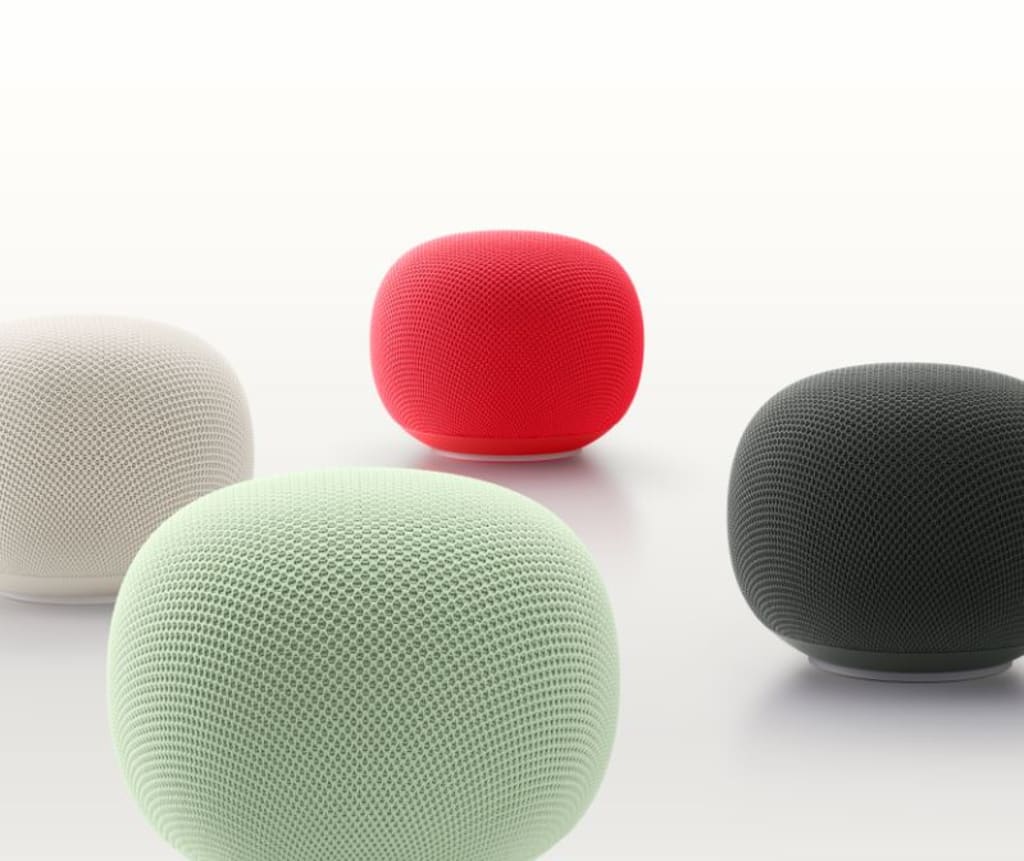
Google has officially rolled out early access to a Model Context Protocol (MCP) server for the Google Home ecosystem, marking a significant architectural shift in how consumers interact with their smart homes. Starting Wednesday, this update allows any AI agent that supports the open MCP standard, including Claude, ChatGPT, Hermes, OpenClaw, and Google’s own Antigravity, to securely connect to Google Home devices, access real-time controls, and retrieve historical event data. This move effectively decouples smart home management from Google’s proprietary interfaces, enabling users to leverage their preferred AI assistants for natural language tasks such as reviewing camera summaries, monitoring activity logs, controlling lights and thermostats, and building custom dashboards. The integration supports the entire Google Home catalog, including Nest doorbells and thermostats, as well as third-party “Works with Google Home” and Matter-compliant devices like smart bulbs and sensors.
Despite the promise of seamless interoperability, the current implementation requires a non-trivial technical setup that may limit adoption to power users and developers. To establish the connection, users must create a Google Cloud project, configure it specifically for Home MCP, and then provide those configuration details to their chosen AI agent. The agent subsequently handles authentication by prompting the user to sign in and grant specific permissions. While Google provides a setup guide in the Google Home Developer Center, this workflow stands in stark contrast to the plug-and-play experience typical of consumer smart home products. It reflects Google’s strategy of treating MCP as a developer-first protocol that gradually trickles down to mainstream users, rather than a fully baked consumer feature. This approach aligns with Google’s broader MCP rollout across Cloud, Workspace, and developer tools, but applying it to the physical home environment introduces unique complexity around security, privacy, and device reliability.
Access to this capability is currently restricted to U.S.-based subscribers of Google Home Premium Advanced, the $20-per-month tier that already offers extended video history, descriptive notifications, and advanced search features. By gating MCP behind its highest subscription level, Google is positioning AI agent integration as a premium value-add rather than a baseline utility. The company has not commented on whether or when MCP support will extend to lower tiers or international markets, leaving uncertainty about the long-term accessibility of this functionality. During this early access period, Google is actively soliciting feedback through its Smart Home for Developers Community, using real-world usage patterns to refine security models, permission granularity, and agent performance before considering a broader release. This iterative approach suggests Google recognizes the risks inherent in exposing physical home infrastructure to external AI systems and is prioritizing stability over speed.
The strategic implications of this move extend far beyond convenience. By adopting MCP, an open standard championed by Anthropic and rapidly gaining industry traction, Google is signaling a willingness to participate in a post-walled-garden smart home ecosystem where device control is mediated by standardized protocols rather than proprietary APIs. This benefits consumers who want to use specialized AI agents for specific tasks without being locked into Google’s assistant, while also giving Google a foothold in the emerging agentic AI landscape. However, it also raises critical questions about data governance: when an external agent accesses camera feeds or thermostat histories, who is responsible for privacy compliance, data retention, and breach liability? Google’s decision to require explicit OAuth-style permissions and cloud project configuration suggests an attempt to maintain auditability and user consent, but the average consumer may not fully grasp the implications of granting an AI agent persistent access to their home. As MCP becomes the de facto bridge between AI and physical environments, Google Home’s early adoption positions it as a test case for whether open interoperability can coexist with the safety expectations of domestic life and whether premium pricing can sustain the infrastructure required to make it secure.
About the Creator
Mark Lim
Hi I am mark an automotive student and a car, tech and food enthusiast ! Im gonna try and post daily & hope you enjoy what I write and do share my page with people you know. I would gladly appreciate it! Cheers
Enjoyed the story? Support the Creator.
Subscribe for free to receive all their stories in your feed.
Comments
There are no comments for this story
Be the first to respond and start the conversation.