
FTC and 22 States Sue Amazon Over Alleged Secret Ad Auction Manipulation
Regulators claim Amazon used fake bidders and hidden fees to inflate advertising costs for over 1 million sellers, potentially generating tens of billions in illicit revenue.

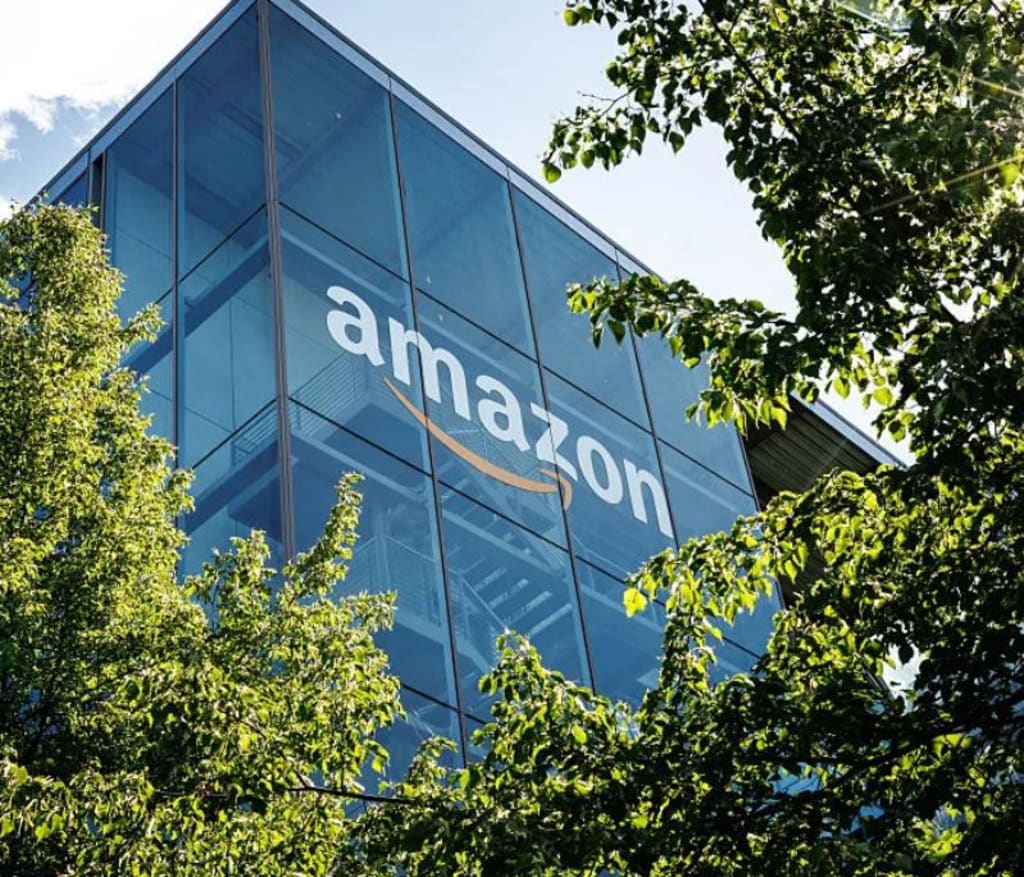
The Federal Trade Commission (FTC) and attorneys general from 22 states have filed a landmark antitrust lawsuit against Amazon, accusing the e-commerce giant of systematically deceiving advertisers through manipulated auction mechanics. Filed Monday, the complaint alleges that for more than seven years, Amazon secretly increased the prices businesses paid for Sponsored Products, Sponsored Brands, and Display ads by introducing hidden surcharges and artificial bidding practices that regulators characterize as shill bidding disguised as legitimate market dynamics. The suit claims these tactics affected over one million small and medium-sized businesses and may have generated tens of billions of dollars in additional revenue, fundamentally undermining trust in what was marketed as a fair, second-price auction system.
The Core Allegation: A Bait-and-Switch Auction
At the heart of the lawsuit is Amazon’s representation to advertisers that its ad platform operated on a second-price auction model, where the winner pays only one cent more than the next-highest bid. This mechanism has long been industry standard because it incentivizes truthful bidding: advertisers can bid their true maximum value without fear of overpaying, knowing they’ll never be charged their full bid unless absolutely necessary. According to the FTC, Amazon explicitly communicated this structure to over 500,000 SMBs, fostering reliance on predictable cost controls.
But starting in 2019, regulators allege Amazon made a “surreptitious” change: it introduced an internal “soft reserve price” paired with an “invented auction participant,” a synthetic bidder designed solely to elevate winning prices. Internal documents cited in the complaint refer to this entity as a tool to “push prices higher than true competition would produce.” The result? Advertisers who believed they were participating in a second-price auction were instead charged their full winning bid nearly 80% of the time, effectively converting the system into a first-price auction without disclosure. The FTC argues Amazon concealed this shift because transparency would have caused advertisers to lower bids, directly threatening ad revenue which reached $68 billion in 2025.
Legal and Market Implications
This case represents one of the most technically detailed antitrust actions against a digital platform’s core monetization engine. Unlike broader monopoly claims, this lawsuit targets specific algorithmic behaviors with documented internal terminology (“soft reserve,” “invented participant”), suggesting regulators have obtained granular evidence of intent. The coalition of 22 states including major markets like California, New York, and Washington signals bipartisan concern about platform accountability in digital advertising, a sector increasingly vital to SMB survival.
If proven, the allegations could redefine permissible auction design in programmatic advertising. Second-price auctions rely entirely on participant trust; manipulating them erodes market efficiency and distorts price discovery. The FTC’s framing of synthetic bidders as “shill bids” invokes traditional fraud doctrines, potentially exposing Amazon to treble damages under state consumer protection laws. Moreover, the scale of alleged harm tens of billions across seven years, could make this one of the largest advertising-related antitrust recoveries in history.
Amazon’s Defense and Industry Context
Amazon dismissed the lawsuit as “misguided,” arguing in a blog post that the FTC “fundamentally misunderstands how advertisers operate.” The company contends that its auctions evaluate “billions of bids across different placements and formats,” leading to natural price variation, and asserts that advertisers are “properly informed” about pricing mechanics. However, this defense sidesteps the core issue: whether changes to auction logic were disclosed as changes, not buried in dynamic complexity.
The timing is notable. Digital ad platforms face growing scrutiny over opaque pricing, with similar concerns raised about Meta and Google. Yet Amazon’s unique position as both marketplace operator and dominant ad seller creates heightened conflict-of-interest risks. Sellers depend on Amazon ads for visibility but lack alternative channels at comparable scale, amplifying vulnerability to unilateral policy shifts. Regulators appear to be testing whether platforms can exploit this dependency through technical obfuscation.
The case will likely hinge on document discovery and expert testimony about auction economics. Key questions include: Did Amazon’s “invented participant” serve any legitimate function (e.g., preventing bid shading)? Were advertisers contractually promised second-price mechanics? Did internal communications reveal awareness of deception? A preliminary injunction hearing could come within months, potentially forcing Amazon to disclose current auction parameters.
For advertisers, the suit validates long-standing suspicions about rising CPMs unexplained by demand shifts. For policymakers, it tests whether antitrust law can address algorithmic manipulation as readily as overt exclusionary conduct. And for Amazon, it poses an existential risk to its fastest-growing business segment at a moment when regulatory patience is wearing thin. Whether this becomes a precedent-setting victory or a cautionary tale of overreach will shape digital advertising governance for decades.
About the Creator
Mark Lim
Hi I am mark an automotive student and a car, tech and food enthusiast ! Im gonna try and post daily & hope you enjoy what I write and do share my page with people you know. I would gladly appreciate it! Cheers
Enjoyed the story? Support the Creator.
Subscribe for free to receive all their stories in your feed.
Comments
There are no comments for this story
Be the first to respond and start the conversation.