
From Words to Worlds: How Text-to-Image AI is Revolutionizing Creativity
A Brief History of Text-to-Image

A Brief History of Text-to-Image AI
In just a few short years, text-to-image AI has gone from science fiction to everyday reality, changing how we think about creativity and technology. Imagine telling a computer to draw "a dog wearing sunglasses riding a skateboard," and voilà—you get the image! That’s where we are now. But how did we get here? Let’s take a fun, quick journey through the history of text-to-image AI and see what key milestones led us to this exciting point.
Early Experiments (2007-2015)
- 2007: Back in the day, researchers at the University of Wisconsin were playing around with an early text-to-picture system, laying the groundwork for what was to come. The images weren’t great, but hey, they were on to something.
- 2015: Fast forward to 2015, when neural networks started making blurry, pixelated images. Not museum-worthy, but these systems even transferred artistic styles between images.
Improving Quality (2015-2021)
- 2018: Then came a big moment—a portrait generated by AI sold for over $400,000 at Christie’s. People were starting to take notice: AI could actually create art worth big bucks.
- 2021: OpenAI dropped DALL-E, a model that could turn text descriptions into images. It wasn’t perfect yet—some results were a bit quirky—but it was a big leap forward.
Breakthrough Models (2021-2022)
- January 2021: The first open-source text-to-image experiment popped up, giving more people the tools to try their hand at AI image creation.
- March 2022 : Other models like Imagen and Midjourney came out swinging, producing images so lifelike they could fool most people into thinking they were real photos or high-end artwork.
- April 2022: DALL-E 2 launched with more realistic images, capable of creating much more detailed scenes.
- August 2022: Stable Diffusion hit the scene, bringing text-to-image AI to the masses by making it open-source and easy to run on everyday computers.
How Text-to-Image Models Work
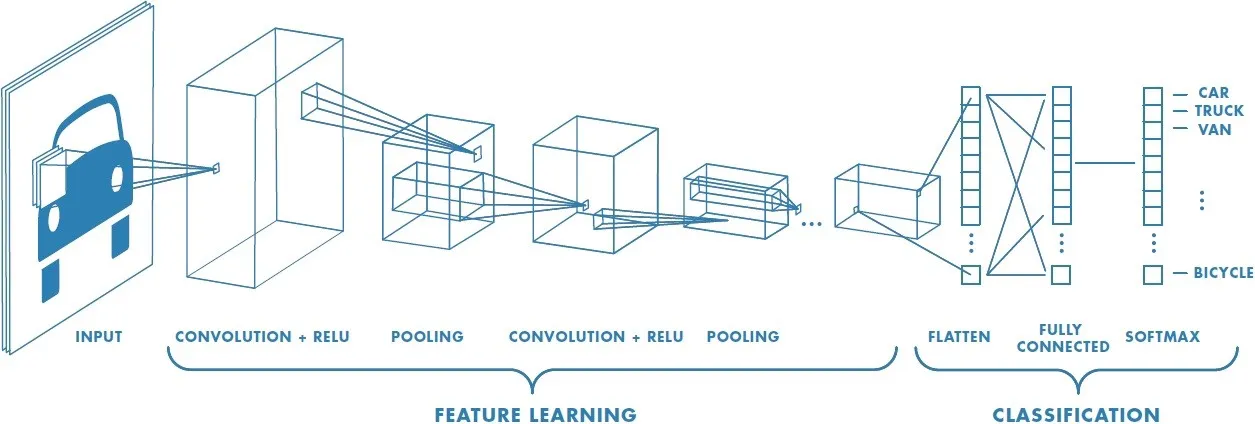
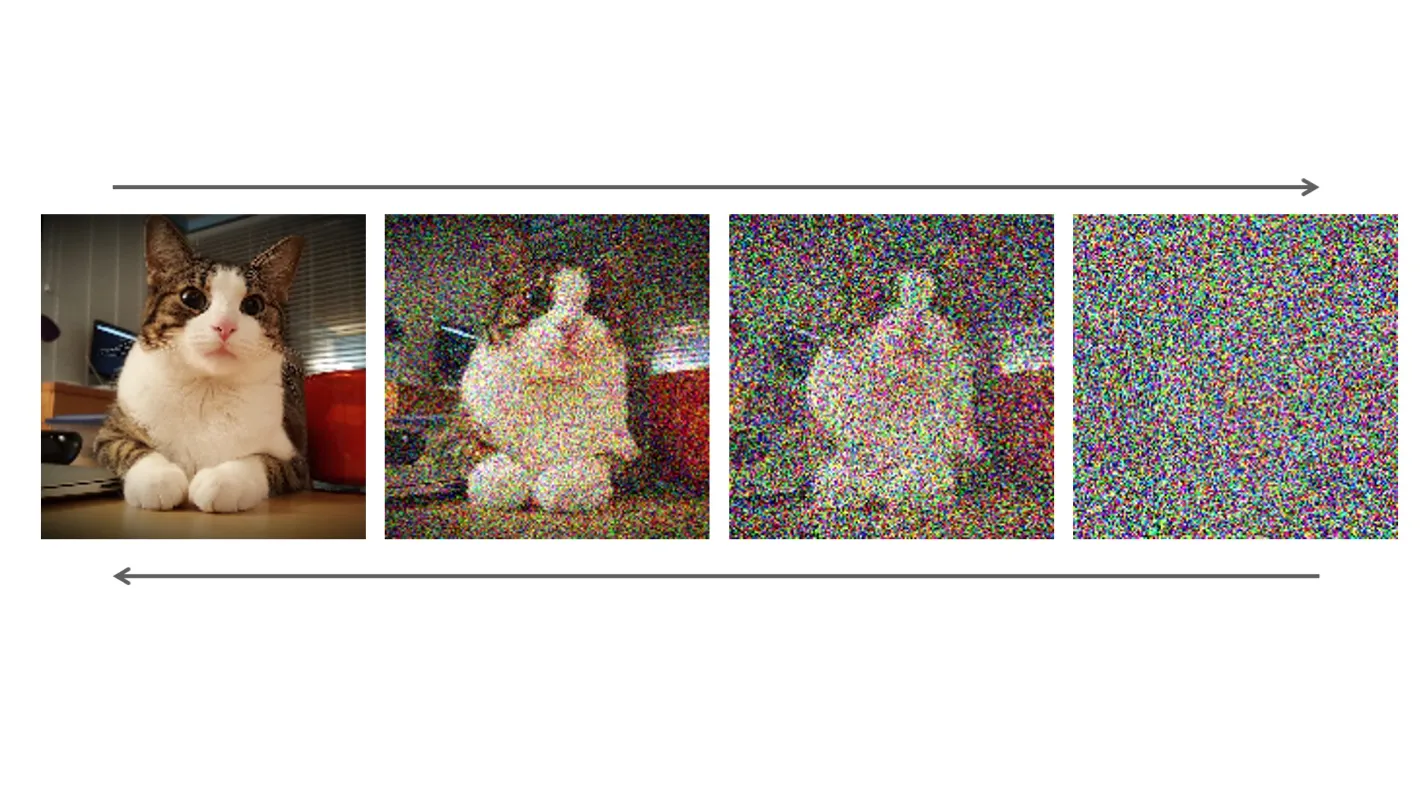
So, how does all this magic happen? Text is turned into numbers using natural language processing (NLP), which helps the AI understand what you’re talking about. Then, systems like GANs and diffusion models use these numbers to generate an image based on what the text says. It’s like giving a computer a canvas and a paintbrush, and it knows exactly what you want to see because it’s been trained on huge amounts of data—thousands upon thousands of image-text pairs scraped from all over the internet.
Top Text-to-Image AI Models
- OpenAI DALL-E: This one is famous for its ability to create highly imaginative and sometimes wild images from your most complex prompts.
- Google Imagen: Known for producing stunning, high-res, and almost photorealistic images.
- Midjourney: Gaining popularity for its ease of use and strong performance in professional design settings.
- Stable Diffusion: An open-source gem that allows users to create amazing visuals on their own machines without needing a supercomputer.
Another exciting tool worth mentioning is Swapfaces.ai. It goes beyond the typical text-to-image generation by offering features like AI-powered face swapping for both images and videos, as well as image enhancement. And the best part? You don’t need to dive into complex tutorials—SwapFaces.ai is designed for simplicity. With just a few clicks, you can get professional-level results, making it an easy and powerful tool for anyone looking to explore AI-driven visuals without the learning curve.
The Impact of Text-to-Image AI
The rise of text-to-image AI isn’t just about cool party tricks. It’s changing industries—art, marketing, entertainment, education, you name it. Here's a look at how it’s making a difference:
Enhanced Creativity and Accessibility
- Democratizing Art: You don’t need to be Picasso to create stunning images anymore. Text-to-image AI tools are giving everyone a chance to bring their ideas to life, regardless of artistic ability.
- Idea Generation: For designers and creatives, these tools can spit out multiple concepts from a single prompt, helping speed up brainstorming sessions and letting them focus on refining the best ideas.
Efficiency in Content Creation
- Rapid Production: Businesses can now generate custom visuals for marketing campaigns or social media in minutes, cutting down on the need for a full team of designers.
- Cost-Effective: For smaller companies, these AI tools are a game changer. They make it possible to produce high-quality visuals without the hefty price tag, allowing them to compete with larger brands.
Innovative Applications Across Industries
- Marketing and Advertising: Brands are already using AI-generated visuals to create fresh, attention-grabbing ads.
- Entertainment and Media: In gaming and film, AI is being used to create concept art, storyboards, and even entire scenes faster than ever before.
- Education: Teachers can now generate custom images to help explain complex ideas, making learning more engaging and interactive.
New Avenues for Artistic Expression
- Complex Visuals: From fantastical creatures to dreamy landscapes, AI can help artists create detailed visuals that would be tough to draw by hand.
- Personalization: AI can also make personalized visuals for everything from custom gifts to tailored marketing content aimed directly at individual customers.
Challenges and Considerations
With great power comes great responsibility, and text-to-image AI is no exception. While it offers incredible benefits, there are still hurdles to overcome:
- Quality Control: The AI doesn’t always get it right. Sometimes, the results can be weird or low quality, especially with complex scenes or human figures.
- Copyright and Ownership Issues: Who owns an image created by AI? The person who wrote the prompt, or the AI model that generated it? This is an ongoing debate that’s yet to be fully resolved.
In summary, text-to-image AI is transforming the way we approach creativity and visual content, making it easier for anyone to turn their ideas into reality. Tools like DALL-E, Stable Diffusion are pushing the boundaries of what’s possible, letting users create everything from intricate artwork to fun, personalized visuals with ease. And this is just the beginning. As AI continues to evolve, we can only imagine the creative possibilities that lie ahead. Perhaps, in the not-so-distant future, we won’t just be generating images with a few words—we’ll be building entire virtual worlds, visualizing ideas at the speed of thought. The future of AI-driven creativity is wide open, and it’s going to be an exciting ride.
About the Creator
Enjoyed the story? Support the Creator.
Subscribe for free to receive all their stories in your feed.
Comments
There are no comments for this story
Be the first to respond and start the conversation.