
From Specs to Service: How to Choose the Right Self Loading Concrete Mixer Maker
How to Choose the Right Self Loading Concrete Mixer Maker
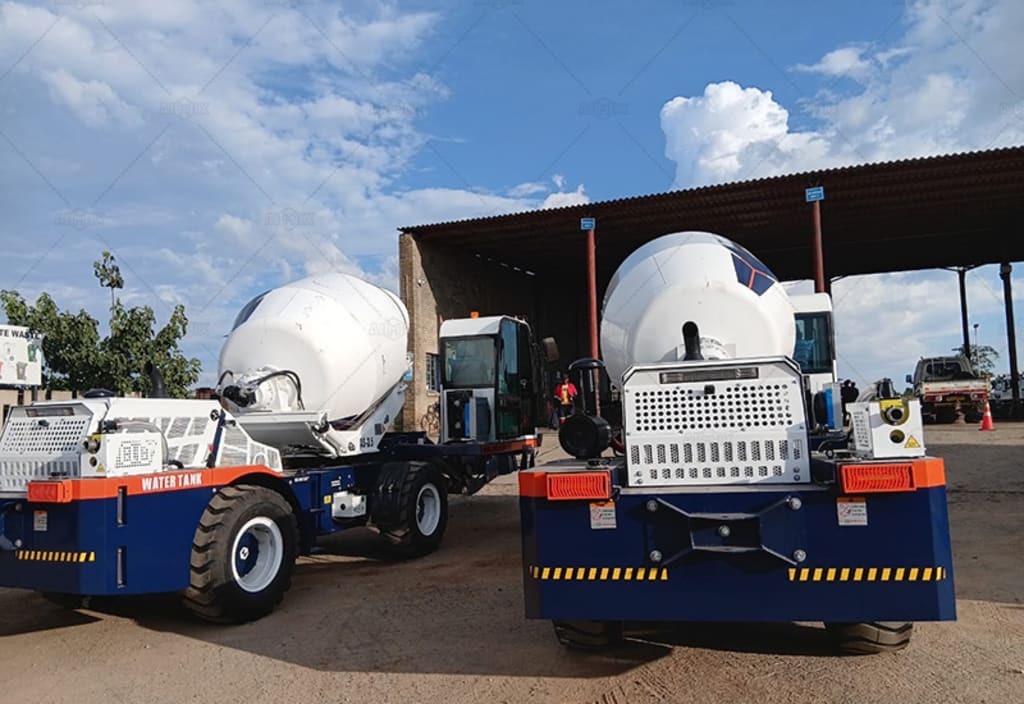
Selecting a self loading concrete mixer maker is far more than a transactional purchase—it is a strategic decision that influences productivity, durability, and long-term operational ease. With construction timelines tightening and efficiency becoming paramount, the right self loading concrete mixer machine partner can feel like a quiet revolution on-site. Yet, amidst glossy brochures and persuasive sales language, clarity is often obscured. This guide illuminates the path, weaving together technical discernment with practical sensibility, so that every investment feels intentional rather than impulsive. The journey from scrutinizing specifications to evaluating after-sales service is not merely procedural—it is transformative.
1. Understanding Technical Specifications
1.1 Capacity and Output Efficiency
Capacity is often the first metric that captures attention, yet its implications stretch beyond mere volume. A mixer’s drum size determines how much concrete can be produced per cycle, but true efficiency lies in how seamlessly it integrates into workflow rhythms. A machine boasting impressive capacity but sluggish cycle times can paradoxically hinder progress. Precision matters. Consider not only the cubic output but also loading speed, mixing consistency, and discharge efficiency. A well-balanced machine harmonizes these elements, transforming raw materials into uniform concrete with admirable expediency. This synergy ensures fewer delays and a more fluid construction cadence.

1.2 Engine Performance and Fuel Economy
Beneath the robust exterior lies the mechanical heart—the engine. Its performance dictates reliability under demanding conditions, from rugged terrains to extended operating hours. A high-caliber engine delivers consistent torque, enabling the mixer to function effortlessly even when fully loaded. However, raw power alone is insufficient. Fuel economy introduces a pragmatic dimension. Machines that guzzle fuel with abandon may inflate operational costs, subtly eroding profitability over time. Seek a harmonious blend of strength and efficiency. Modern innovations often incorporate intelligent fuel management systems, ensuring optimal consumption without compromising output. It is this equilibrium that defines enduring value.
2. Evaluating Manufacturer Credibility
2.1 Industry Reputation and Experience
Reputation, though intangible, carries immense weight. Established manufacturers often possess a lineage of engineering refinement, shaped by years of field feedback and iterative improvements. Their machines tend to embody a quiet confidence—reliability that speaks through performance rather than proclamation. Investigate customer testimonials, project case studies, and market presence. Longevity in the industry is rarely accidental; it is earned through consistent delivery. A seasoned manufacturer understands the nuanced challenges of construction environments and designs equipment that responds with resilience. Choosing such a partner often feels less like a gamble and more like a calculated assurance.
2.2 Certifications and Quality Standards
Certifications act as silent arbiters of quality. They signal adherence to internationally recognized benchmarks, ensuring that machinery meets stringent safety and performance criteria. Look for compliance with standards that govern manufacturing processes, material quality, and operational safety. These endorsements are not mere formalities—they reflect a commitment to excellence. A certified mini concrete mixer machine is more likely to exhibit structural integrity, operational consistency, and longevity. In an industry where downtime can cascade into costly delays, such assurances become invaluable. Quality, when validated, transforms from a promise into a dependable reality.
3. Assessing After-Sales Support
3.1 Availability of Spare Parts
Even the most meticulously engineered machines require maintenance. The availability of spare parts, therefore, becomes a cornerstone of operational continuity. A manufacturer with a robust supply chain ensures that components can be sourced swiftly, minimizing downtime. Delays in obtaining essential parts can stall projects and disrupt schedules. It is prudent to evaluate how readily parts are accessible and whether they are standardized or proprietary. Accessibility fosters confidence. It ensures that minor issues do not escalate into prolonged interruptions, allowing projects to proceed with reassuring momentum.
3.2 Service Network and Customer Assistance
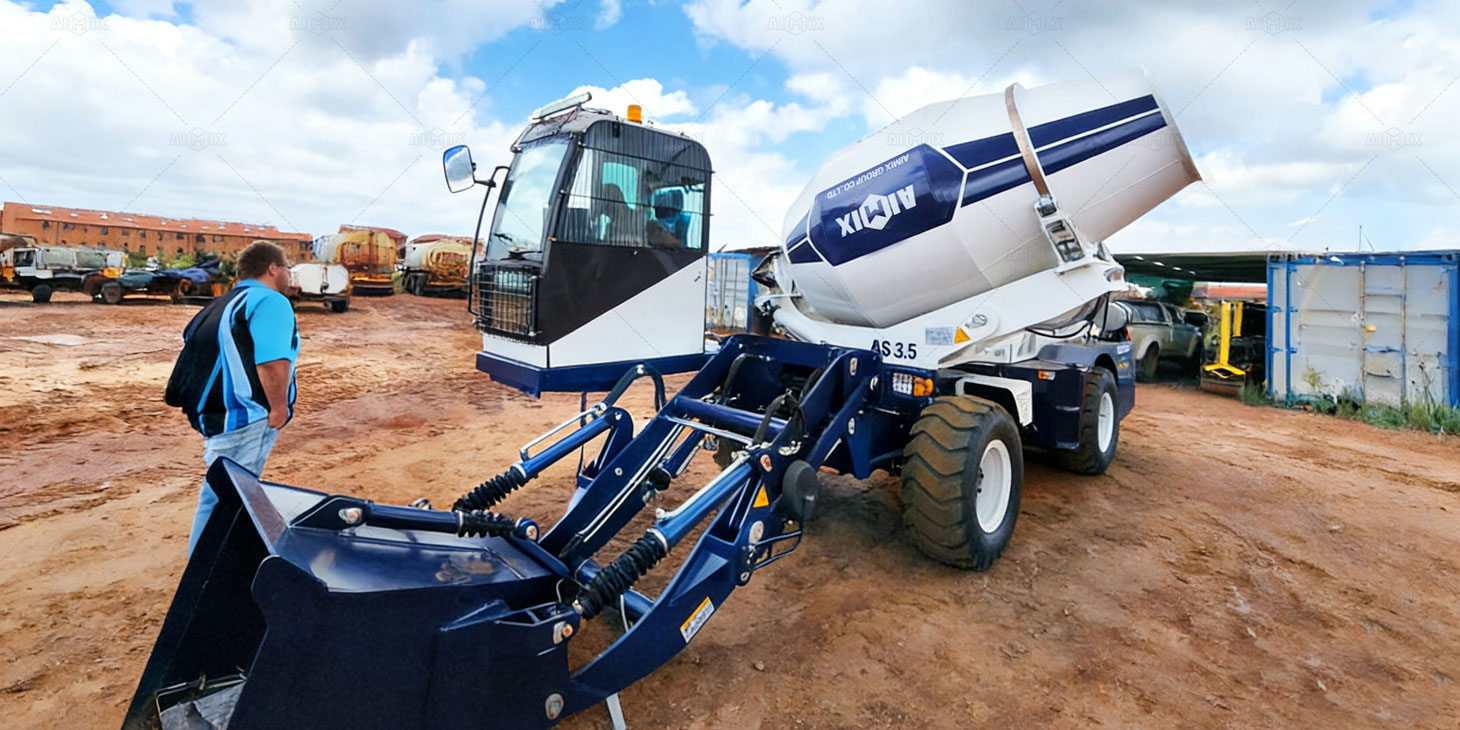
After-sales service is where a manufacturer’s true commitment reveals itself. A widespread service network, staffed by skilled technicians, can transform potential setbacks into manageable inconveniences. Responsive customer assistance adds another layer of reliability, providing guidance when uncertainties arise. Consider the ease of reaching support teams, the promptness of their responses, and the depth of their expertise. A proactive service framework not only resolves issues but often anticipates them, offering maintenance advice and operational insights. This ongoing partnership elevates the ownership experience, turning a simple purchase into a sustained collaboration.
About the Creator
AIMIX
Construction Machine Manufacturer in China. Find Machines here: https://aimixconcretesolution.com/
Enjoyed the story? Support the Creator.
Subscribe for free to receive all their stories in your feed.
Comments