
Founder’s Dilemma: Automattic Board Forces Matt Mullenweg on Leave Amidst Legal and Cultural Turmoil
In a dramatic internal power struggle, the board of WordPress parent company Automattic has placed founder Matt Mullenweg on involuntary leave, appointing CFO Mark Davies as interim CEO following years of controversial leadership, aggressive litigation, and internal unrest.

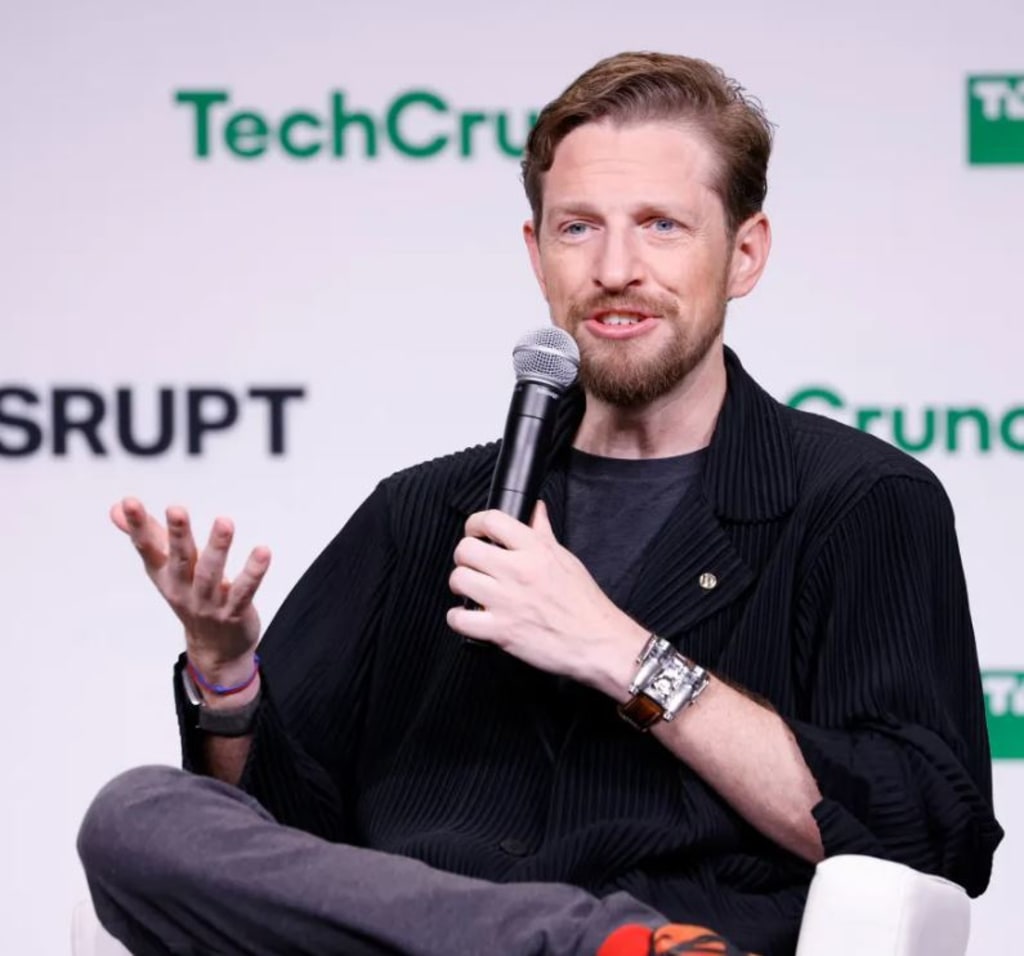
Matt Mullenweg, the founder and CEO of Automattic, best known as the parent company of WordPress.com, has been put on a leave of absence by his board against his will, according to a Slack message seen by TechCrunch. The move marks a stunning rupture in one of the open-source world’s most influential companies, pitting its charismatic but polarizing founder against a board that appears to have lost confidence in his ability to steer the company through its current crises.
Earlier Wednesday, Mullenweg posted in a Slack channel visible to all employees that the company’s Chief Financial Officer, Mark Davies, had “conspired” with other board members Ann Dunwoody, Toni Schneider, and Sue Decker to vote to put Mullenweg on a paid leave of absence. His message was blunt and accusatory: “And the biggest news: I won’t be able to make the [meeting] tomorrow. @Mark Davies has conspired with @Ann Dunwoody, @Toni, and @Sue Decker behind my back, and they voted to put me on a paid leave of absence. I voted against that. Wishing Mark and all of you the very best.”
Mullenweg claimed that he was denied due process, stating he received the resolution only 50 minutes before the meeting started and was refused time to consult independent legal counsel. “To clarify, @Mark Davies was voted as interim CEO,” he wrote, framing the decision as a hostile takeover rather than a governance correction. To clarify the separation of powers, a Slack message to the open-source WordPress.org community from the project’s executive director, Mary Hubbard, also confirmed Mullenweg’s change of status at the commercial company. However, Hubbard said that WordPress.org was not impacted. “Matt remains the leader of the WordPress project, and I remain Executive Director of WordPress. Our teams, priorities, and work continue as planned,” she wrote. This distinction is crucial, as it attempts to shield the non-profit foundation from the corporate turmoil engulfing Automattic.
Mullenweg’s Slack message did not make clear why Automattic’s board took this action. Sources told 404 Media, which was the first to report the news, that Schneider, the former CEO of Automattic from 2006 to 2014 confirmed that the action was initiated by the board. Davies also told employees in the Slack channel that Mullenweg remained on the board of directors, suggesting that while his operational authority has been stripped, his equity and governance role may remain intact for now.
In an emailed statement to TechCrunch, Automattic confirmed Mullenweg was on leave. “Matt Mullenweg is currently on leave from Automattic,” the email read. “Mark Davies, Automattic’s CFO, will lead the company as interim CEO. The Board has full confidence in Mark’s leadership and in the team’s ability to execute against the company’s priorities.” The brevity of the statement contrasts sharply with Mullenweg’s emotional outburst, signaling a desire by the board to stabilize the narrative and reassure investors and partners.
Automattic, which owns other brands including Tumblr, WooCommerce, and Pocket Casts, was founded by Mullenweg in 2003 after he co-created the popular open-source content management system WordPress. For two decades, Mullenweg has been the face of the platform, championing open-source ideals while building a billion-dollar commercial empire. However, over the past few years, Mullenweg and the company have been mired in lawsuits and controversy that have strained relationships with both competitors and the broader developer community.
The company is in a protracted legal battle with WP Engine, a WordPress web hosting competitor. The lawsuit followed allegations from Mullenweg that WP Engine was profiting from the open-source WordPress project without contributing back to the community, and he demanded that it pay 8% of its monthly gross revenue as a royalty fee for using the WordPress brand. This aggressive monetization strategy was viewed by many in the open-source world as a betrayal of the project’s foundational principles. WP Engine sued in October 2024, and accused Automattic and Mullenweg of defamation and abuse of power. Automattic filed counterclaims last year. In February, WP Engine claimed that Automattic intended to target 10 more competitors with royalty claims, raising fears of a broader crackdown on the ecosystem that sustains WordPress.
Tensions became so high under Mullenweg’s leadership that he told employees in 2024 to quit, with severance, if they disagreed with him, and 159 did so. This "purge" of dissenting voices created a culture of fear and conformity, alienating longtime loyalists who felt the company had lost its moral compass. Last year, Mullenweg also threatened to deactivate the accounts of several members of the open-source WordPress.org community, after two of them said they planned to spearhead a new forked version of the open source WordPress project. These actions painted a picture of a leader increasingly willing to use his power to suppress criticism and control the narrative, even at the cost of community trust.
In April 2025, the company laid off 16% of its staff. The cuts included some longtime employees who had been with the company for more than a decade, sources told TechCrunch. These layoffs, combined with the legal battles and cultural shifts, likely contributed to the board’s decision to intervene. Some alumni have been asking current employees how they feel about the news, a source told TechCrunch. Some employees said they were “ecstatic” or “relieved” but others had mixed emotions because the move creates more instability. For those who stayed, the removal of Mullenweg may offer a chance to rebuild a healthier workplace, but it also brings uncertainty about the company’s future direction.
It isn’t clear why the company’s board made this decision now. One person speculated that the timing may have something to do with Mullenweg’s annual trip to the Burning Man festival, after which he tends to return “with ideas.” This year’s festival ended on September 7, just days before the board’s vote. Whether his post-festival proposals were the final straw or merely coincidental remains unknown. But the board’s swift action suggests they were prepared to act regardless of his location.
Mullenweg did not immediately respond to our request for comment. As Automattic enters this new chapter under Mark Davies, the tech world will be watching closely. Can the company heal its fractured relationships with the open-source community? Can it resolve its legal disputes without further damaging the WordPress brand? And perhaps most importantly, can it survive without the visionary who built it? For the first time in twenty years, WordPress is flying without its founder at the controls.
About the Creator
Mark Lim
Hi I am mark an automotive student and a car, tech and food enthusiast ! Im gonna try and post daily & hope you enjoy what I write and do share my page with people you know. I would gladly appreciate it! Cheers
Enjoyed the story? Support the Creator.
Subscribe for free to receive all their stories in your feed.
Comments
There are no comments for this story
Be the first to respond and start the conversation.