
Food for Dengue Patients - What To Eat And What To Avoid
Food for Dengue Patients
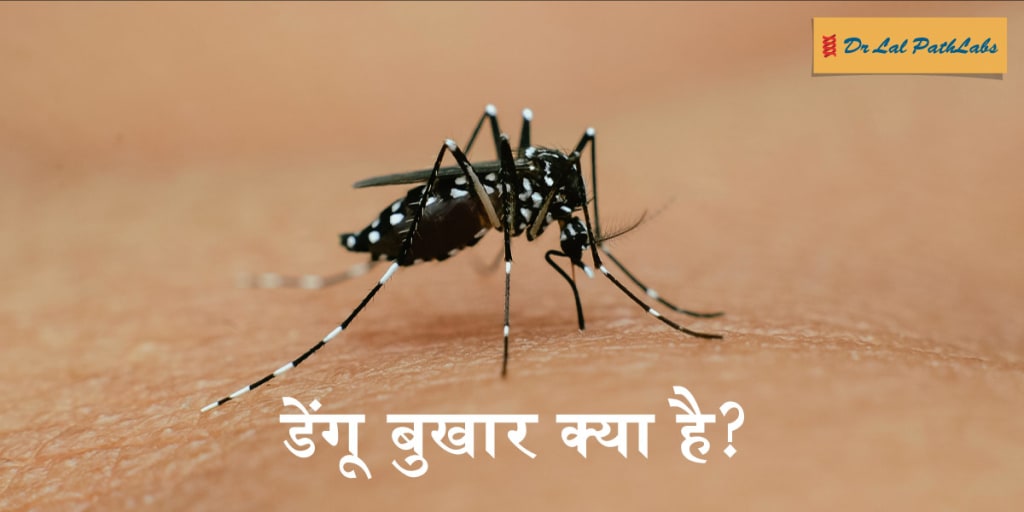
What is dengue?
Dengue fever, a viral illness transmitted by mosquitoes, can lead to symptoms such as high fever, severe headache, pain behind the eyes, joint and muscle pain, and rash. While there is no specific antiviral treatment for dengue, a proper diet can play a crucial role in supporting recovery and managing symptoms. Understanding what to eat and what to avoid is essential for patients to optimize their recovery and maintain their health.
Why is diet crucial in dengue recovery?
As the body battles the dengue virus during the fever phase, maintaining good nutrition and hydration is essential for supporting immune health, preserving energy, and repairing tissues. An effective dengue diet can help reduce symptoms, prevent dehydration, and speed up the recovery process.
How is dengue diagnosed?
To determine if a recent illness is due to the dengue virus, a healthcare provider will review an individual’s medical history, residence or travel history, mosquito exposure, and vaccination records, especially for dengue, yellow fever, and Japanese encephalitis.
What should a dengue diet include?
A dengue diet should include the following essential and nourishing components:
1.Hydrating Fluids:
One of the most critical aspects of a dengue diet is staying well-hydrated. Dengue can cause dehydration due to high fever and fluid loss. Therefore, drinking plenty of fluids is essential. Opt for water, oral rehydration solutions, and clear broths. Coconut water is also highly recommended due to its electrolyte content, which helps replenish lost minerals.
2. Nutrient-Rich Foods:
Eating nutrient-dense foods helps boost the immune system and supports recovery. The best food for dengue fever includes foods rich in vitamins and minerals, such as:
Leafy Greens: Spinach, kale, and other leafy greens are excellent sources of vitamins A and C, which support immune function and overall health.
Fruits: The best fruit for dengue patients includes those high in vitamin C, such as oranges, guavas, and strawberries. These fruits can help enhance immunity and improve recovery.
3. Easily digestible foods:
During dengue fever, patients might experience nausea and loss of appetite. Consuming easily digestible foods like bananas, applesauce, and plain rice can help manage these symptoms and ensure the body gets the necessary nutrients without causing gastrointestinal distress.
4. Protein-Rich Foods:
Incorporate lean proteins like chicken, fish, and tofu into the diet to aid in tissue repair and maintain strength. Proteins are essential for recovery and can help combat fatigue and weakness associated with dengue.
What should a dengue diet not include?
1. High-Sugar Foods:
Foods high in sugar, such as candies, pastries, and sugary beverages, should be avoided. Excessive sugar intake can weaken the immune system and may exacerbate symptoms. Additionally, sugary foods can contribute to dehydration, which is counterproductive during dengue fever.
2. Fatty and Fried Foods:
Fried and greasy foods can be difficult to digest and may worsen gastrointestinal symptoms. These foods can also contribute to inflammation, which is not ideal during recovery. Stick to lighter, healthier cooking methods like steaming or baking.
3. Caffeinated and Alcoholic Beverages:
Caffeine and alcohol can have dehydrating effects and should be avoided. These substances can increase fluid loss and potentially worsen the dehydration caused by dengue fever. Opt for hydrating alternatives to support your recovery.
4. Spicy Foods:
Spicy foods can irritate the digestive tract and may lead to discomfort, especially if nausea is present. It's best to avoid spicy dishes and opt for milder flavors to ensure that the digestive system is not further stressed.
How to manage a dengue diet?
Managing a dengue diet is essential for aiding recovery and alleviating symptoms. Here are some effective tips:
Eat Small, Frequent Meals: Opt for smaller, more frequent meals to ease digestion and prevent overwhelming the stomach.
Follow Hunger Cues: Pay attention to your body’s hunger signals and avoid eating forcefully if you’re not hungry.
Prioritize Rest: Ensure ample rest to support the body's natural healing process.
Seek Medical Advice: Consult a healthcare professional if symptoms persist or worsen for appropriate evaluation and guidance.
A well-structured dengue diet supports symptom management, boosts immune function, and promotes a quicker recovery.
Conclusion
A well-balanced dengue diet is essential for managing symptoms and supporting recovery. Emphasizing hydration, nutrient-rich foods, and easily digestible options can help patients feel better and recover more quickly. Conversely, avoiding high-sugar, fatty, and spicy foods, along with caffeinated and alcoholic beverages, can prevent exacerbation of symptoms and aid in a smoother recovery process. By focusing on the right foods and avoiding those that can hinder recovery, dengue patients can better navigate their illness and support their overall health.
Frequently Asked Questions
Q. What are the food items to avoid in dengue?
Avoid sugary, fatty, spicy foods, and caffeinated or alcoholic beverages.
Q. Which food items should be included in a dengue diet?
Include hydrating fluids, nutrient-rich fruits and vegetables, and easily digestible proteins.
About the Creator
Enjoyed the story? Support the Creator.
Subscribe for free to receive all their stories in your feed.
Comments
There are no comments for this story
Be the first to respond and start the conversation.