
Foldable Frontier: Apple’s iPhone Duo Redefines the Form Factor with Privacy-First Design
Under new CEO John Ternus, Apple enters the foldable market with the iPhone Duo, a wide-format device that prioritizes durability, on-device AI, and a seamless user experience over raw specifications, aiming to capture a quarter of the niche market by year-end.

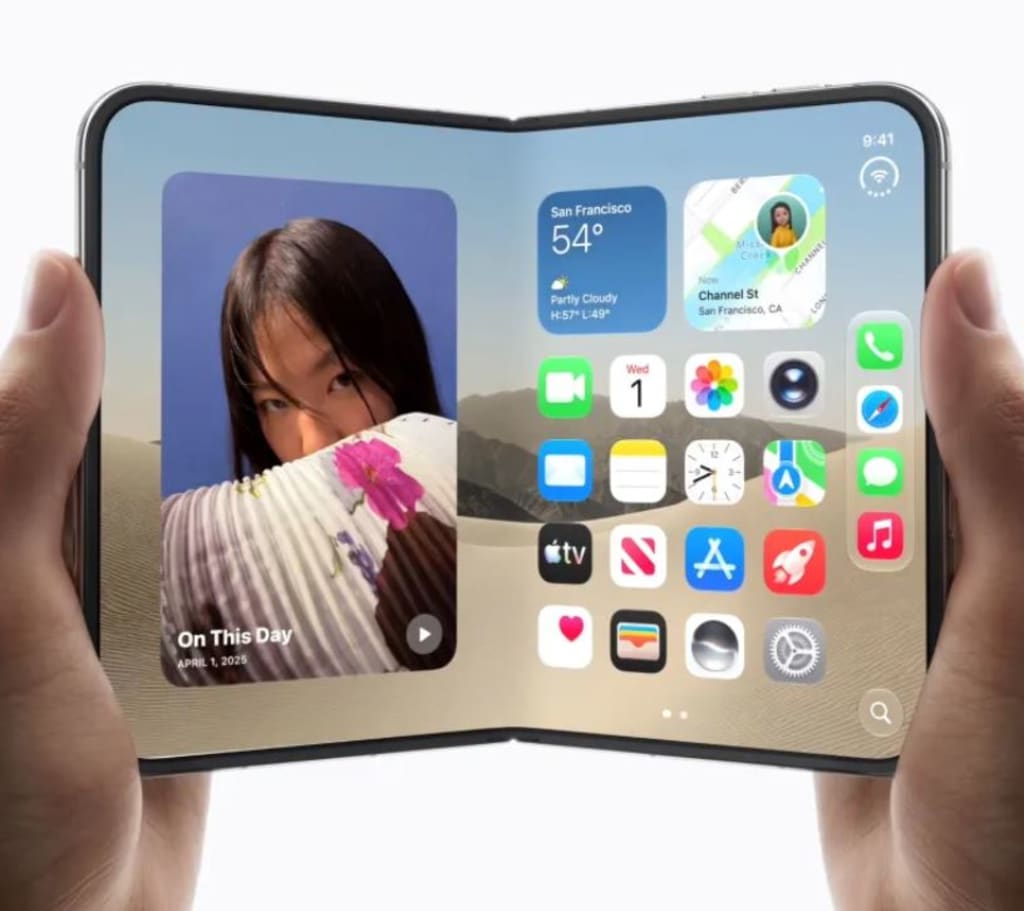
Apple today introduced its first foldable device, named the iPhone Duo, at its "Surprise and Shine" event held in Cupertino. The phone is the first marquee device launched under the company’s new CEO, John Ternus, marking a significant departure from the traditional slab design that has defined the iPhone for nearly two decades. This launch signals Apple’s confidence that it can enter a mature market late and still dominate through superior integration, brand loyalty, and a distinct philosophical approach to hardware design.
Unlike early iterations of foldables, which looked like vertical slabs reminiscent of flip phones, Apple adopted a wider form factor that could aid in a better aspect ratio while watching videos when the device is unfolded. This "book-style" design aligns more closely with the productivity-focused tablets Apple already produces, bridging the gap between the iPhone and the iPad. The unfolded display is a 7.6-inch Retina display, offering ample screen real estate for multitasking and media consumption, while the outer display is 5.4 inches, providing a functional interface for quick tasks without needing to open the device. The company said the new device was “inspired by the versatility of the iPad” and showed how people can use it unfolded in a vertical mode, suggesting a shift toward using the phone as a portable workstation or creative canvas.
The inner display also features an “under-display” camera that can give users an all-screen feel, eliminating the notch or Dynamic Island on the main screen. This technological achievement allows for an immersive viewing experience, crucial for video streaming and gaming. To address the perennial issue of foldable durability and aesthetics, Apple said it used a custom nanotexture finish to hide the crease and reduce glare. Most foldables still have a visible crease, but companies like Oppo have made strides toward an almost seamless phone. Apple’s claim suggests a significant engineering breakthrough, potentially setting a new standard for the industry. The company claimed its hinge was created using grade 5 aluminum and over 100 special components for smooth opening and closing and durability, emphasizing robustness over thinness.
Notably, the device only has Touch ID, with Face ID missing. This decision likely stems from the technical challenges of integrating facial recognition sensors into a folding mechanism that changes shape and thickness. However, you can unlock the device using the Apple Watch, leveraging the ecosystem to compensate for the hardware limitation. This move reinforces Apple’s strategy of using its wearable devices as key authentication tokens, further tying users into its walled garden.
The device is powered by the new A20 Pro chip and C2 modem, which allow for faster uploads and improved connectivity. Just like last year’s iPhone Air, this particular model is eSIM-only, continuing Apple’s push toward a fully digital SIM infrastructure. This decision simplifies the internal design, allowing for more space for battery and cooling components, but may pose challenges for travelers in regions where physical SIMs are still prevalent.
On the battery front, the company said that with the inner display, users can get 31 hours of video playback, and with the outer display, 44 hours of video playback. The disparity highlights the efficiency gains of using the smaller, lower-power outer screen for basic tasks. This dual-battery performance metric underscores the importance of software optimization in managing power consumption across different display modes.
The phone features a 48-megapixel fusion main camera and a 48-megapixel ultrawide camera with 2x optical zoom. This dual-camera setup skips a telephoto camera, a surprising omission for a "Pro" tier device. However, Apple compensates with computational photography. Just like other foldables, users can take rear-camera selfies and look at previews on the outer display. It also has a Google Pixel-like feature that plays an animation on the outer display, which is useful when you are trying to get kids to focus while taking photos. There is also a smart-take feature that uses an on-device model and snaps an image when all subjects within the frame are posing, leveraging the A20 Pro’s neural engine to ensure perfect group shots without manual timing.
The company has made iOS 27 adaptable to the new foldable essential controls, like moving Wi-Fi to the side and dock on the home screen vertically oriented. Users can use apps in split screen and also pair the apps. If someone is using the phone vertically, they can pin a video on top and use other apps in the bottom half. One of the fascinating features is that users will be able to use the iPhone half folded or even set it on a table, enabling a "tent mode" for hands-free video calls or media viewing. Apple noted that later this year, the device will support Apple Pencil, transforming the iPhone Duo into a genuine creative tool and further blurring the lines between phone and tablet.
The iPhone Duo is priced at $1,999 with 256GB of storage and comes in two colors. Preorders for Apple’s new foldable begin on October 16, and the device will be available on October 23. The premium price point positions it as a luxury item, targeting early adopters and professionals who value productivity and status.
Rivals like Samsung and Xiaomi have already launched their version of wide foldables before Apple. However, Apple’s entry is often seen as a market-validation event. According to analytics firm Counterpoint, foldables contribute to less than 2% of shipments in the overall smartphone market. However, Apple’s new phone could be an instant hit, as the analytics firm said the Duo could garner up to 25% market share by the end of the year. This projection reflects the immense power of the Apple brand and the loyalty of its user base, who have been waiting for a foldable that meets Apple’s standards for quality and integration.
With the iPhone Duo, John Ternus has not just launched a new product; he has launched a new category for Apple. It is a device that respects the past while embracing the future, offering a familiar experience in a revolutionary form. Whether it can sustain the momentum of the foldable market remains to be seen, but one thing is certain: Apple has arrived, and it has brought its own rules.
About the Creator
Mark Lim
Hi I am mark an automotive student and a car, tech and food enthusiast ! Im gonna try and post daily & hope you enjoy what I write and do share my page with people you know. I would gladly appreciate it! Cheers
Enjoyed the story? Support the Creator.
Subscribe for free to receive all their stories in your feed.
Comments
There are no comments for this story
Be the first to respond and start the conversation.