
Five Most Perilous Poisons to the Brain
Five most perilous causes of brain rot.Stay away from No matter what!


The brain, a highly intricate and delicate organ, is susceptible to severe and enduring damage from exposure to certain toxins. Here are five of the most hazardous substances that must be avoided at all costs due to their detrimental impact on brain function. Preserving a healthy mind is imperative, but the risk of impairment persists due to synthetic chemicals. Although these are among the most offensive culprits against the mind, the encouraging news is that there are straightforward ways to evade them.
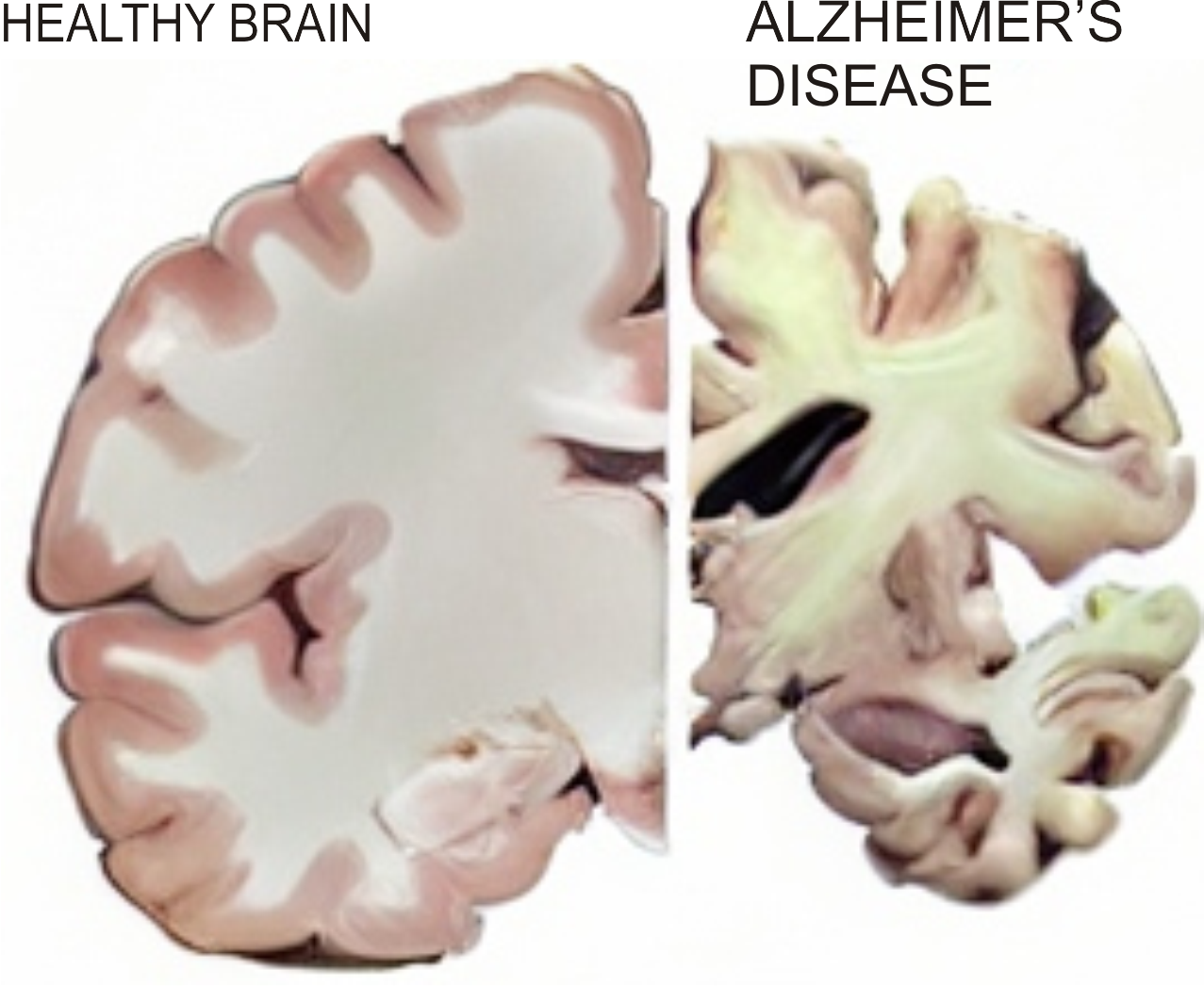
FIVE MOST DANGEROUS TOXINS TO BRAIN
1. **Heavy Metals:**
Heavy metals, insidious toxins not easily eliminated, are pervasive in the bodies and brains of millions due to factors such as vaccines, dental procedures, agricultural chemicals, industrial pollution, and certain foods like fish and chicken. Newborns, particularly vulnerable to traumatic brain damage from mercury, face heightened risks, especially if genetically predisposed. Exposure to mercury has been linked to a range of brain-related diseases, including autism, Alzheimer's, and Parkinson's. To prevent heavy metal toxicity, it is advisable to avoid the flu shot and mercury fillings and take precautions when consuming seafood.
2. **Organophosphate Pesticides:**
Widely used in agriculture, these pesticides pose a threat to the nervous system by inhibiting acetylcholinesterase, a crucial enzyme for neurotransmitter regulation. Prolonged exposure to organophosphates is associated with cognitive deficits, memory problems, and an elevated risk of neurodegenerative diseases. Choosing organic produce and adopting environmentally friendly pest control practices are essential for minimizing exposure.
3. **Air Pollution:**
Although not a singular toxin, exposure to air pollution, including fine particulate matter (PM2.5), ozone, and other pollutants, has been correlated with cognitive decline and an increased risk of neurodegenerative diseases. Fine particulate matter can infiltrate the bloodstream and reach the brain, causing inflammation and oxidative stress. While complete elimination of exposure is challenging, practical steps such as staying informed, limiting outdoor activities on poor air quality days, and creating a clean indoor environment can help mitigate the impact, encourage and practice energy conservation and sustainability. Reducing overall energy consumption helps decrease the emissions of pollutants from power plants and industrial facilities.
By taking these steps, you can actively contribute to reducing your exposure to air pollution and promote a healthier living environment for yourself and your community. Additionally, supporting broader efforts to address and mitigate air pollution can have a positive impact on public health and the environment
4. **Fluoride:**
Widespread fluoridation of public drinking water systems, ostensibly to combat tooth decay, has had insidious effects on the brains of many across North America. Studies link fluoride to lower IQ levels, learning and memory impairment, fetal brain damage, and altered neurobehavioral function. A study funded by UNICEF has revealed a concerning link between fluoride and cognitive function. The study found that even at low levels of fluoride, specifically 0.88 mg/l, IQ scores were reduced. This level of fluoride is considered within the optimal range and is added to the drinking water systems of over 200 million Americans every day. Removing fluoride from water can be achieved through high-quality water filters.
5. **Monosodium Glutamate (MSG):**
As a concentrated salt added to enhance flavor in foods, MSG has been associated with silent brain damage and the potential for conditions like Alzheimer's and Parkinson's. Avoiding processed foods and checking for ingredients like monosodium glutamate or yeast extract is key. When dining out, particularly in Chinese restaurants where MSG is commonly used, requesting the omission of MSG from your dish can be a precautionary measure.
Avoiding these toxins is paramount for sustaining optimal brain health.
About the Creator
Enjoyed the story? Support the Creator.
Subscribe for free to receive all their stories in your feed.
Comments
There are no comments for this story
Be the first to respond and start the conversation.