
Find My Phone: How Find My Device and Find My iPhone Help Track Lost Smartphones
Find My Phone technology is making it easier to recover misplaced smartphones, with location, tracking, and security tools giving Android and iPhone users more options when a device goes missing.
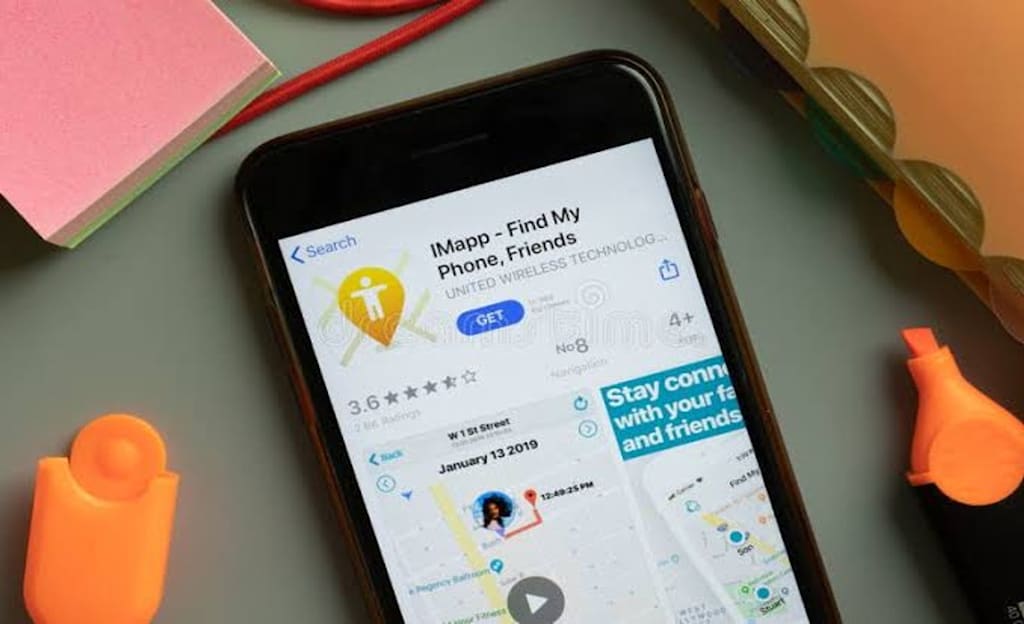
Find My Phone helps users recover lost smartphones with Find My Device, Find My iPhone and Android tracking tools. Find My Phone can also help with Call My Phone, mobile device tracking, smartphone security and practical lost phone recovery for today's users.
Date Published: 3 August 2026
Losing a smartphone can turn an ordinary day into a frustrating search. A phone can contain photographs, messages, contacts, banking apps and access to online accounts, so finding it quickly can matter for more than simply getting the handset back.
Find My Phone technology has changed how people approach that problem. Instead of relying only on memory or searching every room, smartphone owners can use built-in tracking and recovery features to work out where a missing device may be.
For Android users, Find My Device provides a way to locate and manage a missing phone. iPhone owners have similar options through Apple's Find My system. There are also simpler approaches, including calling a phone when it may have been misplaced nearby.
Finding a Lost Phone Has Become Easier
A lost phone is not always a stolen phone.
It could have been left in a car, slipped between cushions, dropped into a bag or simply forgotten at work. In those situations, being able to check the device's location or make it produce a sound can save considerable time. That is one reason phone recovery tools have become such an important part of modern smartphones.
The technology also reflects how much more important phones have become. A handset is now often used for work, banking, shopping, entertainment and communication. Losing one can temporarily cut off access to a significant part of a person's digital life. This means recovering the physical phone and protecting the information stored on it have become closely connected.
How Find My Device Can Help Android Owners
Android users looking for a missing phone can use Find My Device to check whether their handset can be located. The service is designed around Google's device ecosystem and can provide information that helps users determine where a compatible device may be. Depending on the circumstances, users may also have options for securing the handset.
The usefulness of any tracking service depends on factors such as the phone's battery, connectivity, account settings and whether the relevant features were enabled.
That is worth remembering when searching for a lost phone. Tracking technology can be extremely useful, but it cannot guarantee that every missing device will appear on a map. For someone who thinks their Android phone may have been left nearby, checking its location can be a sensible first step before searching the surrounding area manually.
Find My iPhone Gives Apple Users Another Option
Apple users have their own established approach to locating missing devices through Find My iPhone and the wider Find My network. The system is particularly useful because an iPhone can contain a large amount of personal information. Photographs, messages, email accounts, contacts and applications may all be connected to the device. Being able to locate an iPhone can therefore be about convenience as well as security.
If the device has been misplaced, location information may help identify where to search. If it cannot immediately be recovered, users can consider the security options available through Apple's system. This combination of location and protection has become a normal part of smartphone ownership.
Sometimes Calling the Phone Is Still the Best Solution
Advanced tracking is not always necessary. If a phone has been lost somewhere inside a house, office, or vehicle, the quickest solution may simply be to call it. Call My Phone remains useful for exactly this reason. A ringing handset can reveal its location without requiring the owner to search through multiple rooms or remember where it was last used.
There is also something reassuring about the simplicity of this approach. Not every lost phone requires sophisticated technology. Sometimes the device is only a few metres away. For that reason, calling a missing handset can still be one of the first things worth trying.
What Makes Phone Tracking Useful?
The main advantage of modern phone tracking is that it can reduce the amount of guesswork involved in finding a missing device. Without tracking information, someone may only know where they last remember using their phone. That does not necessarily mean the handset is still there.
Location technology can provide another piece of information.
For example, someone who believes they left a phone at home may discover that it is somewhere else. A person who misplaced a handset while travelling may be able to narrow down the search area. The information is not always precise, and circumstances can change, but even an approximate location can make a physical search much easier.
Lost Phone Recovery Is Also About Security
Finding the handset is only one part of the problem. A modern smartphone may provide access to personal accounts and sensitive information, which means smartphone security should be considered whenever a device goes missing.
Users may need to think about their email, banking applications, social media accounts, photographs and other private information. This is why recovery services increasingly combine tracking with security features. If a phone cannot immediately be found, protecting the information connected to it can become more important than knowing exactly where the handset is at that moment.
People should also avoid assuming that tracking technology makes a phone impossible to lose. Basic precautions still matter. Keeping account information secure, using a screen lock, and understanding the recovery options available on a device can all make a difference.
Android Tracking and Apple's Approach
Android tracking and Apple's device-location features work within different technology ecosystems, but they address the same basic problem.
A smartphone owner wants to know where a missing device is and what can be done next. That is why searches around Find My Phone, Find My Device and Find My iPhone often have a similar underlying intent.

The terminology may change depending on the device, but the question remains straightforward: how can the owner recover the missing phone?Understanding which service applies to a particular handset can prevent wasted time.
The Role of Mobile Device Tracking
Mobile device tracking is becoming increasingly familiar to smartphone users. As phones have become more connected, manufacturers and technology companies have developed systems designed to make missing devices easier to locate.
That does not mean every phone can always be tracked successfully. A device may have a dead battery, lose connectivity, or have settings that limit the available information. There can also be situations where the displayed location is not sufficiently precise to identify the exact place where the phone has been left.
Even so, tracking can provide valuable information that would otherwise be unavailable. For users trying to locate lost phone devices, the ability to narrow down a search can be the difference between spending hours looking and finding the handset relatively quickly.
Could AI Make Find My Phone Technology Smarter?
Artificial intelligence is increasingly being incorporated into consumer technology, and smartphone recovery could eventually benefit from the same trend.
AI smartphone technology could help recovery systems interpret information more effectively and provide users with clearer suggestions. Rather than simply presenting a location, future systems could potentially offer more useful context about a missing device.
Call My Phone - For example, smarter software could help identify unusual movement or recognise patterns in the way a device is normally used. However, artificial intelligence is not a magic solution to every lost-phone problem.
Battery life, network coverage, location accuracy and device settings will continue to matter. The most useful developments are likely to be those that make existing recovery technology easier for ordinary people to understand. The goal should remain practical: help someone find their phone and protect their information.
What To Do When a Phone Goes Missing
The first step is usually to think about where the phone was last used. If it may be nearby, calling the handset can be worthwhile. If that does not work, the relevant tracking service can provide another way to investigate.
Android owners can check Find My Device, while iPhone owners can use Find My iPhone and related Find My features. If the device appears to be somewhere unexpected, users should also consider the security implications rather than immediately assuming it can be recovered. The circumstances matter.
A phone misplaced at home is very different from a handset that appears to have travelled to an unfamiliar location. That is why modern recovery tools are most useful when combined with common sense.
The Future of Smartphone Recovery
The basic idea behind Find My Phone is unlikely to disappear as smartphones become more important. If anything, recovery technology is likely to become more integrated with the wider smartphone experience.
Location services, connected devices, security features and artificial intelligence could all contribute to more useful recovery systems in the future.The biggest change may not be the ability to locate a phone itself, but the ability to give users better information about what to do after the device disappears. That could make lost phone recovery less stressful and reduce the risk associated with losing access to personal information.
For now, the most useful approach remains knowing what recovery options are available before a phone goes missing.
Find My Phone Remains a Practical Technology Search
The continuing interest in Find My Phone reflects a straightforward everyday problem. People lose smartphones, and they want to know how to find them. Find My Device gives Android users an established recovery option. Find My iPhone provides Apple users with similar capabilities. Calling a missing handset can still solve simple situations, while wider mobile device tracking and security features provide additional protection. The technology will continue to develop, but the underlying purpose remains unchanged.
A smartphone may be small, but it can contain an enormous amount of personal information. Being able to locate it, secure it, and recover it is therefore an increasingly important part of owning a connected device.
Readers interested in learning more about lost phone location technology and the wider topic of smartphone recovery can find additional information at Find My Phone.
About the Creator
Alex Ray
Education: American University, BA in Journalism Alexander Ellington is the chief editor and reporter for Biden News & a number of other media websites.
Thanks for being a reader and leave aTip if you wish.
Enjoyed the story? Support the Creator.
Subscribe for free to receive all their stories in your feed.
Comments
There are no comments for this story
Be the first to respond and start the conversation.