
Find My Phone: How Find My Device and Find My iPhone Help Track Lost Phones Instantly
How Find My Phone, Find My Device, Find My iPhone, and Google Find My Phone help users track lost phones, secure data, and recover devices fast
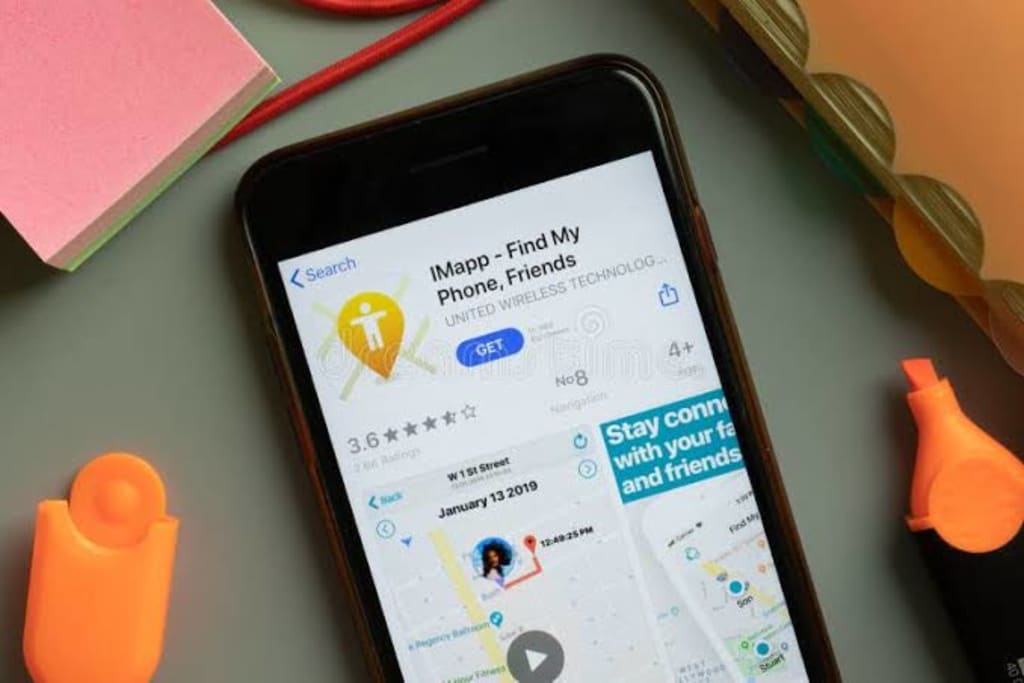
Find My Phone: How Find My Device and Find My iPhone help track lost phones instantly. Find My Phone tools, Google Find My Phone, and Call My Phone help users track lost phones fast.
By Alex Ray, Consumer Technology and Mobile Security Journalist
Published: September 16, 2026
Find My Phone tools let users quickly locate, ring, and secure a lost device with Find My Device, Find My iPhone, and Google Find My Phone. Losing a phone used to mean retracing steps, checking every room, and hoping for the best. That is no longer how it works. Today, Find My Phone is the first response, not the last resort. Users now go straight to built-in tracking tools, and in many cases, the device appears on a map within seconds.
This is not a backup option. It is the default reaction.
What is Find My Phone?
Find My Phone is the collective name for a set of device-tracking and recovery tools built into modern smartphones. On Android, the primary tool is Find My Device. On iPhone, the equivalent is Find My iPhone, part of Apple's Find My network. Google Find My Phone is the search term millions of users type when they need to quickly locate an Android device. Find My Mobile is Samsung's equivalent for Galaxy devices. Together, these tools allow users to track lost phones, ring a misplaced handset, secure personal data, and in some cases recover the device entirely.
Find My Phone tools work by connecting to the device's location services, account credentials, and network connection. If the phone is powered on and connected, it usually appears on a map within seconds. From there, users act based on what they see. If the phone is close, they trigger a sound. If it is further away, they focus on tracking its location and securing access.
Why Find My Phone Tools Are Gaining Attention
Phones now hold more than calls and messages. They contain apps, personal data, photographs, banking access, and digital identity. Losing one creates a risk, not just an inconvenience. That is why Find My Mobile features are now considered essential rather than optional.
Android users rely on Find My Android Phone, while Apple users use My iPhone tracking through iCloud. Both systems are designed to help users find your phone quickly while protecting their data. The difference between recovery and permanent loss is often speed. The sooner the user acts, the higher the chance of getting the device back.
There has been a clear shift in how people react when a phone goes missing. Instead of guessing where it might be, users now go straight to Find My Phone, Find My Device, or Google Find My Phone. This behaviour is already established. It is no longer a niche feature. It is part of normal phone use.
How Find My Phone Works to Track Lost Phones
In most cases, the process is simple. Users log in, check the location, and act immediately. If the phone is nearby, they use sound alerts to locate it quickly. If it is further away, they use tracking and security features to protect it.
Find My Device allows Android users to see the phone's last known location, ring it, lock it, or erase it remotely. Find My iPhone gives Apple users similar options through iCloud, including the ability to mark the device as lost. Google Find My Phone is the search path most Android users follow to access these features. Find My Mobile offers Samsung users additional tools, including offline tracking in some models.
In many cases, users rely on Call My Phone first before checking the location, especially when the phone is likely nearby. This often leads to a quick recovery without needing further steps. Call My Phone remains one of the fastest ways to locate a device inside a home, office, or vehicle. For quick access, users sometimes go directly to Find My Phone. The combination of tracking and calling remains the most effective approach.
What many users do not realise is that Find My Phone tools can also help before a device is permanently lost. Setting up tracking in advance means that if the phone goes missing, recovery is immediate rather than delayed. Users who have enabled Find My Device on Android or Find My iPhone on Apple devices are significantly more likely to recover their handset. For a complete overview of how these tools work in practice, visit Find My Phone.
Find My Phone in the Mobile Security Ecosystem
Find My Phone tools do not operate in isolation. They are part of a broader mobile security ecosystem that includes device encryption, screen locks, two-factor authentication, and remote wipe capabilities. When a phone goes missing, the tracking tool is the first step. The security features are the safety net.
Apple's Find My iPhone is integrated with iCloud and Activation Lock, which prevents a stolen device from being reactivated without the owner's credentials. Google's Find My Device is linked to the user's Google account and can be accessed from any browser. Find My Mobile adds Samsung-specific features, including the ability to track a device even when it is offline, depending on the model.
For users who want to find your phone quickly, understanding which tool applies to their device is the first step. Find My Phone is not one app. It is a category of tools, and each platform has its own version. The terminology may vary, but the purpose is the same: help users locate a missing device and protect the data it contains.
Market and Trend Context – Why Track Lost Phone Searches Are Rising
Searches for Track Lost Phone and Track Lost Phones have increased steadily as smartphone dependence has grown. People store more personal and financial information on their devices than ever before. The ability to track lost phone situations quickly is now part of everyday use.
The shift is also behavioural. Users no longer wait to see if the phone turns up. They act immediately. Find My Phone, Find My Device, and Google Find My Phone are now search terms that spike within minutes of a device going missing. The expectation is instant results, and in many cases, that is what the tools deliver.
The rise of Find My Android Phone searches reflects the dominance of Android devices globally. The continued use of Find Your Phone as a search phrase shows that users often do not know the exact name of the tool they need. They simply want to find your phone, and they search for whatever phrase comes to mind. My iPhone searches remain strong among Apple users who rely on the Find My ecosystem.
Limitations still exist. The phone must be powered on, connected, and have location enabled. If it is switched off, only the last known location is available. Even so, that can still help narrow things down. Preparation makes a difference. Users who have already enabled Find My Phone tools are far more likely to recover their device. Those who have not often realise this too late.
Final Insight
Find My Phone tools are now part of how people use smartphones. Whether it is Find My Device, Find My iPhone, or Google Find My Phone, users expect to use them the moment a device goes missing. Track Lost Phone and Track Lost Phones are no longer niche search terms. They are part of everyday digital life.
For immediate access and support, users can refer to Find My Phone. The tools exist. The question is whether they are set up before the phone goes missing. That is the difference between tracking a device and losing it for good.
About the Creator
Alex Ray
Education: American University, BA in Journalism Alexander Ellington is the chief editor and reporter for Biden News & a number of other media websites.
Thanks for being a reader and leave aTip if you wish.
Enjoyed the story? Support the Creator.
Subscribe for free to receive all their stories in your feed.
Comments
There are no comments for this story
Be the first to respond and start the conversation.