
Fika Jobs Wants to Replace Resumes With AI-Conducted Video Interviews
A Stockholm startup just raised $4 million to build a TikTok-like hiring platform where candidates are pre-screened by AI agents instead of disappearing into resume black holes


The hiring process has a particular kind of opacity built into its foundation: candidates spend hours on applications and cover letters, submit everything into what feels like a void, and then hear nothing. Even when they do get interviews, the first few minutes often feel like a performance designed to highlight qualities that don't actually translate to how someone works or whether they'll be good at the job.
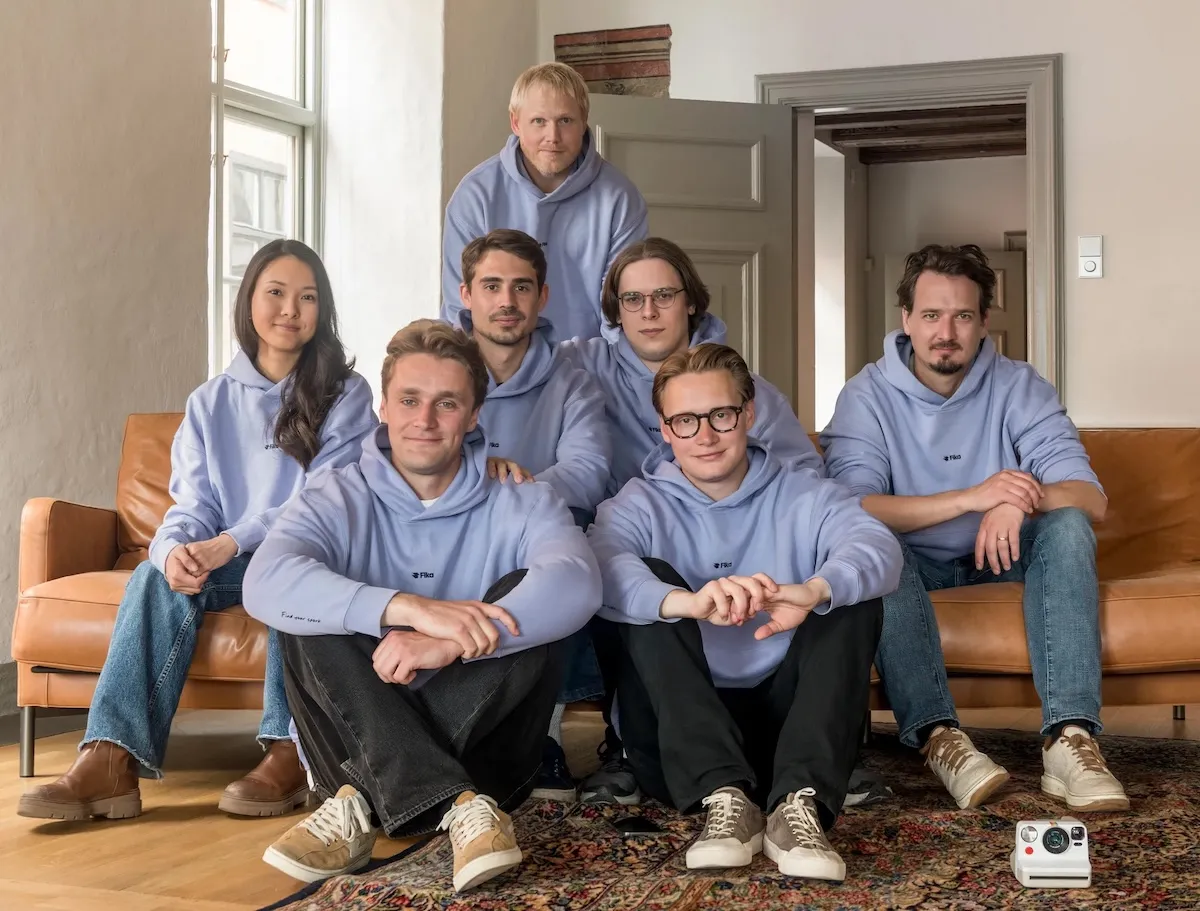
Fika Jobs, a Stockholm-based startup, thinks this entire structure can be flipped. Instead of candidates applying endlessly and hoping someone reads their resume, they're building a platform where candidates create persistent video profiles pre-screened by AI agents, and employers browse a pool of people who've already been vetted. It's like TikTok meets LinkedIn, if LinkedIn's primary function were hiring.
The company just announced a $4 million pre-seed round to continue platform development, grow the team, and prepare for a wider public launch later this year.
How It Actually Works
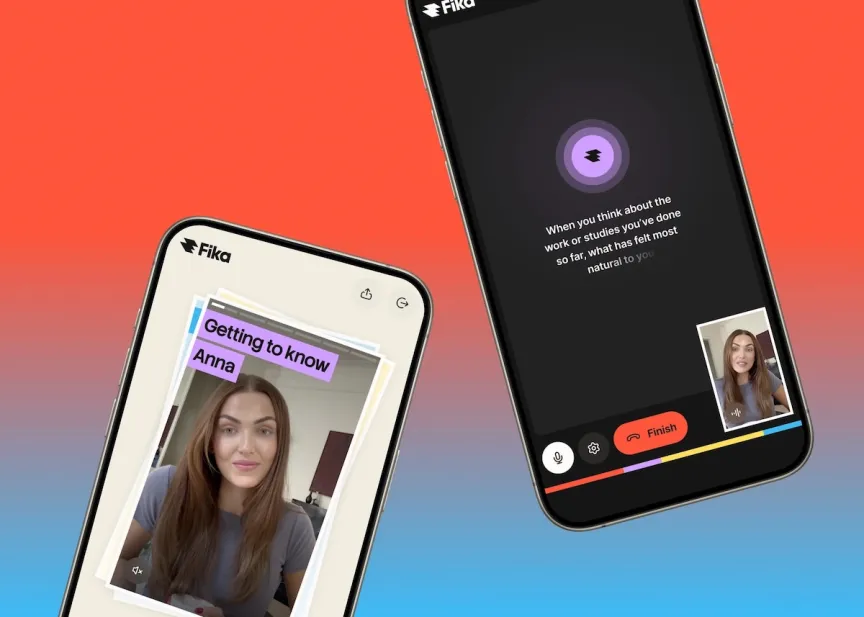
For job seekers, the process starts by connecting to a LinkedIn profile. Fika's AI reviews the candidate's background and generates personalized interview questions tailored to their experience and the roles they're interested in. Candidates then complete a roughly 10-minute video interview with an AI agent currently powered by Google's Gemini models.
After the interview concludes, Fika automatically turns candidate responses into short video clips and organizes them into a profile. Instead of applying separately to each new role, candidates maintain a live profile that employers can discover and revisit as new opportunities surface. The platform essentially creates a persistent "I'm available and here's who I am" presence rather than a transactional job application.
Where the Insight Came From
The idea emerged from the founding team's own hiring experience. Co-founders and brothers Jakob Dubois (CEO) and Alexander Dubois (CTO) were building their previous startup, a social app called Gaff, when they nearly passed on a candidate whose resume didn't stand out. When they spoke with him anyway, his qualities, grit, drive, and ambition became immediately apparent in conversation, even though a resume would never have captured them.
That experience crystallized a particular insight: some qualities employers genuinely care about, such as communication skills, personality, and how someone talks about their work, are genuinely difficult to capture on paper. A video conversation, conducted early and standardized through AI, could surface those qualities before candidates have invested hours in applications or employers have invested time in unstructured interviews.
Different From Existing Approaches
Unlike most competitor platforms (Alex, Maki, and Mercor among them) that focus on helping employers source, screen, and match candidates more efficiently using AI, Fika is building something inverted. Instead of employers using AI to filter out candidates, candidates maintain video-first profiles, and employers browse a pre-evaluated pool.
If it works, this approach could help employers assess communication skills and cultural fit early in the hiring process, potentially being especially valuable for early-career professionals and candidates from non-traditional backgrounds, people whose potential often doesn't translate to a resume format but becomes obvious once you hear them talk about their work.
The Obvious Bias Problem
The platform's strength, seeing candidates actually communicate, seeing their personality, is also its most serious weakness. Video profiles mean employers can see a candidate's race, age, gender, physical appearance, and accent before evaluating their actual qualifications. It opens the door directly to discrimination in a way that a resume, for all its documented flaws, at least partially obscures.
There's a reason some forward-thinking companies have moved toward blind resume screening, removing identifying information to reduce unconscious bias. Fika's approach essentially does the opposite. The company will need to address this head-on if it wants to be taken seriously by larger employers concerned about legal exposure and genuinely committed to reducing hiring bias. The AI agents conducting interviews might help standardize the experience, but the video output itself introduces bias vectors that a resume never would.
The Business Model and Early Traction
The platform is free for job seekers. Employers pay nothing upfront, but Fika takes 10% of a candidate's first-year salary upon a successful hire, lower than the 20% to 30% placement fees traditional recruiters and headhunters typically charge, but still substantial enough to create genuine revenue if the platform actually produces successful placements.
Early traction appears real. More than 100 companies are on the waitlist, the founders say (though they wouldn't name them). More than 50 companies have tested the platform, including Plenty Labs, SICS.ai, Kognity, and Rebtel. The funding round was led by Luminar Ventures, with participation from Alliance VC and King co-founders Sebastian Knutsson and Riccardo Zacconi, the duo behind Candy Crush, which is notable validation from people who understand how to build platforms at scale.
The Launch Plan
Fika is opening early access to candidates this week, with a broader public launch expected in the fall. The company is starting in Sweden before expanding a sensible approach for a European startup internationally, maintaining focus while building credibility in the home market before tackling competitive US hiring platforms.
The team is currently small but expects to reach around 10 employees by year's end, suggesting they're using this funding to hire rather than immediately scale.
The Underlying Tension
Fika Jobs is solving a real problem: the hiring process genuinely does obscure qualities that matter, and video conversations genuinely do surface things resumes miss. But it's doing so in a way that introduces a different, potentially more serious problem, one rooted in how humans evaluate other humans when they can see identifying characteristics.
The company will need to either solve the bias problem credibly or be prepared for pushback from employers genuinely concerned about legal exposure. How Fika addresses that challenge will likely determine whether this becomes a genuinely valuable hiring tool or a cautionary tale about well-intentioned products that democratize access while simultaneously democratizing discrimination.
About the Creator
Mark Lim
Hi I am mark an automotive student and a car, tech and food enthusiast ! Im gonna try and post daily & hope you enjoy what I write and do share my page with people you know. I would gladly appreciate it! Cheers
Enjoyed the story? Support the Creator.
Subscribe for free to receive all their stories in your feed.
Comments
There are no comments for this story
Be the first to respond and start the conversation.