
Failure Analysis and Prevention in Workshop Crane Operations
Ensuring Reliability and Safety in Industrial Environments

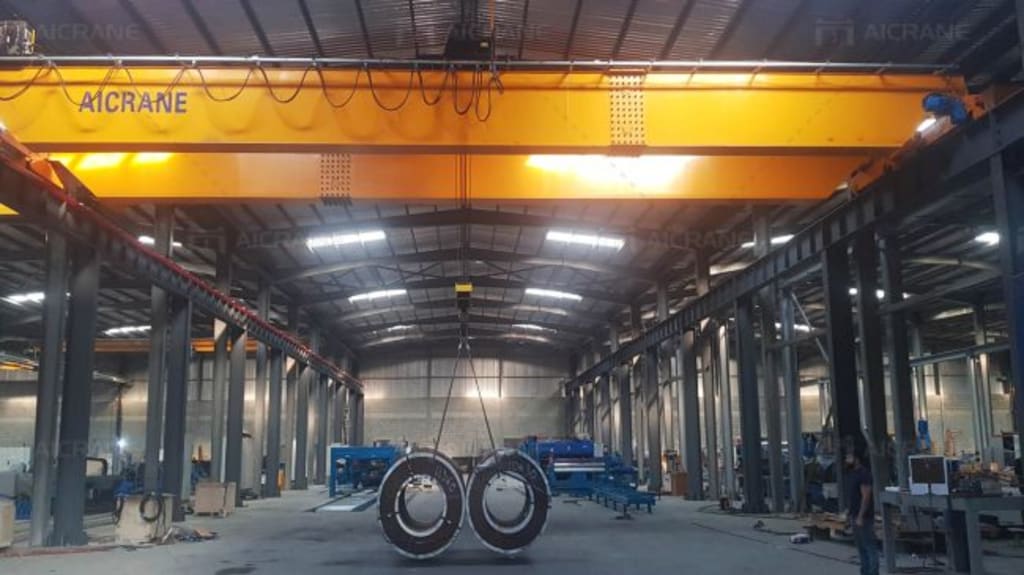
Workshop cranes are essential components in industrial settings, providing vital support for lifting, moving, and positioning heavy materials. Despite their robust design and construction, workshop cranes can experience failures that disrupt operations, cause financial losses, and pose safety hazards. Understanding the causes of these failures and implementing preventive measures is crucial for maintaining efficient and safe crane operations. This article delves into failure analysis and prevention in workshop crane operations, offering insights into common failure modes, diagnostic techniques, and best practices for avoiding breakdowns.
Common Failure Modes in Workshop Cranes
Workshop cranes can fail due to various reasons, including mechanical, electrical, and operational issues. Identifying common failure modes is the first step in preventing them.
Mechanical Failures: These are often due to wear and tear, material fatigue, and inadequate maintenance. Common mechanical issues include:
Hoist and Trolley Failures: Overloading, improper use, and lack of lubrication can cause hoist and trolley components to fail. Broken gears, frayed cables, and worn-out bearings are typical problems.
Structural Failures: Cracks, deformations, and corrosion in the crane's structural components, such as the girders and beams, can lead to catastrophic failures.
Braking System Failures: Faulty or worn-out brakes can result in uncontrolled loads, posing severe safety risks.
Electrical Failures: Electrical issues can stem from power surges, faulty wiring, and component degradation. Common electrical problems include:
Control System Failures: Malfunctioning control panels, damaged wiring, and defective sensors can disrupt crane operations.
Motor Failures: Overheating, insulation breakdown, and electrical arcing can cause motor failures, leading to downtime.
Operational Failures: Human errors and improper use of the crane can result in operational failures. Common issues include:
Overloading: Exceeding the crane's load capacity can cause mechanical stress and component failure.
Improper Handling: Incorrect handling of loads, such as sudden movements or improper rigging, can lead to accidents and equipment damage.
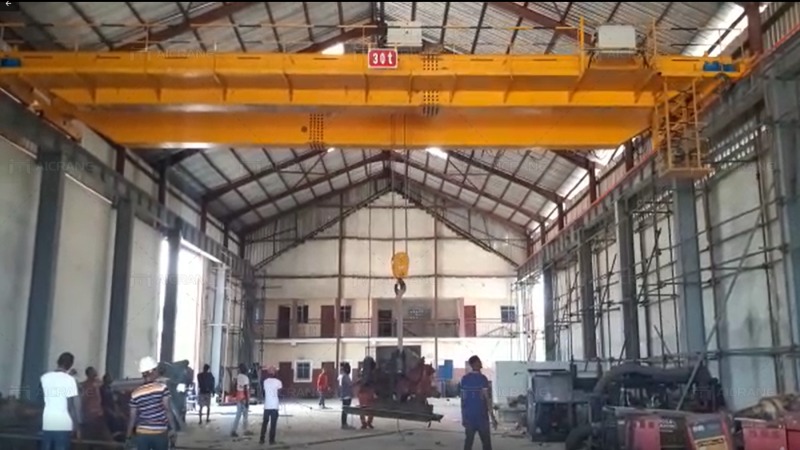
Diagnostic Techniques for Failure Analysis
Accurate failure analysis is essential for identifying the root causes of crane failures. Several diagnostic techniques can be employed to analyze and prevent failures:
Visual Inspections: Regular visual inspections are crucial for identifying obvious signs of wear, damage, and corrosion. Inspecting the crane's structural components, hoist, trolley, and wiring can reveal potential issues before they escalate.
Non-Destructive Testing (NDT): Techniques such as ultrasonic testing, magnetic particle testing, and radiography can detect hidden defects in the crane's structural components without causing damage. NDT methods are effective for identifying cracks, corrosion, and other subsurface flaws.
Vibration Analysis: Monitoring the crane's vibration levels can help detect mechanical issues such as misalignment, imbalance, and bearing wear. Vibration analysis is particularly useful for identifying problems in rotating components like motors and hoists.
Thermography: Infrared thermography can identify hotspots and temperature anomalies in the crane's electrical systems. This technique is useful for detecting overheating motors, faulty wiring, and electrical connections.
Load Testing: Periodic load testing ensures that the crane can handle its rated capacity without failure. Load tests can reveal weaknesses in the hoist, trolley, and structural components, allowing for timely repairs and adjustments. If you want to know more about overhead cranes information, you can just click here now to get details.
Preventive Measures for Workshop Crane Failures
Preventing failures in workshop cranes requires a proactive approach that includes regular maintenance, operator training, and adherence to safety standards. Here are some best practices for preventing crane failures:
Regular Maintenance: Implementing a comprehensive maintenance program is crucial for preventing mechanical and electrical failures. Regular maintenance tasks include:
Lubrication: Ensuring that all moving parts, such as gears, bearings, and cables, are properly lubricated to reduce friction and wear.
Inspection and Replacement: Regularly inspecting and replacing worn-out components, such as hoist cables, bearings, and brakes, to prevent failures.
Electrical System Checks: Conducting routine checks on the electrical system, including wiring, control panels, and motors, to identify and fix potential issues.
Operator Training: Proper training for crane operators is essential for preventing operational failures. Training programs should cover:
Safe Operating Procedures: Teaching operators the correct methods for lifting, moving, and positioning loads to prevent overloading and improper handling.
Emergency Procedures: Training operators on how to respond to emergency situations, such as equipment malfunctions and load drops, to minimize risks.
Adherence to Safety Standards: Complying with industry safety standards and regulations is critical for ensuring safe crane operations. Key standards include:
Load Capacity Limits: Adhering to the crane's rated load capacity and avoiding overloading to prevent mechanical stress and failures.
Regular Inspections: Conducting regular inspections and maintenance in accordance with industry standards to identify and address potential issues.
Implementing Advanced Technologies: Leveraging modern technologies can enhance the reliability and safety of workshop cranes. Advanced technologies include:
Automated Monitoring Systems: Installing automated monitoring systems that provide real-time data on the crane's performance, load handling, and structural integrity. These systems can alert operators to potential issues before they lead to failures.
IoT Integration: Integrating the crane with the Internet of Things (IoT) for predictive maintenance and remote monitoring. IoT-enabled cranes can provide insights into usage patterns, wear and tear, and maintenance needs.
Case Studies: Success Stories in Failure Prevention
Examining real-world examples of successful failure prevention can provide valuable insights into best practices. Here are a few case studies:
Automotive Manufacturing Plant: An automotive manufacturing plant implemented a comprehensive maintenance program that included regular vibration analysis and thermography. By identifying and addressing issues such as bearing wear and electrical hotspots, the plant reduced crane downtime by 30% and improved overall productivity.
Steel Fabrication Facility: A steel fabrication facility adopted advanced control systems and IoT integration for their workshop cranes. The real-time monitoring and predictive maintenance capabilities of these systems helped the facility identify potential failures early and schedule timely repairs. This proactive approach resulted in a 25% reduction in maintenance costs and a significant increase in crane reliability.
Warehousing and Logistics Company: A warehousing and logistics company focused on operator training and adherence to safety standards. By ensuring that operators were well-trained and followed safe operating procedures, the company minimized operational failures and accidents. The result was a safer work environment and improved crane efficiency.
Failure analysis and prevention in workshop crane operations are critical for ensuring the reliability, safety, and efficiency of industrial processes. By understanding common failure modes, employing diagnostic techniques, and implementing preventive measures, businesses can minimize the risk of crane failures and enhance productivity. Regular maintenance, operator training, adherence to safety standards, and leveraging advanced technologies are key strategies for achieving these goals. Through a proactive approach to failure prevention, industries can maintain seamless operations and achieve long-term success.
About the Creator
Aicrane Group
Aicrane is a professional fabrication and trade integration enterprise in Overhead Crane, Gantry Crane, Rubber Tire Gantry Crane, Boat Lift, Steel Structure Workshop, Construction Winch, Marine Winch,etc.
Enjoyed the story? Support the Creator.
Subscribe for free to receive all their stories in your feed.
Comments