
Exploring the Mechanics of Hydraulic Hammers for Excavators
Understanding the Functionality, Applications, and Benefits of Hydraulic Hammers in Excavation Work
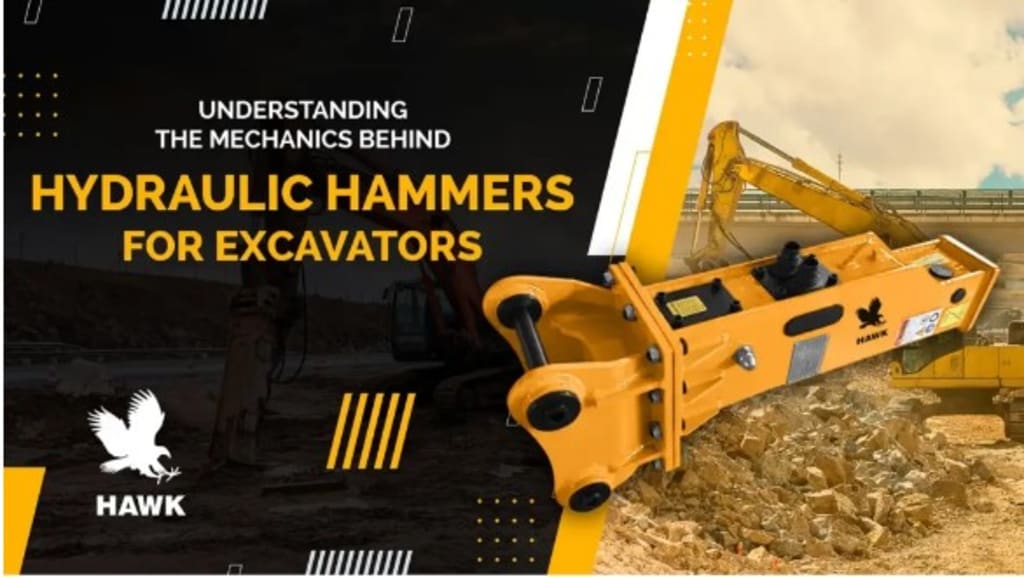
Hydraulic hammers, also known as hydraulic breakers, are powerful tools that attach to excavators, backhoes, and other heavy machinery to break up rock, concrete, and other hard materials. These hammers are essential in construction, demolition, mining, and quarrying industries, where breaking up large, solid materials is a routine task.
Overview and Applications
Hydraulic hammers are indispensable in scenarios where precision and power are required to break through tough materials. They are commonly used in:
Construction Sites: To break up concrete structures, roads, and sidewalks.
Demolition Projects: For tearing down buildings and other structures made of reinforced concrete or brick.
Mining and Quarrying: To extract minerals and ores by breaking apart large rocks.
Trenching and Excavation: To remove rocks and other hard obstacles during trenching operations.
The versatility of hydraulic hammers makes them a crucial attachment for excavators, enhancing their capability to handle tough jobs that would otherwise require more time and effort.
2. How Hydraulic Hammers Work
Understanding the mechanics of hydraulic hammers is key to appreciating their power and efficiency. These tools leverage the hydraulic power from the excavator to deliver intense blows that can break through the hardest materials.
Basic Operation Principles
Hydraulic hammers work on the principle of hydraulic fluid power. When the operator activates the hammer, hydraulic fluid from the excavator flows into the hammer, moving a piston. This piston, in turn, strikes a tool bit (such as a chisel), which then applies force to the material being broken. The force generated is intense, often delivering hundreds or thousands of blows per minute, which makes quick work of breaking through concrete, rock, and other tough materials.
Key Components
Several key components make up a hydraulic hammer:
Piston: The main moving part that delivers the forceful blows.
Tool Bit: The replaceable tip that directly contacts and breaks the material. Common types include chisels, blunt points, and spades.
Accumulator: Stores hydraulic energy and helps smooth out the pressure fluctuations in the system, ensuring consistent performance.
Hydraulic Cylinder: Houses the piston and controls its movement.
Valve System: Regulates the flow of hydraulic fluid to control the hammer’s operation.
Each of these components plays a vital role in ensuring the hammer operates effectively and efficiently, allowing it to tackle a wide range of tasks.
3. Types of Hydraulic Hammers
Hydraulic hammers come in various sizes and designs, each suited to different types of work. Choosing the right type of hammer depends on the specific application and the type of material that needs to be broken.
Light-Duty vs. Heavy-Duty Hammers
Light-Duty Hammers: These are smaller and lighter, making them ideal for tasks such as breaking up concrete on sidewalks, driveways, and smaller construction sites. They are often used in residential projects where precision is more important than sheer power.
Heavy-Duty Hammers: Designed for large-scale demolition and mining projects, heavy-duty hammers are larger, more powerful, and capable of breaking through the toughest materials like reinforced concrete, large boulders, and solid rock. These hammers are essential for quarrying operations and major construction projects where large amounts of material need to be broken down quickly.
Common Models and Their Uses
Some common hydraulic hammer models include:
Standard Hydraulic Hammers: These are versatile tools used in a wide range of applications, from light demolition to medium-duty construction work.
Silenced Hydraulic Hammers: Equipped with noise-dampening features, these hammers are ideal for urban environments where noise pollution is a concern.
Underwater Hydraulic Hammers: Specifically designed for underwater demolition and construction tasks, these hammers are used in marine construction projects.
Each type of hammer is tailored to specific needs, ensuring that operators can choose the right tool for the job.
4. Choosing the Right Hydraulic Hammer
Selecting the appropriate hydraulic hammer for your excavator is crucial for maximizing efficiency and effectiveness on the job site.
Factors to Consider
When choosing a hydraulic hammer, consider the following factors:
Impact Energy: The amount of force the hammer can deliver per blow, typically measured in joules or foot-pounds. Higher impact energy is necessary for breaking through tougher materials.
Blow Rate: The number of blows the hammer can deliver per minute. A higher blow rate is ideal for tasks that require faster completion.
Weight: The weight of the hammer should be compatible with the excavator. An oversized hammer can reduce the excavator’s stability, while an undersized hammer may not provide enough power.
Hydraulic Flow Rate: The hammer must match the hydraulic flow rate of the excavator to operate efficiently.
Application: Consider the specific job the hammer will be used for, such as demolition, trenching, or quarrying, to ensure the chosen model is suitable.
Compatibility with Excavators
Ensuring that the hydraulic hammer is compatible with your excavator is vital. The hammer’s weight and hydraulic requirements must match the excavator’s capabilities. Using an incompatible hammer can lead to reduced performance, equipment damage, and safety risks.
5. Installation and Maintenance
Proper installation and regular maintenance are essential for ensuring the hydraulic hammer performs reliably over time.
Proper Installation Techniques
Check Compatibility: Before installation, confirm that the hammer is compatible with the excavator.
Secure the Attachment: Attach the hammer securely to the excavator’s boom and arm. Ensure all bolts and connections are tight.
Connect Hydraulic Hoses: Properly connect the hydraulic hoses, ensuring there are no leaks.
Test the Hammer: After installation, test the hammer to ensure it operates smoothly and without any issues.
Regular Maintenance Tips
Inspect Regularly: Regularly inspect the hammer for signs of wear, such as cracks or damage to the tool bit and other components.
Lubricate Moving Parts: Ensure that all moving parts are well-lubricated to prevent excessive wear and tear.
Check Hydraulic Fluid Levels: Regularly check the hydraulic fluid levels in the hammer and excavator to ensure proper operation.
Replace Worn Parts: Replace any worn or damaged parts immediately to avoid further damage to the hammer.
Following these maintenance tips will help extend the life of the hydraulic hammer and maintain its performance.
6. Safety Considerations
Operating hydraulic hammers safely is paramount to prevent accidents and ensure the well-being of operators and those around them.
Safe Operation Practices
Wear Protective Gear: Operators should always wear appropriate safety gear, including hard hats, gloves, eye protection, and hearing protection.
Clear the Area: Ensure the work area is clear of unnecessary personnel to prevent injuries from flying debris.
Use Proper Technique: Operators should be trained in the proper techniques for using hydraulic hammers to avoid damaging the equipment or causing injury.
Monitor the Hammer: Keep a close eye on the hammer during operation, and stop immediately if any unusual sounds or vibrations occur.
Preventing Common Hazards
Avoid Overheating: Running the hammer continuously for long periods can cause it to overheat. Take breaks as needed to allow the hammer to cool.
Be Aware of Surroundings: Operators should always be aware of their surroundings, especially when working in confined spaces or near other equipment.
Proper Disposal of Materials: Safely dispose of broken materials, especially if they contain hazardous substances like asbestos or lead.
7. Top Hydraulic Hammer Brands
Several leading manufacturers produce high-quality hydraulic hammers, each with its unique features and advantages.
Leading Manufacturers
Epiroc: Known for producing durable and high-performance hammers, Epiroc offers a wide range of models suitable for various applications.
Atlas Copco: Renowned for their innovative designs, Atlas Copco hammers are designed for efficiency and reliability in tough conditions
.
Montabert: Specializes in producing hammers that offer high impact energy and versatility, making them ideal for demanding projects.
Product Comparisons
When comparing hydraulic hammers from different brands, consider factors such as impact energy, weight, durability, and cost. Each brand offers models that cater to different needs, so it’s essential to choose the one that best fits your specific requirements.
8. Conclusion
Hydraulic hammers are powerful tools that significantly enhance the capabilities of excavators in various industries, from construction to mining. By understanding the mechanics, types, and proper use of hydraulic hammers, operators can select the right tool for the job and ensure it operates efficiently and safely. Regular maintenance and adherence to safety guidelines are crucial for maximizing the lifespan and performance of these essential machines.
In summary, hydraulic hammers are indispensable for breaking through tough materials efficiently. Whether for light-duty construction or heavy-duty demolition, choosing the right hammer and maintaining it properly will lead to better productivity and safer work environments.
About the Creator
Enjoyed the story? Support the Creator.
Subscribe for free to receive all their stories in your feed.
Comments
There are no comments for this story
Be the first to respond and start the conversation.