
Energy Efficiency and Sustainability in Double Girder Bridge Crane Operations
Enhancing Efficiency and Reducing Environmental Impact

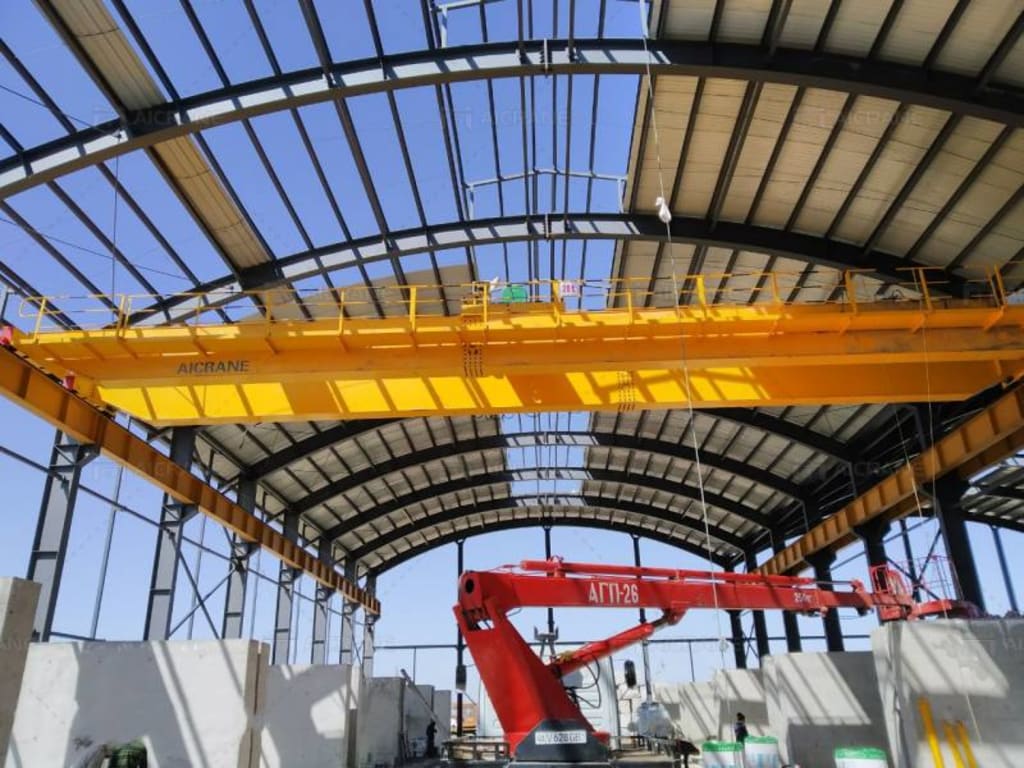
As industries worldwide strive for greater sustainability and efficiency, the focus on energy-efficient operations has intensified. Double girder bridge cranes, essential for heavy lifting in various sectors, present significant opportunities for improving energy efficiency and reducing environmental impact. This article explores the strategies and technologies that enhance the energy efficiency and sustainability of double girder bridge crane operations, offering insights into the benefits and implementation challenges.
Understanding Double Girder Bridge Cranes
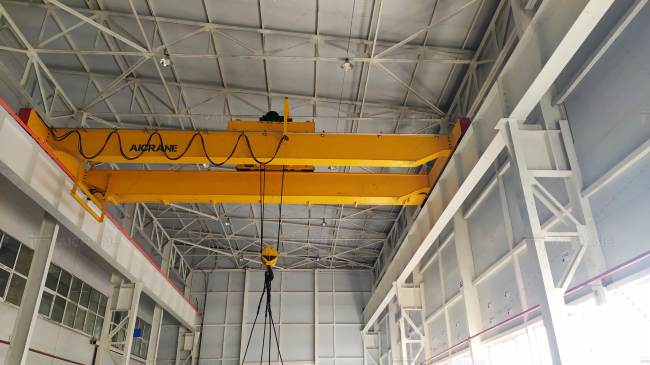
Double girder bridge cranes consist of two parallel girders supporting the bridge, which carries the hoist and trolley. These cranes are used for heavy-duty lifting tasks, providing higher load capacities and greater span widths than single girder cranes. While their robust design is advantageous for industrial applications, it also necessitates significant energy consumption, highlighting the importance of energy-efficient practices.
The Importance of Energy Efficiency
Energy efficiency in crane operations is vital for several reasons:
Cost Savings: Reducing energy consumption lowers operational costs, offering substantial savings over the crane's lifespan.
Environmental Impact: Decreasing energy usage reduces greenhouse gas emissions, contributing to environmental sustainability.
Regulatory Compliance: Adhering to energy efficiency standards helps meet regulatory requirements and avoid potential penalties.
Operational Efficiency: Energy-efficient systems often result in smoother, more reliable operations, reducing downtime and maintenance needs.
Strategies for Enhancing Energy Efficiency
Advanced Control Systems
Modern control systems, such as variable frequency drives (VFDs) and programmable logic controllers (PLCs), optimize crane performance and energy use. VFDs adjust the motor speed to match the required load, reducing energy consumption during light loads or idle periods. PLCs enable precise control of crane movements, minimizing energy wastage by ensuring efficient operation.
Regenerative Braking
Regenerative braking systems capture and reuse the energy generated during braking. Instead of dissipating this energy as heat, regenerative systems convert it into electrical energy, which can be fed back into the power grid or used to power other crane functions. This technology not only saves energy but also reduces wear and tear on braking components.
High-Efficiency Motors
Upgrading to high-efficiency motors can significantly reduce energy consumption. These motors, designed to operate at higher efficiencies, convert more electrical energy into mechanical energy, resulting in lower energy losses. Although high-efficiency motors may have a higher initial cost, the long-term energy savings and reduced operational costs often justify the investment.
Lightweight Materials
Using lightweight materials in the construction of crane components, such as the girders and trolleys, can reduce the overall weight of the crane. This reduction in weight decreases the energy required to move the crane and its load, improving energy efficiency. Advanced materials, such as high-strength steel and composites, offer the dual benefits of reduced weight and increased durability.
Energy-Efficient Lighting
Energy-efficient lighting solutions, such as LED lights, can significantly reduce the energy consumption of crane operations. LEDs offer higher luminous efficacy and longer lifespans compared to traditional lighting, resulting in lower energy usage and maintenance costs. Additionally, integrating smart lighting systems that adjust brightness based on ambient conditions can further enhance energy savings. If you are interested in knowing more details about different overhead cranes, you can check this page for reference: https://aicranemachine.com/overhead-crane/
Sustainability Practices in Crane Operations
In addition to energy efficiency, sustainable crane operations encompass a broader range of practices aimed at minimizing environmental impact and promoting long-term viability.
Lifecycle Assessment
Conducting a lifecycle assessment (LCA) of double girder bridge cranes helps identify areas for improvement throughout the crane's lifecycle, from design and manufacturing to operation and disposal. By evaluating the environmental impact at each stage, manufacturers and operators can implement sustainable practices, such as using recyclable materials and reducing waste.
Regular Maintenance and Inspection
Regular maintenance and inspection are crucial for ensuring the efficient and sustainable operation of cranes. Well-maintained cranes operate more efficiently, consume less energy, and have a longer lifespan. Predictive maintenance, which uses data analytics and sensors to predict and address potential issues before they occur, can further enhance operational efficiency and sustainability.
Eco-Friendly Manufacturing
Adopting eco-friendly manufacturing practices, such as using renewable energy sources, reducing emissions, and minimizing waste, contributes to the overall sustainability of crane operations. Manufacturers can also implement green supply chain practices, sourcing materials from sustainable suppliers and reducing the environmental impact of transportation.
Employee Training and Awareness
Educating employees about energy-efficient and sustainable practices is essential for achieving long-term success. Training programs should cover the importance of energy efficiency, proper crane operation techniques, and the benefits of regular maintenance. Encouraging a culture of sustainability within the organization can lead to more proactive efforts to reduce energy consumption and environmental impact.
Benefits and Challenges of Implementation
Benefits
Cost Reduction: Lower energy consumption leads to reduced operational costs and improved profitability.
Environmental Impact: Sustainable practices decrease greenhouse gas emissions and resource consumption, contributing to environmental protection.
Regulatory Compliance: Meeting energy efficiency standards helps avoid fines and enhances the company’s reputation.
Operational Reliability: Energy-efficient and well-maintained cranes are less prone to breakdowns, improving overall productivity.
Challenges
Initial Investment: Upgrading to energy-efficient technologies and materials may require significant upfront costs.
Technological Integration: Integrating new technologies with existing systems can be complex and may require specialized expertise.
Employee Resistance: Changing established practices and adopting new technologies may encounter resistance from employees.
Enhancing the energy efficiency and sustainability of double girder bridge crane operations is a multifaceted endeavor that requires the integration of advanced technologies, sustainable practices, and employee engagement. By focusing on energy-efficient control systems, regenerative braking, high-efficiency motors, and lightweight materials, operators can achieve significant energy savings and reduce their environmental impact. Coupled with sustainable manufacturing, regular maintenance, and employee training, these strategies can lead to more efficient, cost-effective, and environmentally responsible crane operations. As industries continue to prioritize sustainability, the adoption of these practices will become increasingly important in achieving long-term success and environmental stewardship.
About the Creator
Aicrane Group
Aicrane is a professional fabrication and trade integration enterprise in Overhead Crane, Gantry Crane, Rubber Tire Gantry Crane, Boat Lift, Steel Structure Workshop, Construction Winch, Marine Winch,etc.
Enjoyed the story? Support the Creator.
Subscribe for free to receive all their stories in your feed.
Comments