
Embracing Modern Education Technology Transform Your Classroom for Future-Ready Learning
Practical Strategies to Integrate Advanced Tools for Enhanced Student Engagement
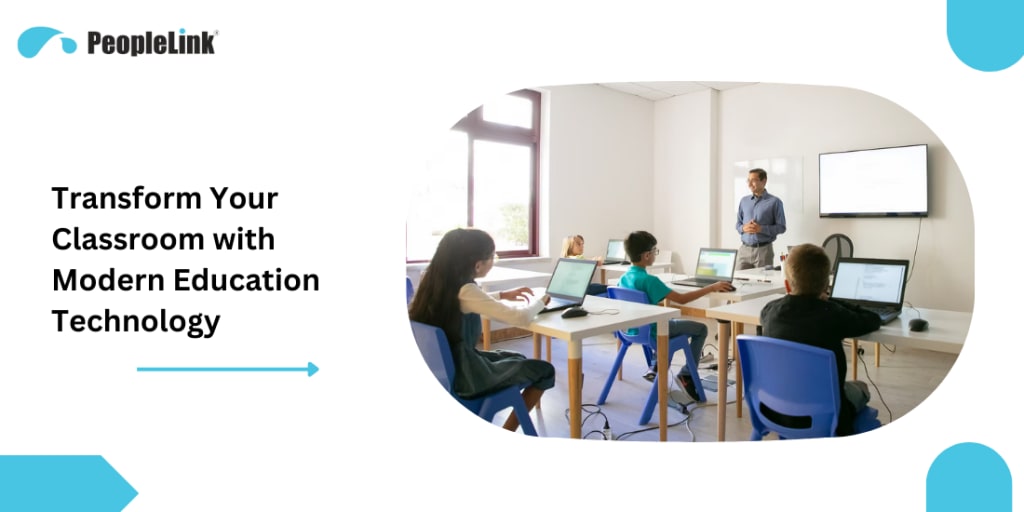
The landscape of education is evolving rapidly, and technology plays a crucial role in reshaping the classroom experience. Integrating modern education technology not only improves learning outcomes but also prepares students for the digital future. Here are key strategies to effectively transform your classroom using advanced technology.
1. Interactive Displays for Immersive Learning
Interactive displays have revolutionized traditional teaching methods. Tools like interactive whiteboards and smart panels encourage student engagement through visual storytelling, collaborative activities, and real-time problem-solving. These devices allow educators to annotate directly on digital content, making complex subjects easier to understand.
Pro Tip: Use interactive displays to host brainstorming sessions, conduct quizzes, and enhance group projects for deeper student involvement.
2. Video Conferencing Solutions for Virtual Collaboration
Hybrid learning has become increasingly important, and video conferencing tools provide seamless communication for remote students. Platforms like Zoom, Microsoft Teams, and PeopleLink's advanced conferencing systems ensure students stay connected regardless of their location.
Pro Tip: Schedule virtual guest lectures or group discussions to expose students to global perspectives and enhance their knowledge base.
3. Digital Learning Platforms for Personalized Education
Personalized learning platforms cater to individual student needs. Tools like Google Classroom, Canvas, and Moodle enable educators to assign tasks, track progress, and provide tailored resources based on students' strengths and weaknesses.
Pro Tip: Implement adaptive learning platforms that adjust content difficulty based on student performance for improved comprehension.
4. Augmented Reality (AR) and Virtual Reality (VR)
Immersive learning through AR and VR is gaining traction in modern classrooms. These technologies allow students to experience historical events, explore scientific phenomena, or visit global landmarks without leaving the room.
Pro Tip: Introduce VR simulations in subjects like biology, physics, and geography to create memorable learning experiences.
5. Digital Assessment Tools for Smarter Evaluation
Modern education technology provides teachers with automated grading tools, quiz platforms, and interactive assessment software. These tools not only save time but also offer valuable insights into individual and class-wide performance trends.
Pro Tip: Use platforms to create engaging assessments that improve student participation.
6. Cloud-Based Storage and Collaboration
Cloud solutions such as Google Drive, OneDrive, and Dropbox allow students and teachers to collaborate on documents, projects, and presentations in real-time. These platforms ensure accessibility from anywhere, promoting flexibility in learning.
Pro Tip: Encourage students to create shared folders for group assignments to enhance teamwork and streamline project management.
7. Smart Classroom Management Systems
Classroom management software helps educators control digital content access, monitor student activities, and ensure online safety. Tools like LanSchool and NetSupport offer features for screen monitoring, messaging, and content filtering.
Pro Tip: Implement digital management systems to maintain focus during lessons and reduce distractions.
8. Digital Whiteboards for Real-Time Collaboration
Digital whiteboards enable teachers and students to brainstorm ideas, illustrate concepts, and build mind maps collectively. These tools improve interaction and ensure even shy students can contribute confidently.
Pro Tip: Use digital whiteboards for peer collaboration activities or to explain complex topics step-by-step.
9. E-Libraries and Digital Resources
Online libraries and digital textbooks provide easy access to extensive knowledge bases. Platforms like JSTOR, Project Gutenberg, and Coursera support independent research and self-paced learning.
Pro Tip: Encourage students to explore e-libraries to build research skills and expand their knowledge beyond textbooks.
Conclusion
Embracing modern education technology is essential for fostering interactive, flexible, and effective learning environments. By integrating interactive displays, video conferencing tools, personalized platforms, and digital assessments, educators can unlock new ways to engage students and improve their academic outcomes. The key lies in choosing the right tools that align with your teaching objectives and student needs.
About the Creator
Enjoyed the story? Support the Creator.
Subscribe for free to receive all their stories in your feed.
Comments
There are no comments for this story
Be the first to respond and start the conversation.