
Elevating Perspectives: Capturing the 40 Ton Overhead Crane in Wide Views
Exploring the Power and Precision of a 40 Ton Top Running Crane in Expansive Industrial Settings

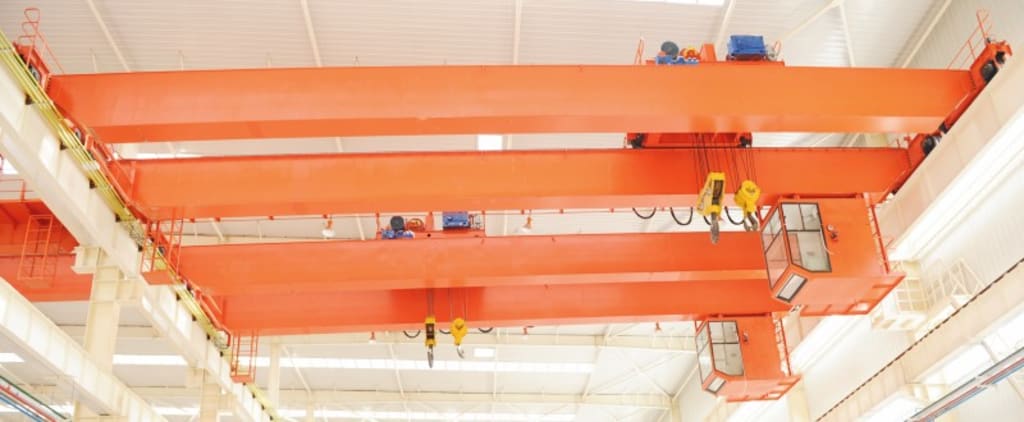
In the realm of industrial machinery, few images capture the sheer scale and engineering prowess as powerfully as a 40 ton overhead crane viewed from a wide, expansive perspective. These large, sophisticated machines are not merely tools for lifting heavy loads; they represent the pinnacle of modern material handling technology. Whether installed in manufacturing plants, sprawling warehouses, or on busy construction sites, the 40 ton overhead crane plays a pivotal role in streamlining operations and ensuring safety across a range of industries.
A Modern Marvel of Engineering
At its core, the 40 ton overhead crane is engineered to perform heavy-duty lifts with remarkable precision and efficiency. Designed with robust structural elements, such cranes often feature a double girder configuration that distributes weight evenly and enhances stability during operation. This meticulous engineering ensures that even when tasked with lifting loads of up to 40 tons, the crane maintains optimal performance and durability over prolonged periods.
One of the key design variations in overhead cranes is the top running crane configuration. In a top running crane, the crane’s bridge travels on top of the runway beams rather than beneath them. This design not only maximizes the available lifting capacity but also provides a cleaner, more unobstructed operational area. The keyword “top running crane” embodies this innovative approach—a design choice that enhances both functionality and aesthetic appeal by offering expansive views of the surrounding workspace.
Capturing the Big Picture
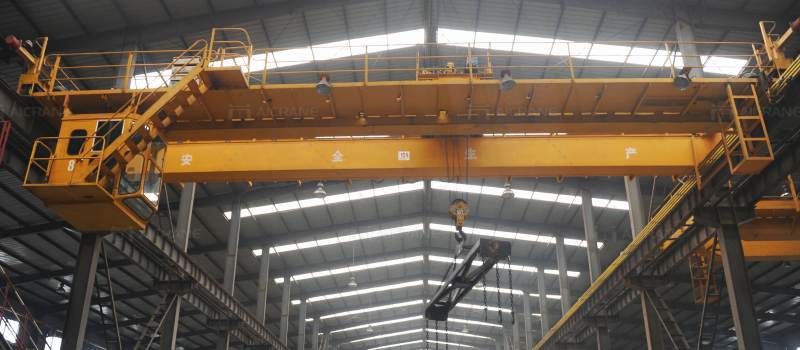
Wide-angle views of a 40 ton overhead crane bring its impressive scale and complexity into clear focus. When seen from a distance, the crane appears as a dominant, almost architectural presence within the industrial landscape. This wide perspective allows one to appreciate not just the machine itself but also its integration into the broader operational environment. The juxtaposition of the massive crane against the backdrop of a large facility underscores its role as an indispensable piece of equipment that harmonizes with other elements in a manufacturing or construction ecosystem.
The expansive views also serve a practical purpose. They help engineers and facility managers visualize the entire operating area, ensuring that the crane’s movement paths, load capacities, and safety buffers are optimally planned. Photographers and videographers, in turn, utilize these wide views to create compelling visuals that communicate both the functionality and the scale of the equipment. Such imagery is crucial for technical documentation, marketing materials, and training resources, where clarity and detail are paramount.
Technological Advancements and Operational Excellence
Modern 40 ton overhead cranes are equipped with a suite of advanced technologies that enhance their performance and safety. For instance, computerized control systems offer precise control over every aspect of the crane’s movement—from hoisting and lowering to horizontal travel along the runways. These systems often include variable frequency drives (VFDs) that allow operators to adjust acceleration and deceleration smoothly, reducing mechanical stress and extending the lifespan of the crane.
The integration of sensor technologies and real-time monitoring systems further elevates operational safety. By continuously tracking load weights, structural stresses, and environmental conditions, these systems enable proactive maintenance and quick responses to any potential issues. The top running crane design plays an important role here, as it provides unobstructed sensor placement and clearer data collection, which together contribute to a more reliable and efficient operation.
Applications That Redefine Industrial Efficiency
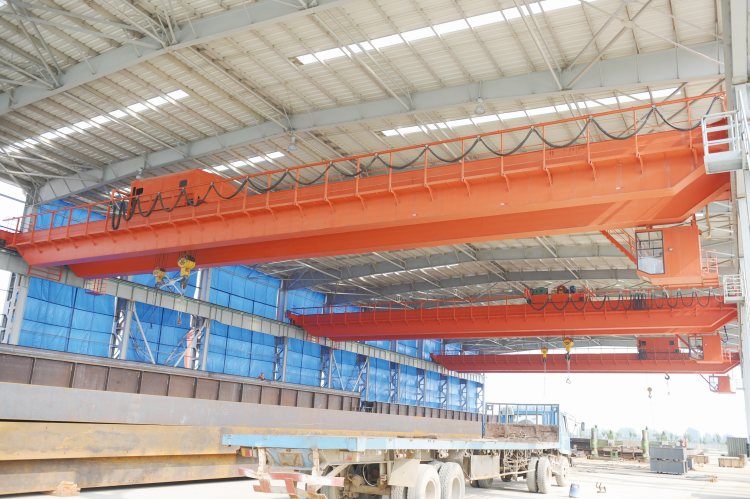
A 40 ton overhead crane is not a one-trick pony—it is a versatile workhorse designed to meet the demands of various industrial sectors. In manufacturing, such cranes are essential for moving large components across assembly lines, ensuring that production processes are both efficient and uninterrupted. In warehouses and distribution centers, they facilitate the rapid and safe movement of heavy goods, optimizing space utilization and streamlining logistics.
Construction sites also benefit immensely from the capabilities of a 40 ton overhead crane. Here, the crane is often tasked with hoisting and positioning massive steel beams and pre-fabricated components, contributing to the swift erection of large structures. The wide-angle views of these cranes in action emphasize not only their lifting power but also the strategic planning that goes into ensuring every lift is executed with precision and safety.
Safety and Efficiency Hand in Hand
The safety features incorporated into modern overhead cranes cannot be overstated. Every component—from the braking systems to the load sensors—is engineered to prevent accidents and protect both operators and bystanders. The clear, wide views of the crane’s operation help in monitoring these safety systems in real time. This comprehensive oversight ensures that any irregularities are promptly detected and addressed, reinforcing the machine’s role as a cornerstone of safe industrial operations.
In the context of top running cranes, the elevated positioning of the bridge allows for easier visual inspections and better accessibility to critical components. This design factor not only boosts operational efficiency but also minimizes downtime by enabling quicker maintenance and repairs.
A Glimpse Into the Future
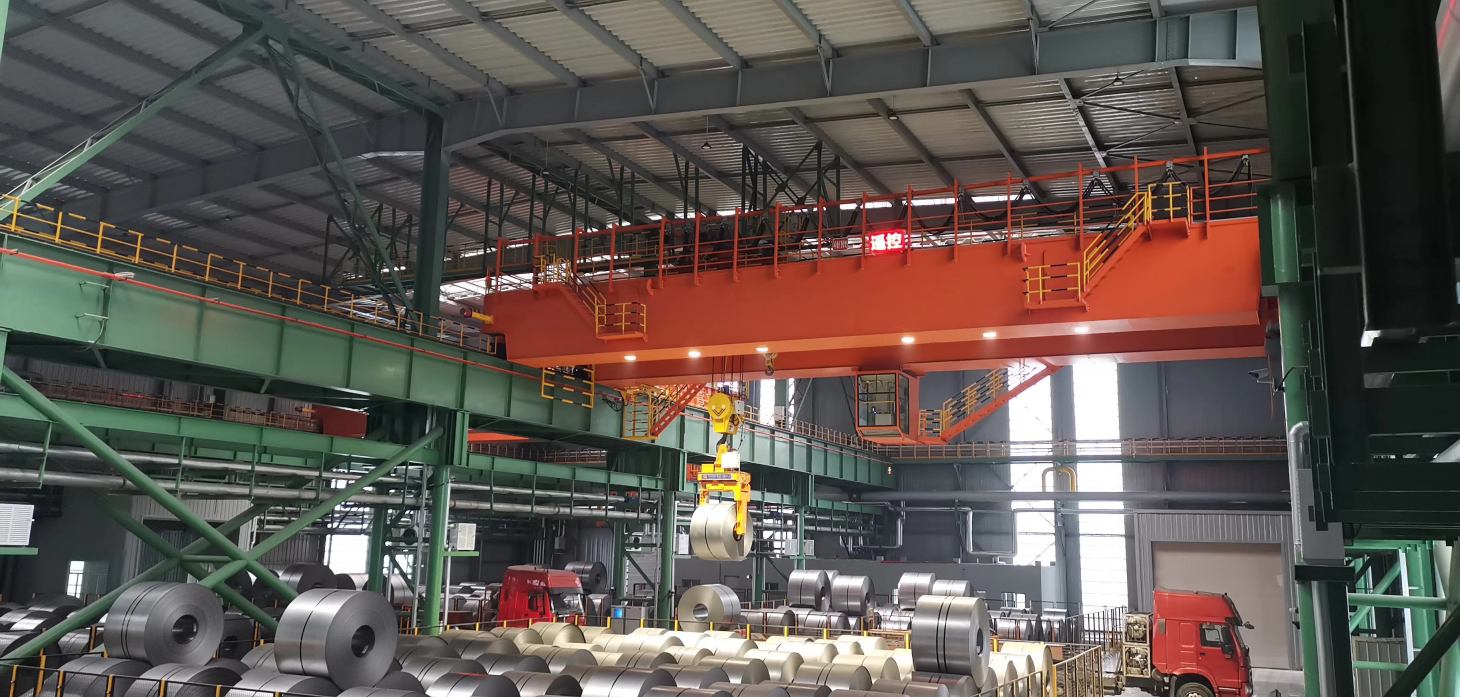
As industries continue to evolve, so too will the design and functionality of overhead cranes. Innovations in automation, machine learning, and Internet of Things (IoT) technologies promise to further refine the capabilities of these machines. Future models of 40 ton overhead cranes are expected to incorporate even smarter control systems, more efficient energy management solutions, and enhanced safety protocols—all while maintaining the dramatic, expansive views that capture the imagination.
The top running crane configuration, in particular, is poised to become even more prevalent as industries demand higher lifting capacities and more efficient spatial utilization. With continuous advancements in sensor integration and remote monitoring technologies, the modern top running crane will offer unparalleled performance and operational transparency.
Conclusion
The 40 ton overhead crane, especially when captured in wide, expansive views, is much more than just a heavy-lifting machine—it is a symbol of industrial progress. Its robust construction, advanced technological features, and versatile applications all converge to create a machine that is as awe-inspiring as it is functional. Whether seen through the lens of a wide-angle camera or experienced firsthand on a bustling industrial floor, this top running crane epitomizes the blend of raw power and sophisticated engineering that drives modern industry forward. As we continue to innovate and push the boundaries of material handling, the legacy of these remarkable machines will undoubtedly lift our perspectives to new heights.
About the Creator
Aicrane Group
Aicrane is a professional fabrication and trade integration enterprise in Overhead Crane, Gantry Crane, Rubber Tire Gantry Crane, Boat Lift, Steel Structure Workshop, Construction Winch, Marine Winch,etc.
Enjoyed the story? Support the Creator.
Subscribe for free to receive all their stories in your feed.
Comments