
Effective Stream and River Management: Balancing Ecology and Development
Way For Protecting Ecosystems While Supporting Development

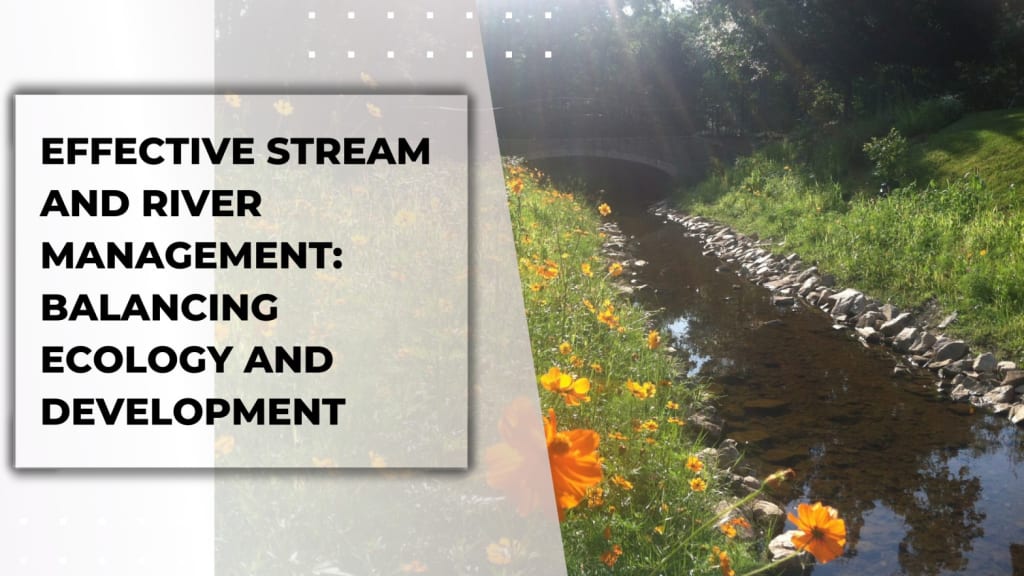
Streams and rivers are vital components of our natural environment, providing clean water, supporting biodiversity, and offering recreational opportunities. However, as human development expands, these waterways face increasing threats from pollution, erosion, and habitat destruction. This is where Stream Restoration Services play a crucial role, offering solutions to repair and revitalize damaged ecosystems while balancing the needs of development.
The Importance of Stream and River Management
Managing streams and rivers effectively is essential to ensure their health and functionality. Poorly managed waterways can lead to severe consequences, such as increased flooding, loss of wildlife habitats, and degraded water quality. Key practices in Stream and River Management include:
• Riparian Buffer Zones: Planting vegetation along stream banks to filter pollutants and reduce runoff.
• Sediment Control: Implementing measures to prevent excessive sediment from entering waterways.
• Habitat Restoration: Creating conditions that support fish, insects, and other aquatic life.
By implementing these practices, we can ensure that streams and rivers remain healthy and functional for both nature and communities.
The Role of Stream Restoration Services
When streams and rivers become degraded, restoration efforts are essential to repair and revitalize these ecosystems. Restoration focuses on improving water quality, enhancing biodiversity, and reducing erosion. Common techniques include:
• Bank Stabilization: Reinforcing stream banks with natural materials to prevent soil erosion.
• Re-meandering: Restoring the natural curves of a stream to slow water flow and reduce erosion.
• Vegetation Planting: Adding native plants to stabilize banks and provide habitat for wildlife.
These efforts not only restore the ecological balance of waterways but also provide long-term benefits for surrounding communities.
Stream Relocation in North Carolina: A Case Study
In North Carolina, where rapid development and extreme weather events have impacted many waterways, stream relocation has become a critical solution. This process involves moving a stream to a new location to accommodate infrastructure projects or to restore its natural flow. It requires careful planning and expertise to minimize ecological disruption and ensure long-term sustainability.
Companies like Wright Contracting specialize in stream restoration and have successfully completed numerous projects, including Stream Relocation North Carolina. Their work not only addresses immediate challenges but also contributes to the overall health of the region’s ecosystems.
Why Effective Management Matters
Effective stream and river management offers numerous benefits, including:
• Improved water quality through reduced pollution and sedimentation.
• Enhanced habitats for fish, birds, and other wildlife.
• Reduced risk of flooding by restoring natural water flow.
• Increased recreational opportunities like fishing, kayaking, and hiking.
By investing in restoration and management efforts, we can protect these valuable resources and ensure a sustainable future for our ecosystems.
FAQs
1. Why is stream and river management important?
Stream and river management is crucial to maintaining clean water, supporting biodiversity, and preventing issues like flooding, erosion, and habitat loss. Proper management ensures these waterways remain healthy for both ecosystems and communities.
2. What are common practices used in stream and river management?
Key practices include planting riparian buffer zones, implementing sediment control measures, and restoring aquatic habitats. These methods help reduce pollution, protect wildlife, and improve water quality.
3. What is stream restoration, and how does it help?
Stream restoration involves repairing damaged waterways by stabilizing banks, restoring natural curves (re-meandering), and planting native vegetation. These techniques improve water quality, enhance biodiversity, and reduce erosion.
4. What is stream relocation, and when is it necessary?
Stream relocation involves moving a stream to a new location, typically for infrastructure projects or to restore its natural flow. This process is carefully planned to minimize environmental impact and ensure long-term sustainability.
5. How do stream restoration services benefit communities?
Stream restoration services improve water quality, reduce flood risks, and create recreational opportunities like fishing and kayaking. They also help maintain the natural beauty and ecological balance of local environments.
Conclusion
Balancing ecological health with developmental needs is a complex but essential task. Effective stream and river management ensures that our waterways remain healthy and functional, while restoration services provide solutions to repair and revitalize damaged ecosystems. In regions like North Carolina, specialized solutions such as Stream Relocation North Carolina are making a significant impact.
About the Creator
Enjoyed the story? Support the Creator.
Subscribe for free to receive all their stories in your feed.
Comments
There are no comments for this story
Be the first to respond and start the conversation.