
Educational SaaS Platform Development
Discover how to create a custom edtech SaaS platform. Learn about potential challenges and hidden costs.


It is a familiar nightmare for many developers: your application runs smoothly with a small group of fifty users but begins to struggle significantly once that number climbs to five thousand. You are constantly balancing educational strategies, user retention, and accumulating technical issues, yet relying on temporary fixes often leads to inconsistent results—usually poor ones.
Consequently, the industry is shifting toward Software-as-a-Service (SaaS) models because the traditional approach is simply too draining. This transition not only stabilizes revenue streams, easing financial worries, but also leverages multi-tenant architecture to eliminate the need for creating distinct products for every partner. Onboarding new clients becomes a matter of minutes rather than months.
So, what will this guide cover? First, we will examine the internal mechanics of Learning Management Systems (LMS). We will identify the essential features modern users demand and discuss how to structure them efficiently to maintain performance.
Additionally, you will receive a comprehensive roadmap for building an educational SaaS platform. Finally, we will address the critical challenges that keep entrepreneurs awake: scaling infrastructure and generating revenue. We will explore how to expand sustainably without excessive costs and how to structure pricing tiers that appeal to customers while remaining profitable.
Defining Educational SaaS
An Educational SaaS platform is a cloud-based service that provides learning tools via the internet, typically accessed through a recurring subscription. Rather than purchasing a perpetual license, installing software on local servers, and dealing with eventual system failures, users simply subscribe. The provider manages all hosting responsibilities in the cloud, allowing users to access the platform instantly via login.
The distinction between a custom edtech SaaS solution and legacy LMS software hinges on three primary factors:
- Multi-tenancy: Traditional LMS solutions were often single-tenant, requiring a unique installation for each client. Managing ten clients meant maintaining ten separate servers and databases, creating a logistical burden. In contrast, SaaS platforms utilize a multi-tenant framework where a single software instance serves multiple customers. While customer data remains isolated, the underlying code is shared, drastically improving operational efficiency.
- Revenue Model: Legacy systems depended on large, one-time licensing fees. SaaS models rely on subscription billing, such as monthly or annual payments. This structure aligns the provider’s goals with customer satisfaction; if the service fails to deliver value, subscribers can cancel, incentivizing continuous quality improvement.
- Maintenance and Updates: Upgrading older systems was often a disruptive, costly, and infrequent process, sometimes occurring only annually. SaaS platforms enable continuous deployment. Fixes and improvements can be rolled out seamlessly, ensuring all users have access to the latest version immediately without downtime or manual intervention. This keeps the software secure and up-to-date with minimal friction.

Categories of Educational SaaS Solutions
The EdTech landscape is diverse, and the design of a SaaS platform varies significantly based on its target audience.
Institutional Learning Management Systems (LMS)
These are modernized, multi-tenant systems akin to Canvas or Blackboard, tailored specifically for academic institutions like schools and universities. The primary development focus here is on administrative structure: managing courses, tracking grades, monitoring attendance, and ensuring regulatory compliance. The multi-tenant nature allows school districts to deploy new instances rapidly. Crucially, the underlying infrastructure is built to handle massive traffic surges, preventing system crashes during peak periods such as the start of the academic year when student login volumes spike.
Corporate Learning and Development Platforms
This sector focuses on professional growth, with examples including Degreed and Cornerstone. Unlike academic settings, enterprise learning prioritizes skill acquisition, compliance mandates, and career progression over traditional grading. These systems are often deeply integrated with Human Resources software to track mandatory training, such as safety protocols or harassment prevention modules. Because failure to comply can result in legal liabilities, these platforms must prioritize reliability and maintain detailed, immutable audit trails.
Creator-Focused Course Marketplaces
Platforms like Teachable, Kajabi, and Udemy cater to the creator economy, serving individual experts and small businesses rather than large institutions. The core objective here is commercial: converting visitors into paying students. Consequently, the architecture emphasizes marketing utilities, seamless payment processing, and engagement metrics. Technical robustness is required to manage sudden traffic spikes when a popular instructor launches a new course, ensuring that high demand does not degrade the user experience.
Core Components
Regardless of the specific niche, certain foundational components are non-negotiable for any scalable SaaS LMS.
Multi-Tenant Infrastructure
As previously noted, this is the bedrock of the system. The database architecture must securely isolate data for each client while allowing efficient sharing of computational resources. Getting this balance wrong early on can lead to years of costly refactoring later.
Subscription Management Engine
Handling recurring revenue requires more than just processing credit card transactions. The system must manage complex billing scenarios, including plan upgrades, downgrades, prorated charges, failed payment retries, and churn handling. While integrating with providers like Stripe or Chargebee is standard, custom logic is still needed to handle edge cases, such as a school contract expiring in the middle of a term.
High-Performance Content Delivery
Education is media-intensive, relying on videos, documents, and interactive elements. To ensure global accessibility and speed, a Content Delivery Network (CDN) is essential. Latency kills engagement; if a video buffers, learners lose interest. Therefore, the system must automatically transcode media into various quality levels and store assets efficiently to guarantee smooth playback.
Real-Time Analytics
Data drives decision-making in education. Instructors need to identify struggling students, while administrators monitor completion rates. To provide these insights without impacting application performance, analytics should be processed via a separate data warehouse or pipeline. Running heavy queries on the live transactional database will inevitably cause bottlenecks and slow down the user experience.
Extensive API Connectivity
No educational platform operates in a vacuum. Seamless integration with external tools—such as Student Information Systems (SIS), HR portals, Zoom, and Slack—is critical. A robust API strategy, featuring webhooks for real-time events and RESTful or GraphQL endpoints for data exchange, is essential. If a platform cannot interoperate smoothly with existing workflows, it becomes a difficult sell to potential customers who value ecosystem connectivity.
Mastering these components requires diligent planning and execution. However, once these foundational elements are correctly implemented, the platform operates smoothly, allowing developers and founders to shift their focus to what truly matters: enhancing the learning experience.
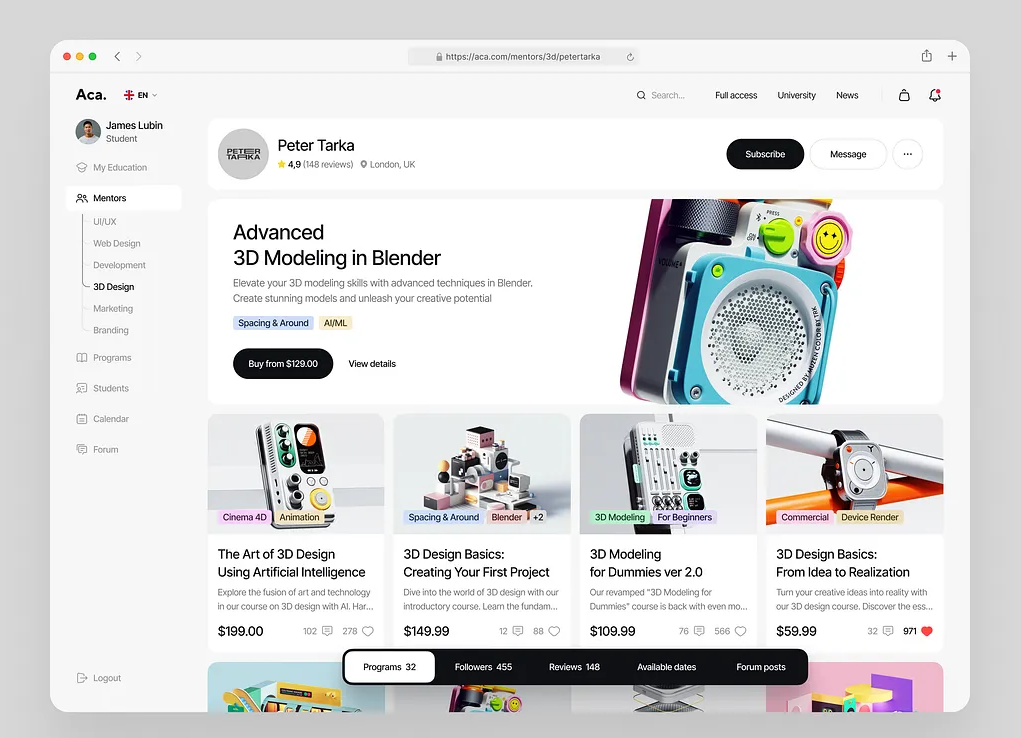
Essential Capabilities of Educational SaaS Solutions
Multi-Tenancy Architecture
This feature is the structural foundation of any scalable EdTech product. When serving diverse clients—such as multiple school districts or corporate entities—provisioning dedicated hardware for each is financially unsustainable and operationally complex. The modern standard involves a single software instance serving all customers simultaneously.
However, this approach introduces a critical challenge: strict data segregation. It is imperative that Client A’s sensitive student records remain completely invisible to Client B; any breach here carries severe legal consequences. The most effective strategy is logical isolation at the database level, where every data query is explicitly tagged with a unique tenant identifier.
While this concept appears straightforward, it is a common pitfor developers. Code that functions correctly in a single-user test environment may fail to enforce isolation in production, leading to data leaks. Furthermore, scalability is intertwined with tenancy. A traffic surge from one client must not degrade performance for others. Implementing resource throttling and intelligent load balancing is essential to ensure equitable service quality.
Subscription and Billing Infrastructure
Revenue management in SaaS is an ongoing process, not a one-time transaction. A robust billing engine is required to handle recurring payments seamlessly, but its responsibilities extend far beyond simple credit card charges.
The system must support dynamic plan management. For instance, if a school upgrades from a basic to a premium tier mid-year, the platform must calculate prorated costs automatically. Similarly, if a corporation adds new employees, the billing logic should adjust charges based on the remaining contract period rather than forcing a full-year payment. Manual invoicing for such adjustments is inefficient and prone to error.
When developing a SaaS LMS, automation is key. While integrating with providers like Stripe Billing or Recurly simplifies payment processing, your internal application logic must accurately reflect the nuances of complex enterprise contracts, which rarely follow simple linear models.
Content Management and Distribution
The primary purpose of these platforms is education, so the mechanism for delivering material is paramount. A powerful Content Management System (CMS) is required, allowing instructors to easily upload videos, documents, quizzes, and interactive modules. User-friendly interfaces, such as drag-and-drop functionality, are now expected standards; cumbersome upload processes will frustrate educators and hinder adoption.
Delivery efficiency is just as critical as storage. Video files are resource-intensive, and hosting them directly on application servers leads to performance bottlenecks. A Content Delivery Network (CDN) is necessary to ensure rapid access globally, regardless of whether the user is in New York or Nairobi. Additionally, adaptive streaming is crucial. Since internet connectivity varies, the system should automatically transcode videos into multiple resolutions to accommodate different bandwidths.
Assessment tools within the CMS must also be versatile. Beyond standard multiple-choice questions, the platform should support open-ended responses, peer reviews, and code submissions for technical courses, handling these diverse formats without compromising stability.
Analytics and Reporting
Data collection is meaningless without actionable insights. Educators and administrators do not need raw data logs; they require clear, interpretable metrics. Key questions include: Which students are falling behind? Who is excelling? Which courses suffer from high dropout rates?
Effective learning analytics dashboards should highlight trends rather than overwhelming users with noise. While real-time tracking is beneficial, historical data often provides more strategic value. For example can a manager identify a 15% drop in completion rates over the previous month? Can a teacher spot students who have been inactive for a week?
Proactive alerts based on this data can intervene before a student fails. However, avoid information overload by displaying only relevant metrics. Furthermore, ensuring that reports are exportable to formats like Excel is essential, as administrative workflows often rely on offline data analysis.
AI-Driven Personalization
When implemented thoughtfully, artificial intelligence can significantly enhance the educational experience, not by replacing instructors, but by augmenting their capabilities.
Recommendation engines are a practical starting point. If a student completes a module on Python fundamentals, the system should intelligently suggest the next logical step, such as intermediate programming or related topics like data structures. This reduces friction and keeps learners engaged by eliminating the search for subsequent content.
Adaptive learning represents the pinnacle of personalization. The platform dynamically adjusts difficulty based on user performance. High scorers might bypass remedial content, while those struggling receive additional practice problems or alternative explanations.
Building effective AI-driven personalization requires robust data models and rigorous testing. When executed well, it creates a sense of individual attention, making students feel the course is tailored specifically to their needs. This emotional connection is a powerful driver of retention. However, avoid using AI as a mere marketing buzzword; ensure every algorithmic feature delivers tangible educational value.

The Roadmap to Building an Educational SaaS Platform
Developing an EdTech SaaS solution is a long-term endeavor, not a sprint. Attempting to rush the process often leads to burnout before achieving product-market fit. A successful development lifecycle typically follows these structured phases:
1. Strategic Planning and Business Modeling
Before writing any code, you must clearly define your target audience. Are you serving K-12 institutions, higher education, or corporate training departments? Each segment has distinct requirements, budget constraints, and procurement processes.
Simultaneously, you must establish a viable pricing strategy. Will you charge per user, per institution, or via a flat fee? If your model relies on per-student billing, the system must dynamically adjust to fluctuating enrollment numbers, as schools frequently add or remove students. Additionally, define your platform’s core identity early on—whether it is a closed LMS, an open marketplace, or a hybrid. Trying to satisfy every possible use case usually results in a diluted product that serves no one effectively.
2. Role-Based UX/UI Design
In EdTech, user experience is critical, not optional. Complex interfaces deter teachers, while boring designs disengage students. Therefore, design distinct dashboards tailored to specific user roles:
- Administrators: Need high-level views for billing, user management, and compliance reporting.
- Instructors: Require streamlined tools for content creation and grading. Friction, such as navigating multiple menus to upload a file, significantly hinders productivity.
- Learners: Benefit from clean, distraction-free environments that facilitate focus.
The goal is to minimize friction at every step. Every unnecessary click increases the likelihood of user abandonment. Intuitive, pleasant design directly correlates with higher retention rates.
3. Selecting the Technology Stack
While developers often have personal preferences, SaaS projects require technologies that balance stability with development speed.
- Backend: Python (with FastAPI) is excellent for data-intensive, asynchronous tasks. Node.js is ideal for teams leveraging full-stack JavaScript. Ruby on Rails, though older, remains highly efficient for rapid MVP development.
- Frontend: React offers a robust ecosystem and community support, while Vue provides a lightweight, flexible alternative.
- Database: PostgreSQL is a reliable standard, handling complex queries and offering JSON support for flexibility. MongoDB can be useful for unstructured data, such as logs or dynamic course content, but requires careful transaction management.
- Infrastructure: Docker is essential for containerization. For scalable architectures, Kubernetes should be considered early, despite its complexity, to manage containers efficiently.
4. Architecting Multi-Tenancy
Designing the multi-tenant structure requires careful decision-making regarding data isolation. You must choose between:
- Database-per-tenant: Highest security but highest maintenance overhead.
- Schema per tenant: balanced approach.
- Shared database with Tenant ID: Easiest to implement but requires rigorous code discipline to prevent data leaks.
Consistency is key; mixing strategies leads to technical debt. Furthermore, implement strict Role-Based Access Control (RBAC) to ensure users only access authorized endpoints. Always design with scalability in mind, ensuring the architecture can support growth from thousands to millions of tenants.
5. API Strategy and Integrations
Your platform must integrate seamlessly with external systems. Essential connections include payment gateways (e.g., Stripe), CRM tools (e.g., Salesforce, HubSpot), and analytics platforms (e.g., Mixpanel, Segment).
Build a robust, well-documented API using REST or GraphQL from day one. If you intend to support third-party developers or partners, treat your API as a primary product feature. Utilize webhooks for real-time data synchronization rather than relying on inefficient polling methods.
6. Rigorous Testing and Quality Assurance
Never compromise on testing, particularly for billing logic. Errors here can lead to significant financial loss and reputational damage. Automate tests for all payment scenarios, including upgrades, downgrades, cancellations, and failed transactions.
Conduct load testing to simulate high traffic volumes, identifying performance bottlenecks before launch. Additionally, perform manual user acceptance testing by walking through workflows as each user role (admin, teacher, student) to ensure intuitive navigation and identify potential dead ends.
7. Deployment and Continuous Scaling
Launch is merely the starting point. Implement CI/CD pipelines to automate deployments, reducing human error and allowing teams to focus on critical improvements.
Scaling is an ongoing process requiring constant monitoring of metrics such as CPU usage, memory, and database connections. Set up proactive alerts to address issues before they impact users. Prefer horizontal scaling (adding more instances) over vertical scaling (upgrading server size) for greater resilience. Finally, maintain a feedback loop with users to iteratively enhance the product based on real-world usage.
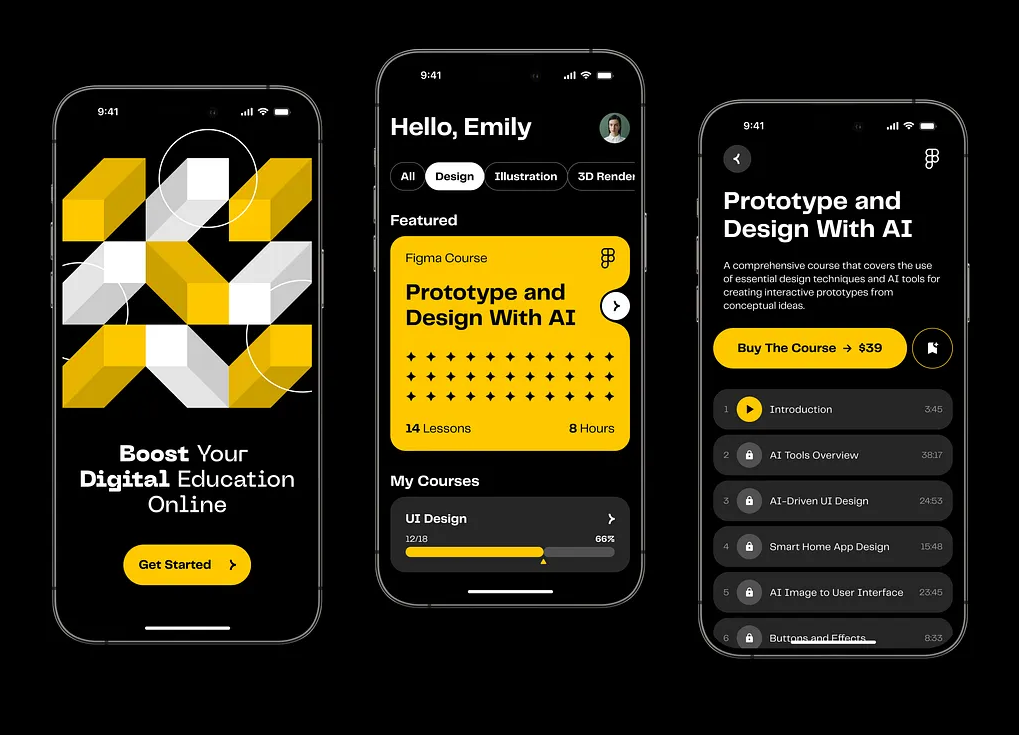
Navigating the Pitfalls of EdTech SaaS Development
If creating educational software were straightforward, the market would be saturated with successful ventures. However, many promising startups falter when they encounter unforeseen obstacles. Typically, these challenges fall into four critical categories.
1. Architecting Scalable Multi-Tenant Infrastructure
The technical foundation of your platform is paramount. While a unified database may suffice during early stages, securing a major contract—such as a large school district—can expose immediate weaknesses. Imagine 50,000 students logging in simultaneously on a Monday morning; without a robust architecture, the system will likely collapse. Beyond handling volume, ensuring strict data isolation is crucial. Tenant A’s information must never be accessible to Tenant B, a requirement that demands rigorous security protocols.
True scalability often involves more than simply adding servers. It requires sophisticated strategies like database sharding, efficient caching, and intelligent load balancing. Neglecting these considerations early on leads to painful, time-consuming refactoring later, allowing competitors to outpace you. Multi-tenancy must be a core design principle from day one, not an retrospective addition.
2. Complexities of Subscription Billing
Managing recurring revenue is deceptively complex. While payment processors like Stripe, Chargebee, or Recurly handle the transactional mechanics, the underlying business logic remains your responsibility.
You must account for various scenarios: How do you handle prorated charges when a school adds 500 students mid-cycle? What is the protocol for downgrades or failed payments just before a semester begins? Immediate account lockouts can disrupt learning, so implementing grace periods, dunning management, and clear communication channels is essential.
Furthermore, enterprise contracts often deviate from standard monthly subscriptions, featuring custom terms, annual invoicing, and usage caps. Your billing engine must be flexible enough to automate these nuances. If your finance team relies on manual spreadsheets to calculate invoices, the system is flawed. Automation is non-negotiable for operational efficiency.
3. Sustaining Performance During Expansion
In education, latency directly impacts engagement. A five-second video load time or a timed-out quiz submission can lead to student disengagement and parental complaints. As your user base grows, database bloat and increased query complexity can degrade performance.
Proactive monitoring is essential to identify slow endpoints before users notice. Strategies such as aggressive caching, utilizing Content Delivery Networks (CDNs) for static assets, and optimizing database indexes are critical. However, there is often a tension between rapid feature development and performance optimization. Implementing caching layers or sharding databases takes time. Ignoring this balance leads to accumulating technical debt, eventually halting innovation as resources are diverted to fixing legacy issues.
Additionally, mobile performance is increasingly vital. With hundreds of millions of users accessing educational content via smartphones and nearly half of organizations incorporating mobile devices into training, adopting a mobile-first approach is no longer optional.
4. Driving User Retention and Engagement
While not strictly technical, retention is arguably the most difficult challenge. A platform can be technically flawless yet fail if it does not resonate with users. EdTech suffers from high churn rates; schools may abandon tools due to steep learning curves, and students often lose interest after the initial excitement fades.
Retention hinges on genuine engagement. Is the interface intuitive? Does it streamline workflows? Does it deliver immediate value? Establishing feedback loops through surveys, usage analytics, and direct communication helps identify why users leave—whether due to content quality, UX friction, or pricing.
Moreover, fostering a sense of community can significantly boost retention. Platforms that facilitate interaction among students and educators create network effects that encourage longevity. However, building this community is a cultural endeavor, not a quick technical fix. It requires sustained effort to cultivate an environment where users feel connected and supported.
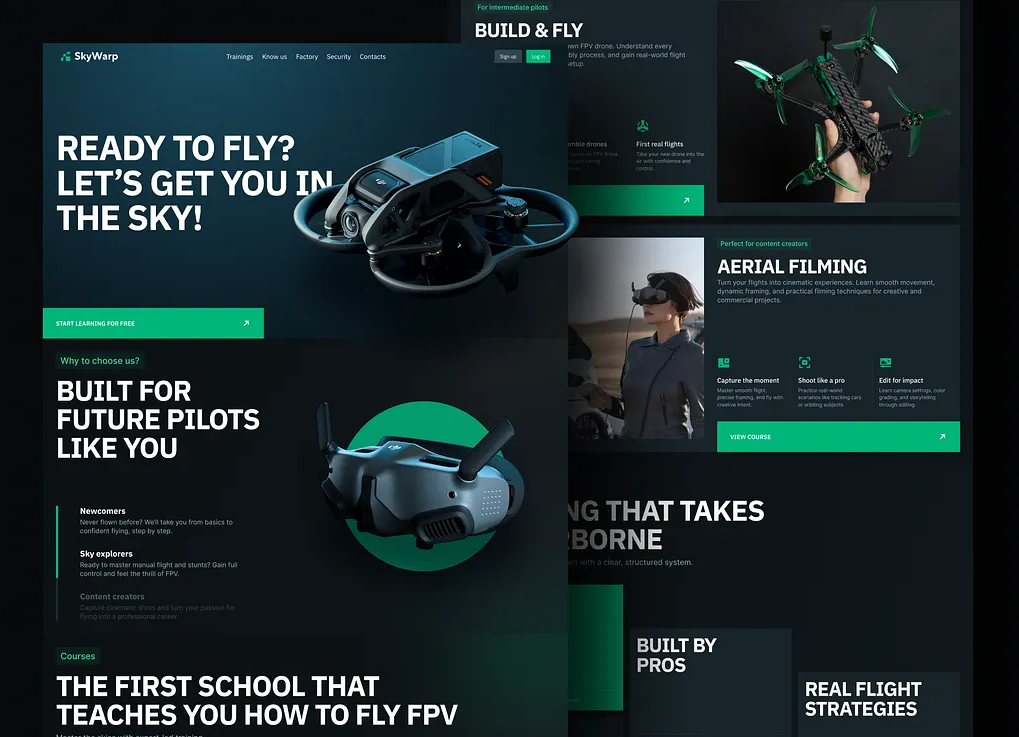
The Strategic Advantage of Partnering with an EdTech SaaS Agency
While it is technically possible to build an educational platform in-house by assembling a team and managing development internally, the complexity of creating a scalable SaaS product far exceeds that of a standard website. Engaging a specialized development agency offers distinct strategic benefits that can determine the success of your venture.
1. Leveraging Specialized Expertise
The primary advantage of working with an experienced agency is their deep domain knowledge. These teams have navigated the common pitfalls of EdTech development before, allowing you to bypass the steep learning curve. Challenges such as implementing prorated billing logic or ensuring strict data isolation in multi-tenant environments are problems they have already solved for other clients. This transferred expertise accelerates development, reduces costs, and minimizes the risk of critical architectural errors.
2. Building for Scale from Day One
Startups often prioritize flashy features like AI or gamification, but these are irrelevant if the underlying infrastructure is unstable. A specialized agency prioritizes foundational robustness. They architect systems designed to handle traffic spikes and facilitate rapid onboarding of new institutional clients. By implementing auto-scaling infrastructure and modular code structures early on, they ensure your platform can grow from hundreds to millions of users without requiring a complete rewrite. This future-proofing allows you to focus on growth rather than technical debt.
3. Accelerating Time-to-Market
In the education sector, timing is critical. Academic cycles typically begin in August, while corporate fiscal years often start in January. Missing these windows can delay revenue generation by an entire year, significantly increasing cash burn. Experienced agencies utilize established workflows, reusable code libraries, and proven methodologies to expedite development. They understand how to define and execute a Minimum Viable Product (MVP) that delivers immediate value, ensuring you launch in time to capture market opportunities.
4. Prioritizing User Experience (UX)
Many technically proficient teams fail because they neglect usability, creating powerful backends with unintuitive frontends. In EdTech, user experience is directly linked to retention. If teachers find the interface cumbersome, they will reject the tool; if students find it engagingly poor, they will disengage. Agencies with a focus on UX-driven development ensure that the platform is not only functional but also intuitive and enjoyable, fostering higher adoption rates and long-term user loyalty.

Conclusion: The Core Pillars of EdTech Success
We have explored the multifaceted landscape of educational SaaS development. If we distill this complex process down to its most critical elements, three priorities emerge as non-negotiable.
1. Uncompromising Scalability
Even the most exceptional curriculum is useless if the platform cannot deliver it reliably. System stability under load is paramount; a crash during peak usage—such as when dozens of students log in simultaneously—can irreparably damage your reputation. Therefore, architectural decisions must prioritize growth and resilience from the very first line of code.
2. User Retention Through Experience
Customer acquisition is costly, but retention drives profitability. Long-term success depends on whether teachers and students genuinely enjoy using your product. If the interface creates friction rather than facilitating learning, users will churn. Prioritize intuitive UX and tangible value, ensuring that your platform simplifies workflows rather than complicating them.
3. Robust Monetization Strategy
Remember that you are building a sustainable business. Your billing infrastructure must be flexible, reliable, and seamless to the user. Since recurring revenue is the engine of any SaaS model, your payment systems must handle complex scenarios—from prorated upgrades to enterprise contracts—without manual intervention or error.
The Path Forward
Developing an educational SaaS platform is undeniably challenging, but the impact is profound. You are creating tools that empower individuals to learn, develop skills, and achieve their goals. This mission demands precision and care.
You do not need to navigate this journey in isolation. Partnering with a team that possesses deep industry insight and technical expertise can help you avoid common pitfalls and accelerate your path to success. By collaborating with experienced developers, you can build a solution that is not only scalable and durable but also truly transformative for its users. Let’s create a platform that stands the test of time and makes a lasting difference in education.
About the Creator
Shakuro
We are a web and mobile design and development agency. Making websites and apps, creating brand identities, and launching startups.
Enjoyed the story? Support the Creator.
Subscribe for free to receive all their stories in your feed.
Comments
There are no comments for this story
Be the first to respond and start the conversation.