
DMX512 LED Strip: How Digital Lighting Is Redefining Modern Spaces
Where precision control meets creative expression

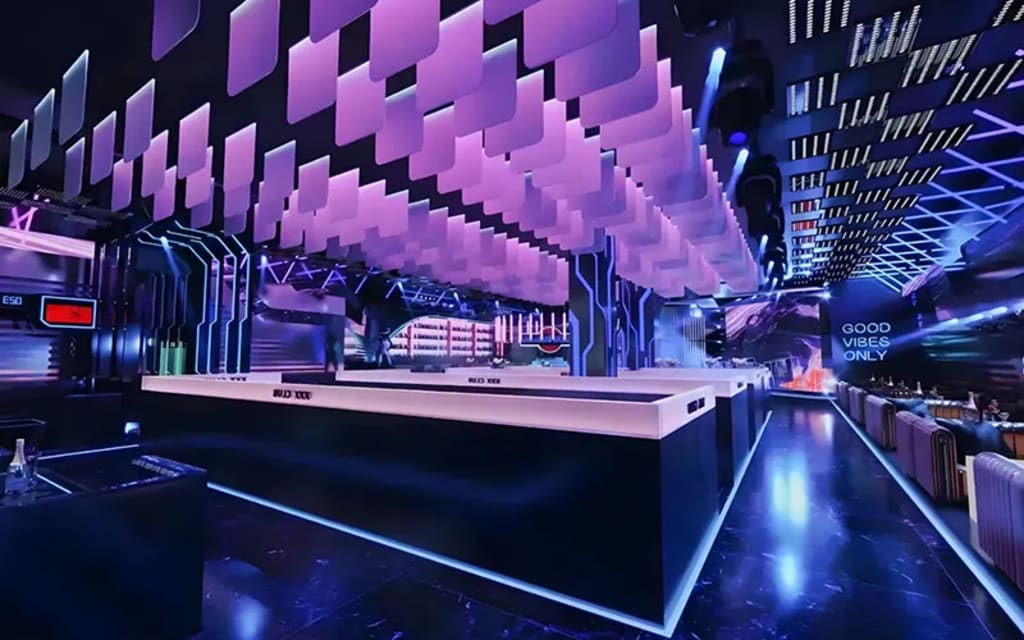
Lighting is no longer just about visibility—it has become a medium for storytelling, atmosphere, and design. From live concerts to architectural installations, modern lighting solutions are expected to be dynamic and responsive. Within this evolution, the DMX512 LED strip stands out as a powerful tool that merges technology with creativity.
What Is a DMX512 LED Strip?
A DMX512 LED strip is a type of lighting system that uses the DMX512 protocol to control LEDs individually or in groups. Originally developed for stage lighting and theatrical productions, DMX512 has become a standard in professional lighting control.
Unlike basic LED strips, which often allow only limited color changes or preset modes, DMX-controlled strips offer precise, programmable control. Each section—or even each individual LED—can be addressed separately, allowing for complex lighting effects such as flowing gradients, animated patterns, and synchronized sequences.
The Evolution of LED Strip Lighting
Traditional LED strips, commonly referred to as LED strip light, gained popularity for their flexibility, energy efficiency, and ease of installation. They quickly became a staple in both residential and commercial lighting.
However, their functionality was somewhat limited when it came to advanced control. The introduction of DMX512 technology transformed these strips into intelligent lighting systems. Instead of simply turning on or changing colors, they can now respond to digital signals, making them suitable for more complex and interactive environments.
How DMX512 Control Works
DMX512 operates by sending digital signals from a controller to connected lighting devices. Each device is assigned a unique address, allowing it to receive specific instructions within a shared network.
In a DMX512 LED strip setup, multiple channels are used to control different aspects such as brightness, color, or movement effects. This enables designers to create detailed lighting sequences with high precision. For example, a building façade can be programmed to display a moving wave of color, or a stage setup can synchronize lighting with music beats.
Real-World Applications
The DMX LED light strip is widely used across various industries. In entertainment, it plays a key role in concerts, theaters, and nightclubs, where lighting must adapt dynamically to sound and performance.
In architecture, these strips are used to highlight structural features, create mood lighting, or transform spaces entirely. They can be integrated into ceilings, walls, staircases, and even outdoor landscapes to produce visually engaging environments.
Retail spaces also benefit from DMX lighting. Carefully programmed light sequences can draw attention to products, enhance branding, and influence customer experience without being overtly intrusive.
Advantages and Challenges
One of the main strengths of DMX512 LED strips is their level of control. Designers can experiment with light in ways that were previously difficult or impossible. Additionally, they retain all the core benefits of LED technology: low energy consumption, long lifespan, and minimal heat output.
However, this advanced functionality comes with added complexity. Setting up a DMX system requires some technical knowledge, including addressing, wiring, and programming. For beginners, the learning curve can be steep. Initial costs may also be higher compared to simpler lighting solutions.
Lighting as a Visual Language
With the integration of DMX512, lighting has evolved into a form of visual communication. It can guide attention, evoke emotion, and enhance spatial perception. Instead of being static, light becomes interactive and adaptable.
As smart technologies continue to develop, DMX-controlled lighting is likely to integrate further with automation systems, sensors, and even AI-driven controls. This makes it a forward-looking solution for both creative professionals and technical designers.
Conclusion
The DMX512 LED strip represents a significant advancement in lighting technology. By combining precision control with creative flexibility, it enables users to go beyond basic illumination and craft immersive visual experiences. While the technology itself is widely discussed, its development and availability are closely tied to the capabilities of each LED strip manufacturer, which plays a crucial role in shaping quality, durability, and performance standards.
While it may require more effort to install and configure, the results can be transformative. In an era where design and technology increasingly overlap, DMX512 lighting systems—supported by innovation at the level of every LED strip manufacturer—offer a compelling glimpse into the future of illuminated spaces.
About the Creator
Enjoyed the story? Support the Creator.
Subscribe for free to receive all their stories in your feed.
Comments
There are no comments for this story
Be the first to respond and start the conversation.