
Disconnected: India Removes Jack Dorsey’s Bitchat From App Stores
Decentralized Offline Messaging App Pulled Under Section 69A Critics Say Order Lacks Transparency Tool Gained Traction During Internet Shutdowns and Protests

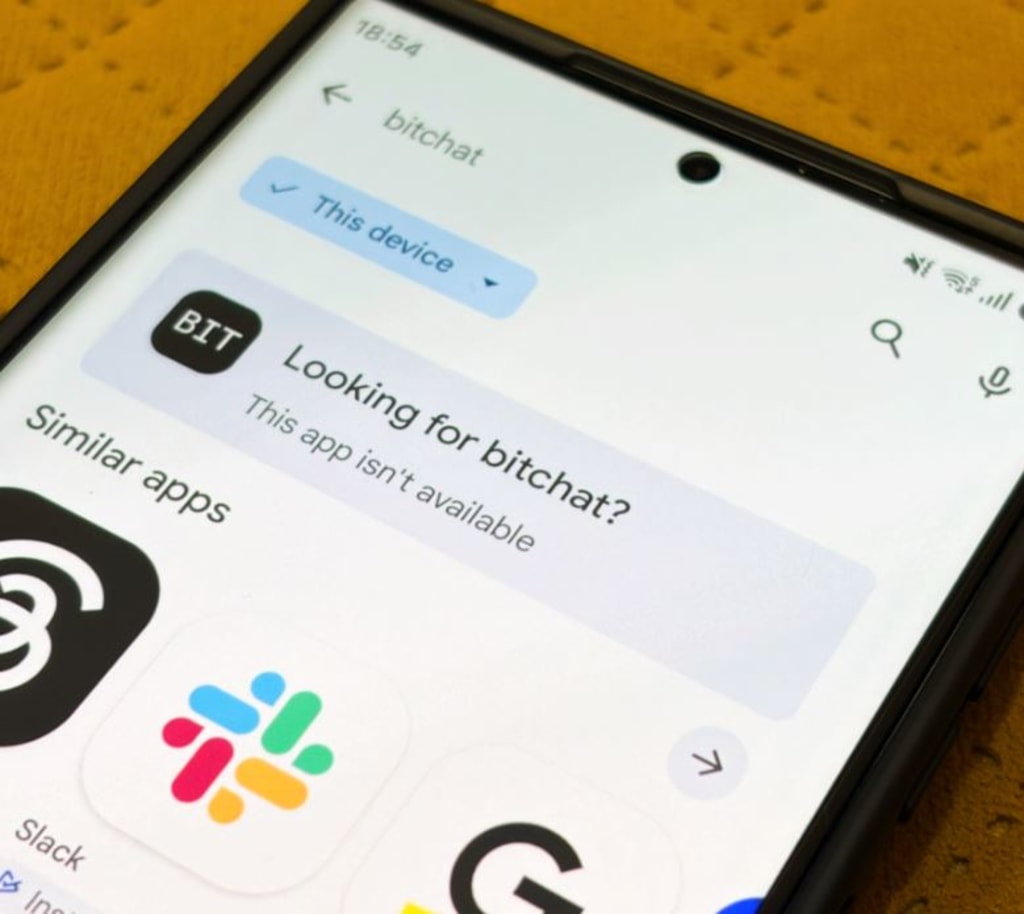
It began as a quiet experiment in peer‑to‑peer communication, built by Jack Dorsey to work beyond the reach of servers and censors. It has become the latest flashpoint in a growing global struggle over who controls the digital space and what happens when technology is designed to keep people connected even when authorities pull the plug. On October 3, 2026, Bitchat, the decentralized Bluetooth messaging app, was removed from Apple’s App Store and Google Play throughout India, following a government directive whose full text has never been made public.
The Order: What We Know and What We Don’t
The confirmation came directly from Dorsey, founder of Block and co‑founder of X (formerly Twitter), in a post shared on his account. He stated that Apple had been officially instructed to remove Bitchat from its Indian App Store listing under Section 69A of the Information Technology Act, 2000, the sweeping legal provision that empowers the Ministry of Electronics and Information Technology to order the blocking of websites, apps, and digital content in the interest of national sovereignty, public order, or preventing incitement to violence. The notice also blocks Bitchat through Apple’s TestFlight beta programme, closing off even pre‑release avenues of access within the country. Apple has confirmed the app remains fully available in all other regions.
When independent checks were conducted, Bitchat was also found removed from Google Play in India, and its official website became unreachable across major domestic internet service providers, suggesting coordinated pressure extending beyond Apple alone. Google, the Ministry of Electronics and Information Technology, and individual internet providers have all declined to comment or have not responded to inquiries. Most significantly, the actual order the legal basis, the specific concerns, and the evidence cited has not been published. Neither the government nor the platforms have released its wording, leaving users, developers, and the public to guess exactly what rule was broken.
A Pattern of Pressure, Escalated
This is not the first time Bitchat has drawn official attention. In late July 2026, GitHub was ordered to remove the project’s open‑source code repositories from its servers in India. That earlier demand invoked a different legal provision Section 79, which governs the liability of internet intermediaries and laid the groundwork for what has now followed. At the time, the government stated its objection in principle: Bitchat’s architecture makes traditional surveillance and interception technically difficult or impossible. Because messages pass directly between nearby devices via Bluetooth mesh networks rather than through central servers, there is no single point where authorities can tap, log, or request data. Because it requires no cellular or internet connection, it continues functioning precisely when those channels are cut, a feature that has made it indispensable during shutdowns and a target in the eyes of those who see control over communication as essential to maintaining order.
The Internet Freedom Foundation, New Delhi’s leading digital rights organisation, has called the latest removal unconstitutional. In a public statement, the group argued that Section 69A was never intended to ban an entire tool it was designed to remove specific, unlawful items of information. By applying it to Bitchat as a whole, the government is stretching the law beyond its intended purpose. Equally troubling is the secrecy: “Neither the blocking order nor the allegedly illegal content cited as the basis for the action has been made public,” the Foundation noted. Without transparency, there can be no accountability and no way to know whether the action is truly about public safety or about silencing a way of communicating that cannot be controlled.
From Obscurity to Essential: How Protests Changed Everything
Bitchat was launched in July 2025, coded by Dorsey himself over the course of a single weekend. It was intentionally minimal: no login, no account creation, no central log. Messages travel from device to device within roughly 100‑metre Bluetooth range, hopping from phone to phone until they reach their destination. For its first year, it remained a niche curiosity, the kind of tool discussed among privacy advocates and tech enthusiasts, but largely unknown to the broader public.
That changed dramatically in July 2026. As widespread youth‑led protests erupted across India over proposed changes to voter rolls that critics say favour the ruling party, authorities responded by suspending internet and mobile data services in affected areas. When the broader digital infrastructure went dark, Bitchat lit up. Between July 17 and July 23 alone, India accounted for 85% of Bitchat’s global downloads, up from just 1% in the preceding month. Alongside similar tools like Briar, it became the lifeline protesters used to coordinate, share information, and stay connected when every other channel had been severed.
The surge in usage was not coincidental. It was a direct response to being cut off and the government’s subsequent actions suggest it noticed exactly what was happening. Now, as fresh protests have broken out in early October with police detaining demonstrators and suspending internet services again around Delhi’s Jantar Mantar the removal of Bitchat appears less like a one‑off enforcement action and more like a pre‑emptive strike against a tool people turn to when they have nowhere else to go.
The Future: What Remains, What Changes
For now, Bitchat continues to function for those who already have it installed, and the code remains available outside India, meaning determined users may still find ways to access it. But the removal from major app stores drastically lowers visibility and raises the barrier to entry for anyone who does not already know where to look. It also sends a chilling message to developers everywhere: build something that bypasses control, and you may find yourself blocked without explanation.
The deeper question this moment raises is one that will define the next decade of digital rights: what is the relationship between connectivity and democracy? When authorities can silence entire communities by flipping a switch, tools like Bitchat are not just about privacy; they are about preserving the ability to speak at all. Critics argue that banning such tools does not make societies safer; it simply makes them less informed, less connected, and less able to hold power to account. Supporters of the restrictions counter that unregulated, untraceable communication undermines law enforcement and public order.
Whatever one’s perspective, the precedent is clear: technology that empowers individuals over institutions will face increasing pressure. And as the events in India demonstrate, the battle over who gets to decide what stays connected and what gets cut off is only just beginning.
About the Creator
Mark Lim
Hi I am mark an automotive student and a car, tech and food enthusiast ! Im gonna try and post daily & hope you enjoy what I write and do share my page with people you know. I would gladly appreciate it! Cheers
Enjoyed the story? Support the Creator.
Subscribe for free to receive all their stories in your feed.
Comments
There are no comments for this story
Be the first to respond and start the conversation.