
Digital Hub Reborn: John Ternus Doubles Down on the iPhone as the AI Era’s Centerpiece
In his debut keynote, Apple’s new CEO rejects the narrative of the smartphone’s decline, positioning the iPhone not as a legacy device but as the essential "intelligent personal hub" for an AI-driven future, echoing Steve Jobs’ pivotal 2001 strategy.

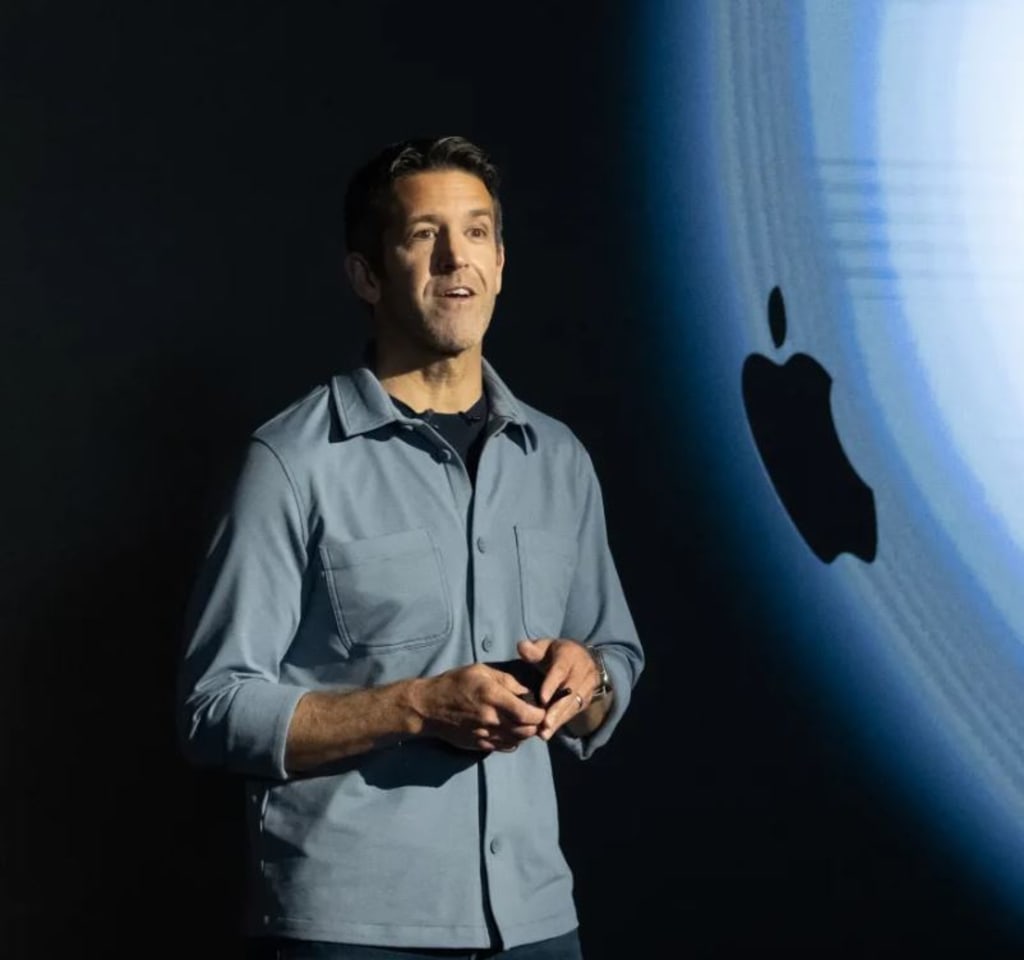
Apple CEO John Ternus wants you to know that the iPhone isn’t going anywhere. In a tech industry obsessed with the "next big thing," from augmented reality glasses to standalone AI pins, Ternus threw his weight behind the venerable device on Wednesday during his first keynote as CEO, placing it firmly at the center of Apple’s product strategy for the AI era. “There’s no product in the world better designed to be your intelligent personal hub than iPhone,” he said. This declaration is more than just marketing rhetoric; it is a strategic anchor. It signals that Apple will not chase the fragmented trends of wearable AI but will instead deepen the integration of intelligence into the devices billions already carry in their pockets.
This contrasts sharply with the approach taken by former CEO Tim Cook, who tried time and again to convince Wall Street that Apple was more than just the iPhone. Under Cook, Apple diversified its revenue streams through services, wearables, and the iPad, often framing the iPhone as one pillar of a broader ecosystem. Ternus’ pitch is also a rebuttal to pundits who have recently cast doubt on the iPhone. “The smartphone’s days are numbered,” said one headline. “The Tim Cook era is coming to a close with an existential challenge for Apple: figuring out what comes after the iPhone,” said another article. These narratives suggested that the smartphone had reached peak saturation and that innovation had stalled. Ternus argues the opposite: that the smartphone is merely entering a new phase of evolution, driven by artificial intelligence.
But it’s not just about the hardware. Ternus has put the iPhone at the center of its “intelligent personal assistant” strategy, a vision that could define the company for years to come. Steve Jobs did something similar in 2001 with the Mac, less than 10 months before he announced the iPod. At the time, many observers thought the PC’s days were numbered, displaced by the rise of specialized digital devices like camcorders and MP3 players. At a Macworld New York keynote, Jobs called out bearish quotes from industry wonks like Walt Mossberg and the leaders of Compaq and Gateway. “This is what everyone else is telling us. That our PC is waning, if not the hole being dug,” Jobs said at the time, pointing at a tombstone for the “Beloved PC” on the screen behind him. “We don’t think the PC is dying at all. We don’t think the PC is moving away from the center at all. We think it’s evolving, just like it has since it was invented.”
Jobs predicted that the PC was on the threshold of entering its “third great age,” serving as a digital hub that connected disparate devices and added value to them. Later that year, Jobs pulled the iPod out of his pocket, a device seemingly developed to answer the question, “Why do you still need a PC?” The device turned out to be an enormous hit, driving Apple’s profits quarter after quarter and ultimately helping lead to the development of the iPhone. Today, with the iPhone on the cusp of its 20th anniversary, Ternus is facing a version of the same question Jobs took on in 2001. We don’t know if Ternus is quietly sitting on an iPod-like product, one that will secure the iPhone’s position as Apple’s hub for years to come. But he is firmly rebutting the idea that the iPhone is past its prime.
“If you were designing the ideal version of this hub from scratch, how would you do it?” Ternus asked before listing the ingredients: a powerful processor, high-resolution cameras, persistent networking, and on-device AI. These are not just features; they are the foundational elements of an intelligent agent. The A20 Pro chip provides the computational muscle to run large language models locally. The cameras and microphones serve as sensory inputs for contextual awareness. The persistent network connection ensures access to cloud-based intelligence when needed. And the battery life ensures that this hub is always available.
It helps that the iPhone is one of the most powerful personal computing devices around, giving it an edge in the compute-hungry AI era. Its portability and adaptability make it, for many people, the only computing device they need. Even among those who own laptops and iPads, the iPhone is often the one device they can’t live without. Plenty of people leave home without their laptops. Almost no one leaves without their phones. This ubiquity creates a unique data advantage. The iPhone knows where you are, who you talk to, what you buy, and how you move. In the age of AI, context is king, and the iPhone is the ultimate context engine.
That combination of power and portability has given Apple a privileged position in the AI world. Other companies have attempted to unseat the iPhone with all manner of wearable devices, but none have succeeded. The Humane Pin, the Rabbit R1, and various smart glasses have struggled to offer enough utility to justify carrying a separate device. They lack the screen real estate for complex interactions, the battery life for all-day use, and the ecosystem integration for seamless productivity. By contrast, the iPhone is already embedded in every aspect of modern life.
Instead of sidelining the iPhone in favor of the next flashy thing, Ternus is leaning into it instead. In a way, he’s bringing Apple around to what the rest of us already know: The iPhone is pretty great, and maybe we don’t need to replace it with something else. Yet. This strategy reduces risk for Apple. It doesn’t require convincing consumers to adopt a new form factor or learn a new interface. It simply requires making the device they already love smarter, more helpful, and more intuitive.
As Apple Intelligence rolls out with iOS 27, the iPhone will transition from a tool we use to a partner we rely on. It will anticipate our needs, manage our schedules, and protect our privacy. It will be the lens through which we interact with the digital world. And for John Ternus, that is not a limitation. It is the ultimate opportunity. The iPhone is not dying. It is just getting started.
About the Creator
Mark Lim
Hi I am mark an automotive student and a car, tech and food enthusiast ! Im gonna try and post daily & hope you enjoy what I write and do share my page with people you know. I would gladly appreciate it! Cheers
Enjoyed the story? Support the Creator.
Subscribe for free to receive all their stories in your feed.
Comments
There are no comments for this story
Be the first to respond and start the conversation.